ABOUT THE HEROS PROJECT
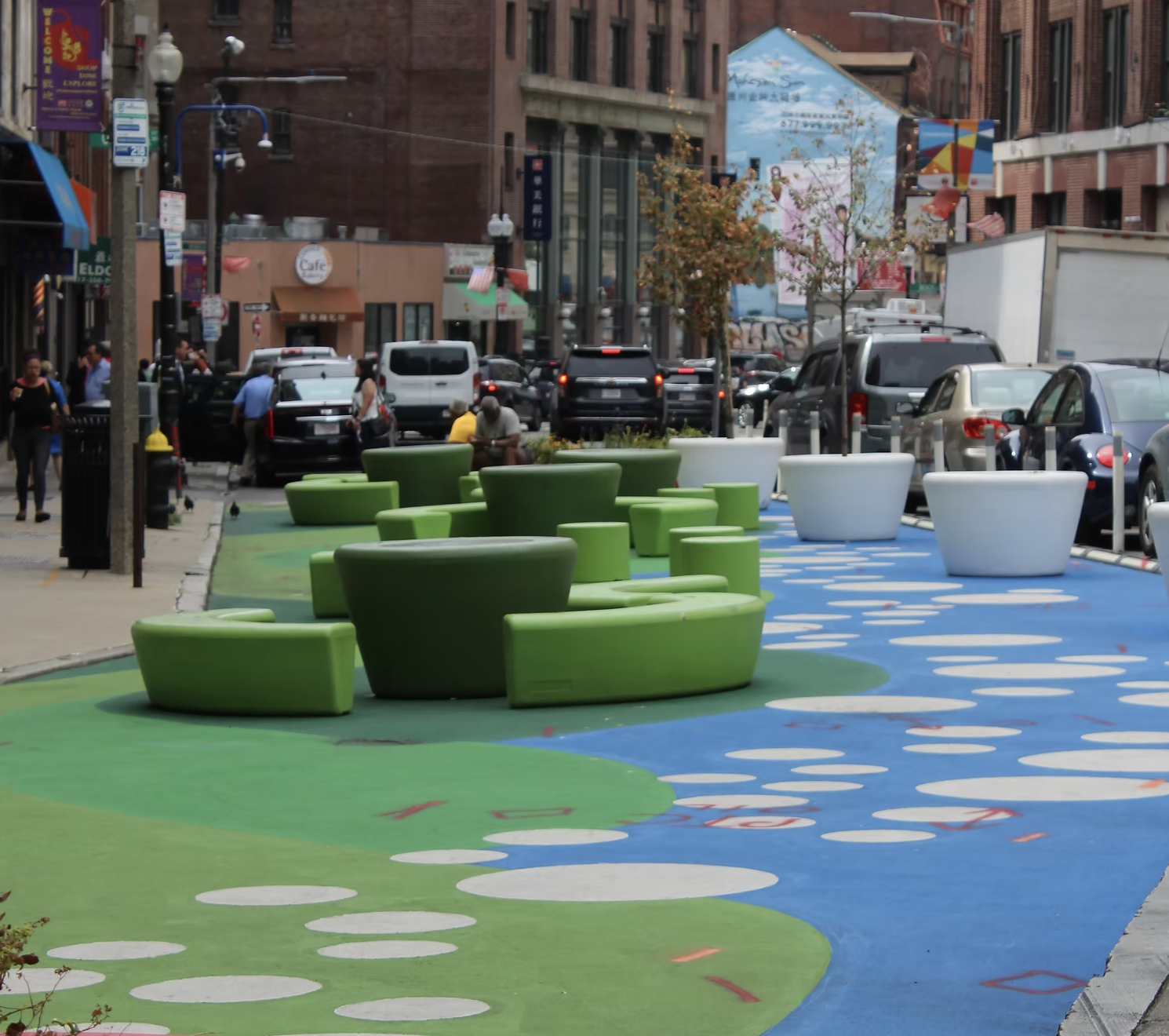
The Chinatown HEROS was created to evaluate environmental conditions in open spaces across Boston’s Chinatown. Through the study, we set out to generate public knowledge, develop community education workshops, and provide recommendations for climate-resilient design strategies for open spaces. Specifically, we collected data on ambient temperature, air pollution, vegetation, surface conditions, noise, and user characteristics at 12 open space sites in Chinatown between July and August of 2023.
Our study builds on past and current environmental justice and open space efforts in Chinatown and around the Greater Boston Area. Community residents and leaders have long voiced for more park access and improvements to existing open spaces in Chinatown. Parks and green spaces provide important opportunities for residents and families to gather, connect, and play, and promote positive mental and physical health and well-being . However, environmental hazards such as extreme heat and air pollution have significant negative health effects, especially for vulnerable groups like children, pregnant persons, older adults, and those who have health complications
To date, the Chinatown HEROS study uniquely presents this data disaggregated across Chinatown and by open space sites. Our study provides data measured by time and space across Chinatown that can be used to identify sites needing the most urgent improvements and inform residents and stakeholders about targeted climate and heat resilience strategies.
We summarize our data collection and show comparisons across open space sites. We also provide general recommendations and resources to reduce exposure to extreme heat and air pollution outdoors.
STUDY GOALS
Collect disaggregated data across Chinatown on heat, air pollution, and environmental characteristics in 12 open sites.
Understand which open sites need urgent improvements and what types.
Share recommendations with community and city leaders to support long-term, climate-resilient funds in Chinatown.
MEASUREMENTS
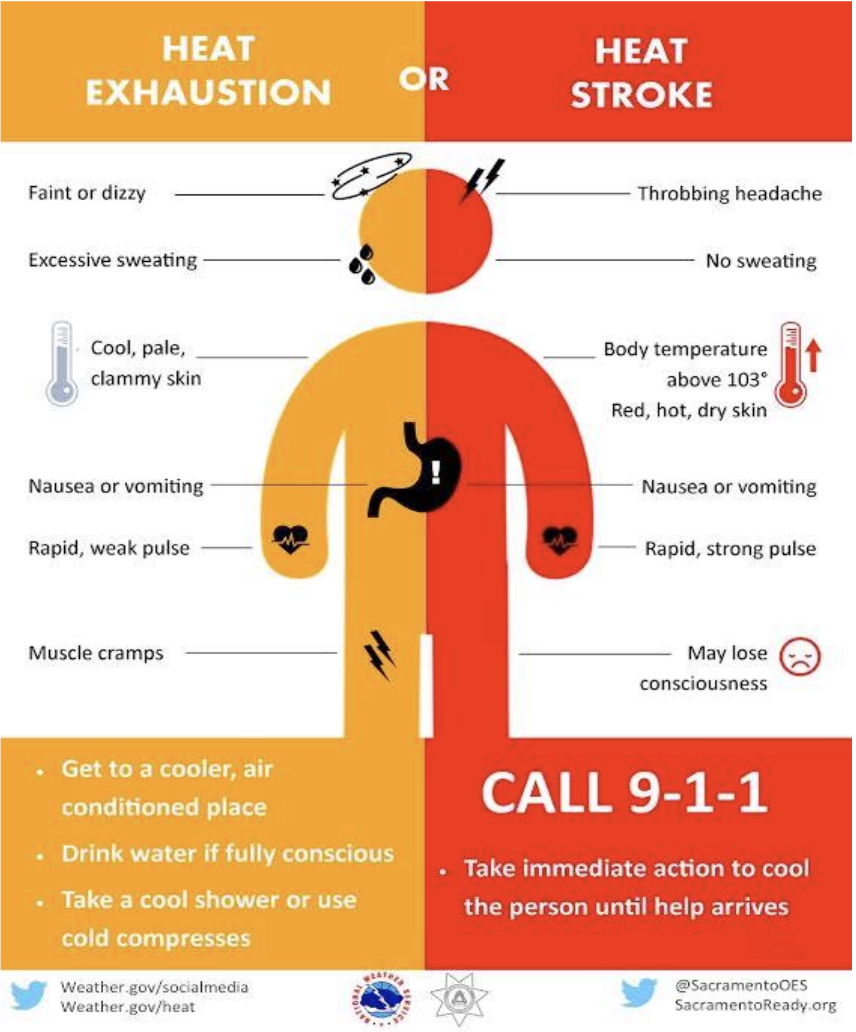
Extreme Heat: period of abnormally hot weather (above 90 degrees) of more than 2 days. The combination of heat and humidity can make the air difficult to breathe.
Fine Particle Matters: a measurement of air pollution. Extremely small air particles that are generated from activities like cigarette smoking, car exhaust fumes, and coal burning
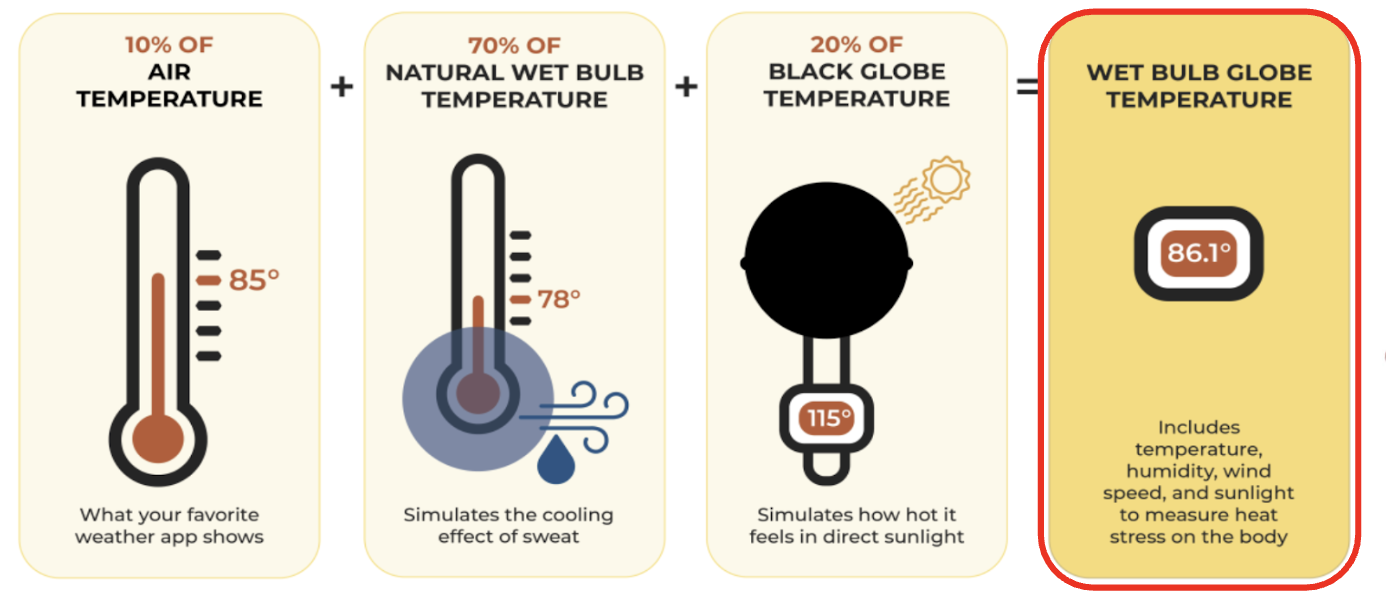
Wet Bulb Globe Temperature: indicator of heat related stress to people. Relative to temperature, humidity, wind speed, and sunlight.
DATA COLLECTION PROCESS
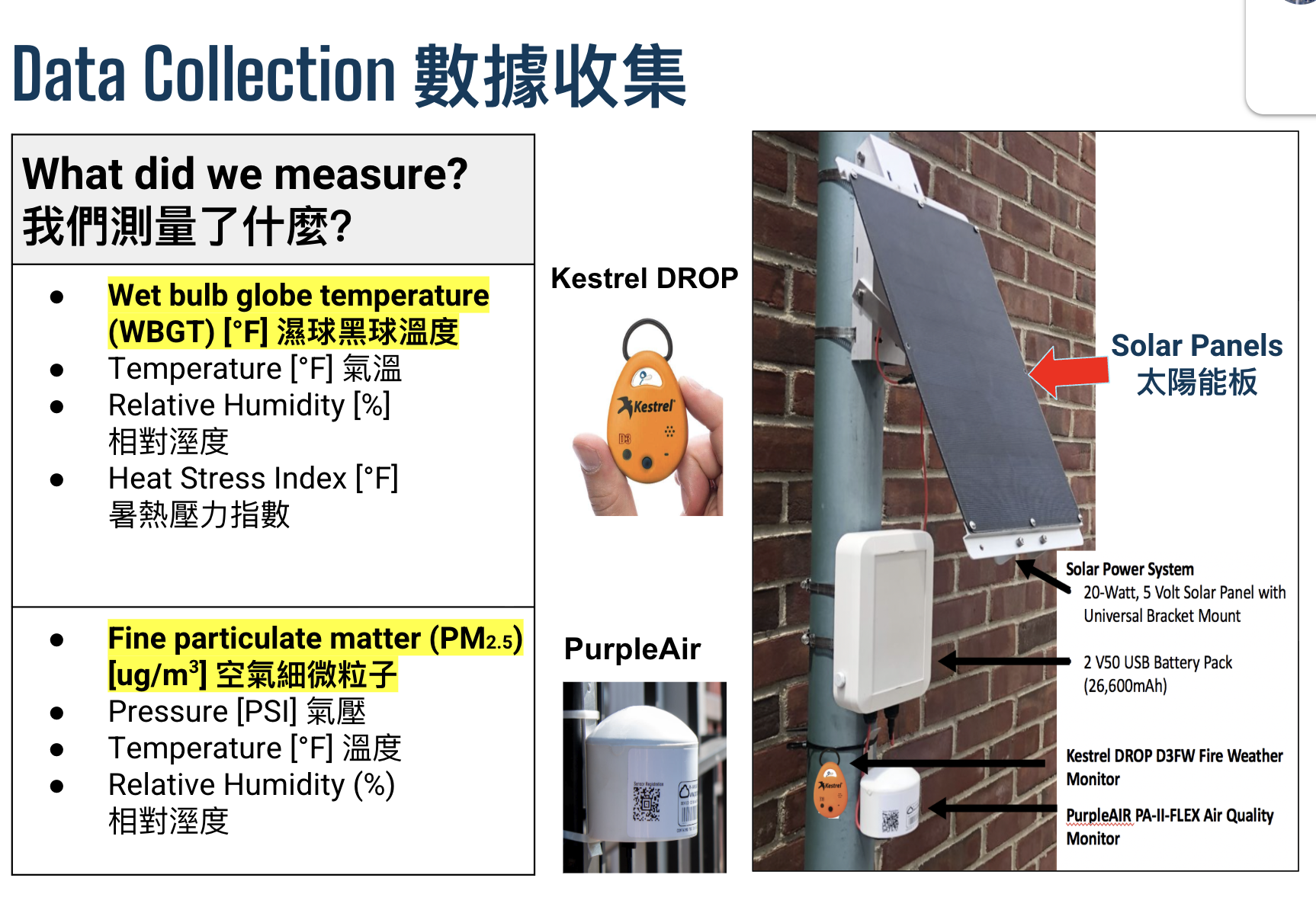
Our study collected air pollution, heat stress, and other environmental data in July and August of 2023 using two low-cost sensors installed at 12 open spaces around Chinatown. The two sensors were: the Kestrel (Kestrel DROP D3FW Fire Weather Monitor), which collected data on wet bulb globe temperature (WBGT) and ambient temperature, and the Purple Air (PurpleAIR PA-II-FLEX), which collected data on fine particulate matter (PM2.5), a major air pollutant of concern. These sensors collected data continuously at the 10-minute interval, and for this report, we averaged the data to hourly.
The data were reviewed and cleaned (e.g., we removed data points that may be due to poor sensor performance). We also applied correction factors to the PM2.5 data based on methods developed by the U.S. Environmental Protection Agency (EPA).
We also compared air pollution data at each site with data collected publicly from the MassDEP Federal Equivalent Method (FEM) monitor. The FEM monitor is located at the corner of Lincoln and Kneeland Streets next to the 93 South highway ramp (please see the blue diamond in Figure 1).
To complement the sensor data, we conducted daily site visits over a two-week period in July 2023. During these visits, we recorded observations about traffic levels, surface temperatures, site features, pavement types, trees and vegetation types, and activity at each site, among other relevant environmental factors.
KEY FINDINGS (Summer 2023)
TEMPERATURE AND HEAT
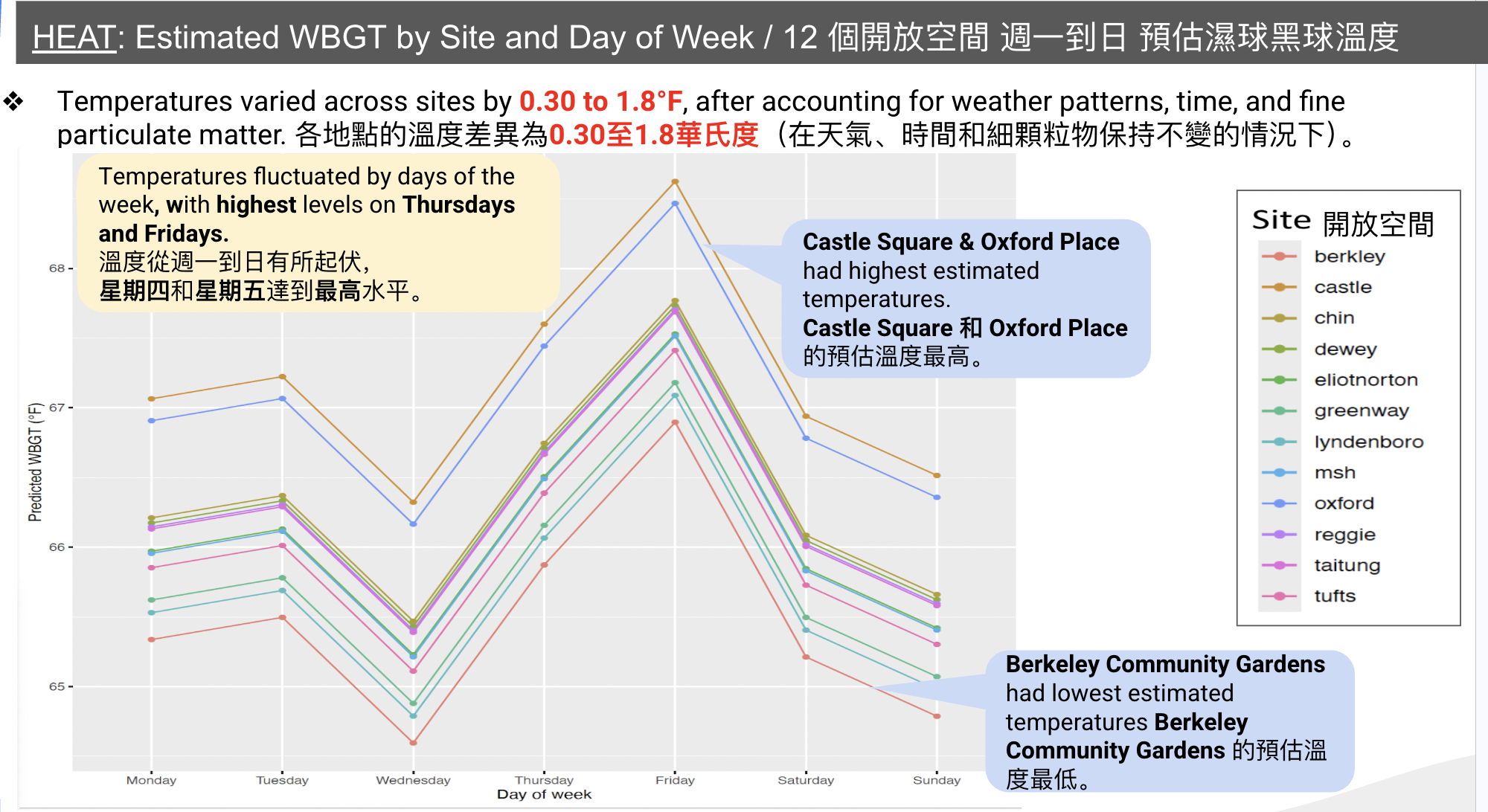
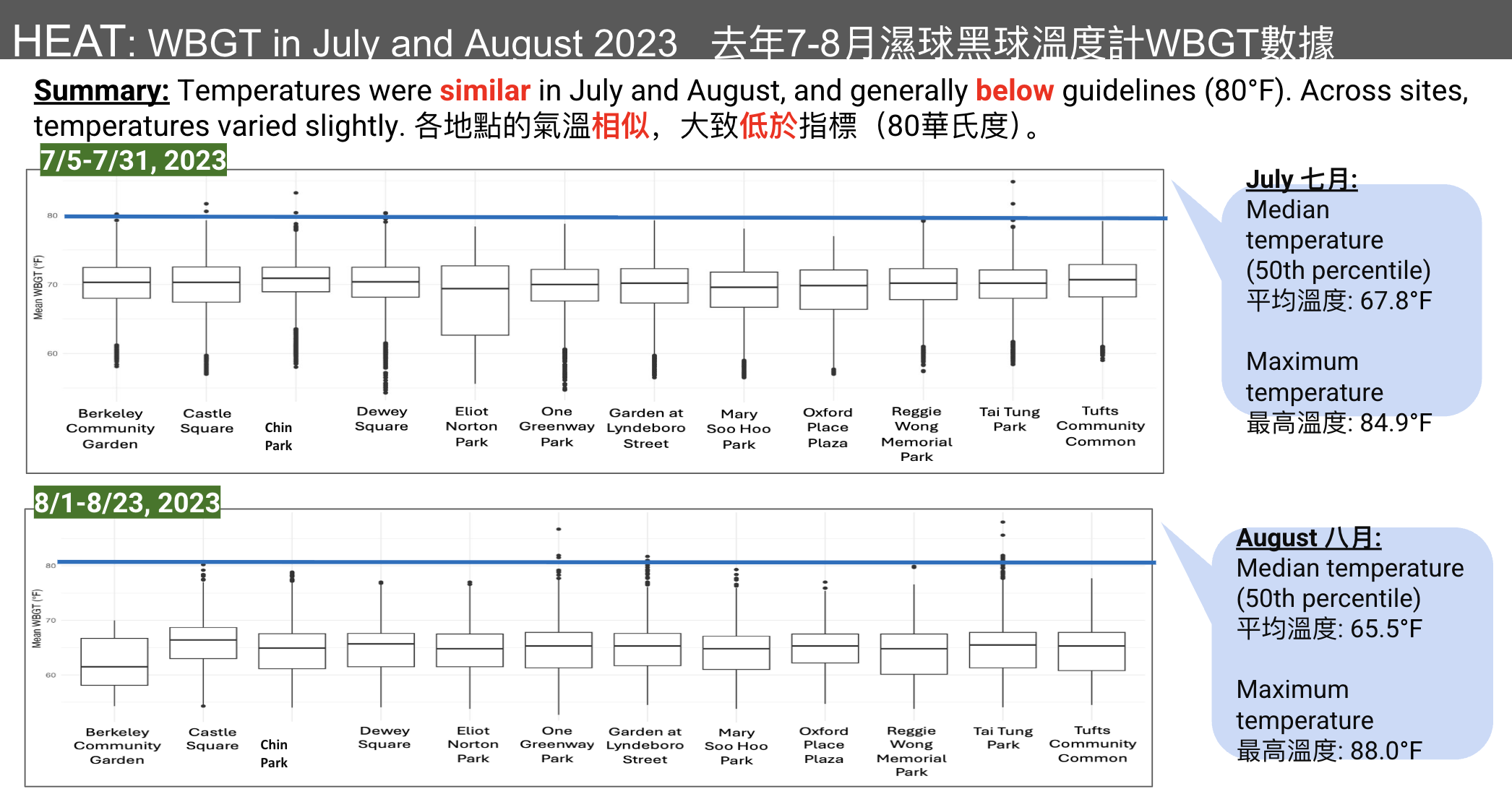
Some variations across open spaces in wet bulb globe temp.
Temperature fluctuated widely for some pavements and surfaces (e.g. bench, playground equipment)
Wet bulb globe temperature: Temperatures were similar in July and August, and generally below guidelines (80°F). Across sites, temperatures varied slightly.
Temperatures varied across the week, highest on Thurs and Fri
AIR POLLUTION
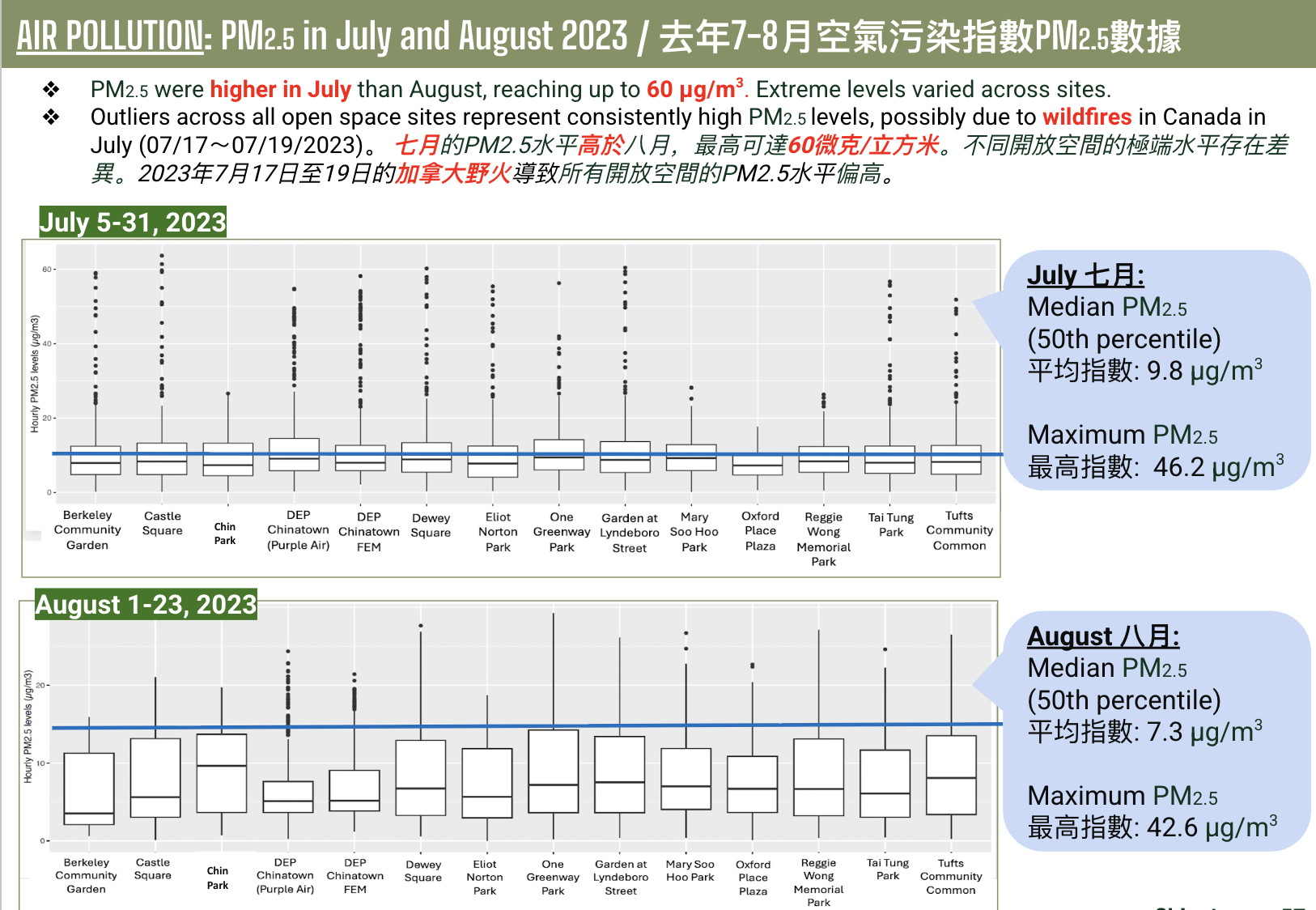
Data has been impacted by the Summer 2023 wildfires
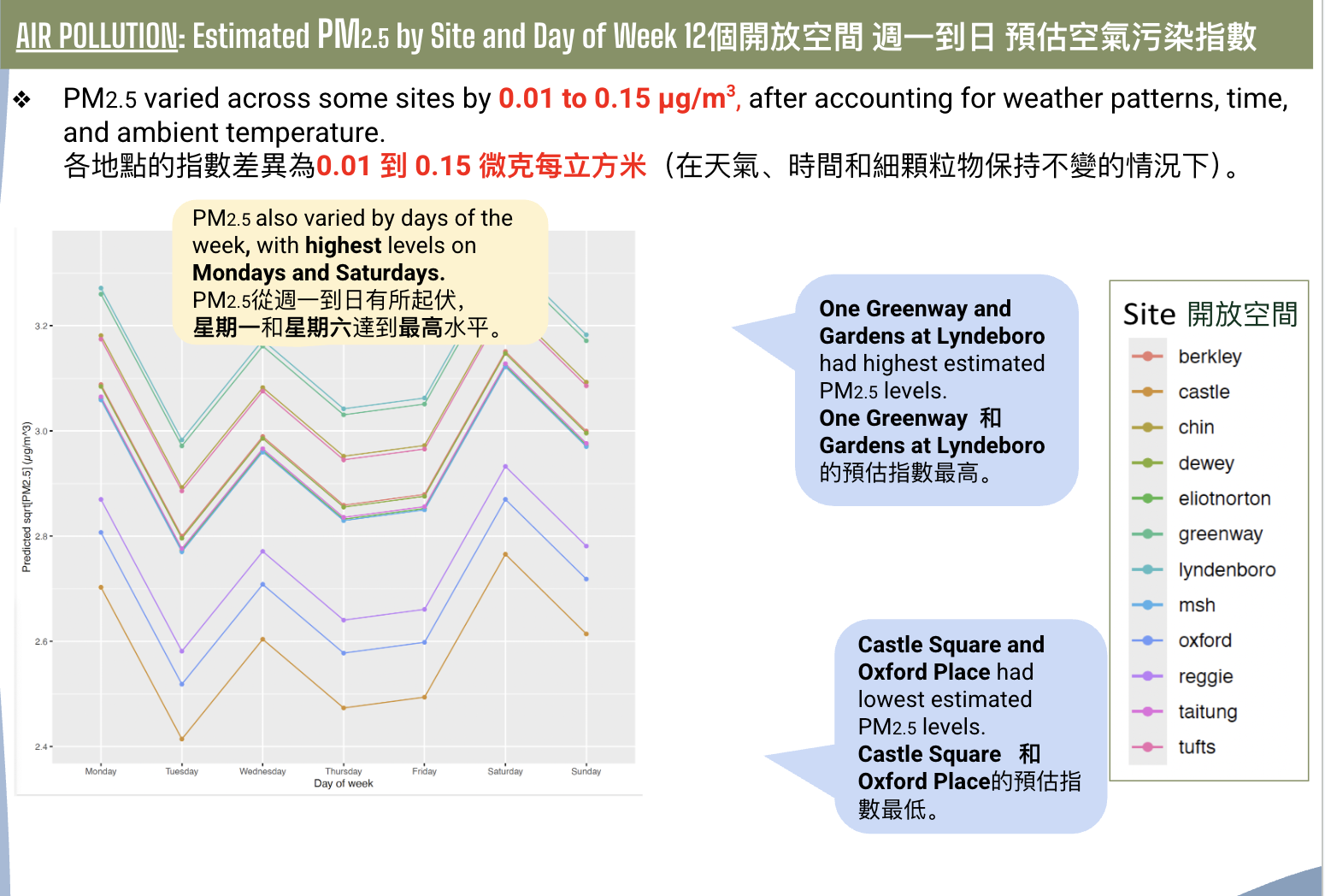
There were variations across across open space sites, particularly near major roads
PM2.5 were higher in July than August, reaching up to 60 µg/m3. Extreme levels varied across sites.
Outliers across all open space sites represent consistently high PM2.5 levels, possibly due to wildfires in Canada in July (07/17~07/19/2023)
Recommendations for sites: Increase tree/vegetation and roadside barriers, increase shade structures and mechanical cooling.
Potential sites to focus on improvements
Privately-owned: Oxford Place, Castle Square, One Greenway
City of Boston Owned: Lyndeboro Gardens
Other sites: Reggie Wong Park, Phillips Square
SUN, SHADE, AND VEGETATION ACROSS SITES
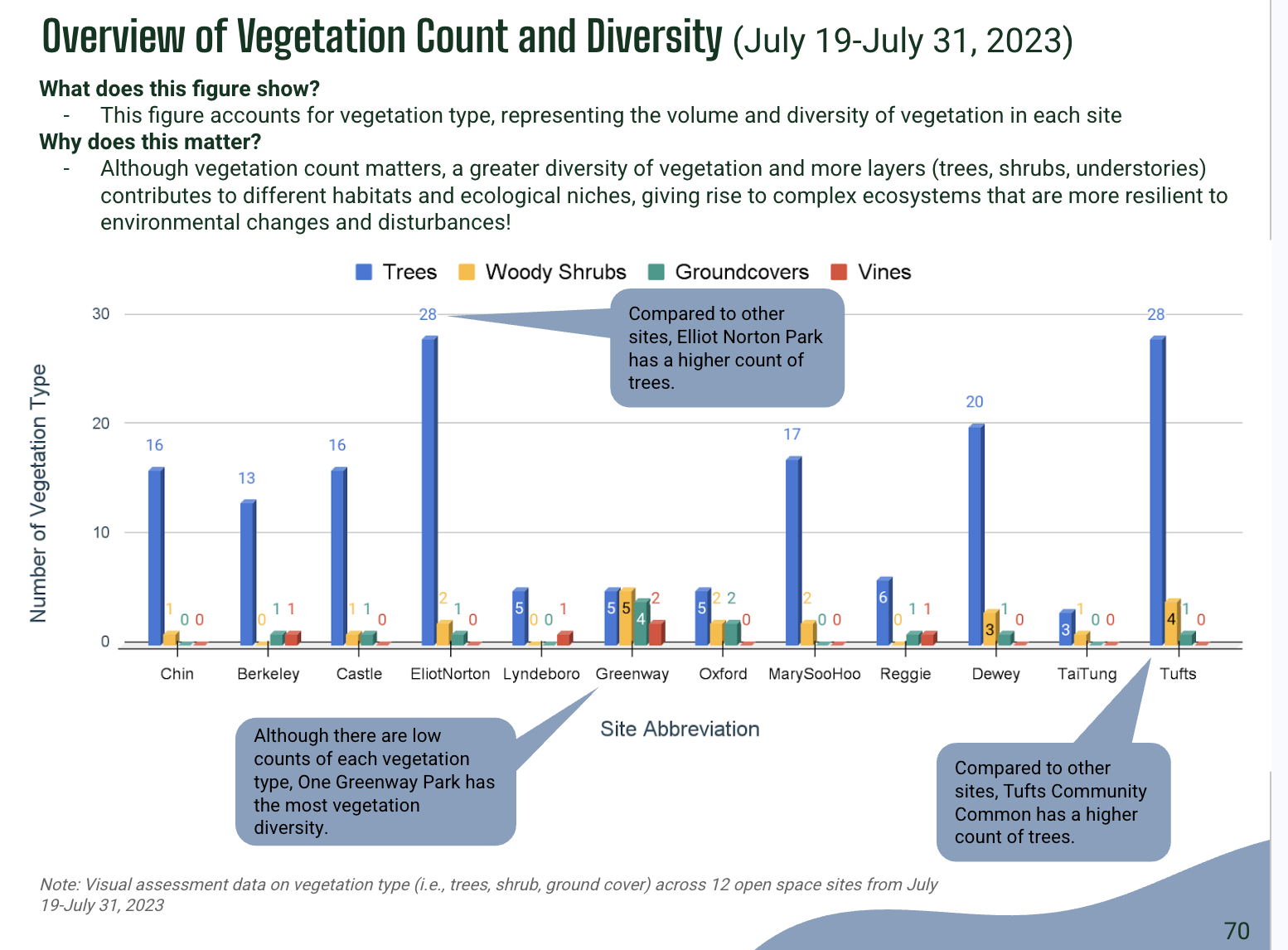
Why are trees and vegetation important? Trees and vegetation can help cool outdoor temperature by providing shade and using the heat from the air to evaporate water (i.e., evapotranspiration). Vegetation can also filter or block the spread of air pollutants. With a greater diversity of vegetation and more layers of trees, the local ecosystem will be filled with different habitats and ecological niches, thus becoming stronger against extreme environmental conditions.
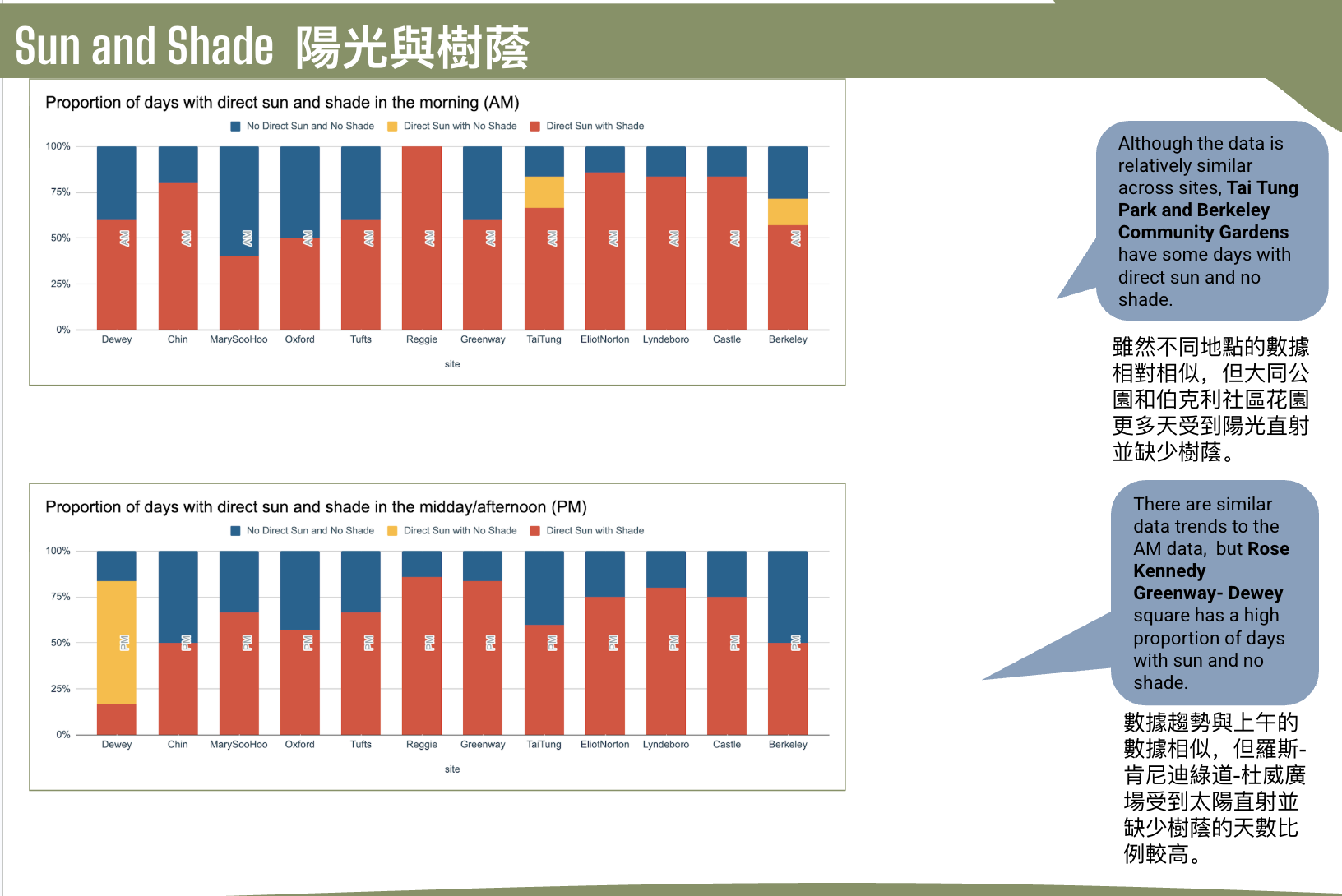
Sun and Shade:
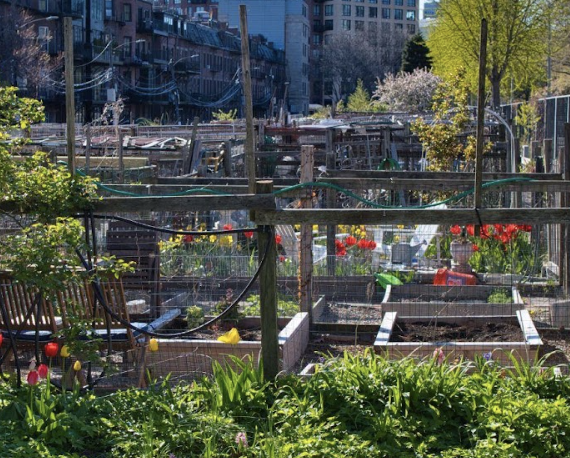
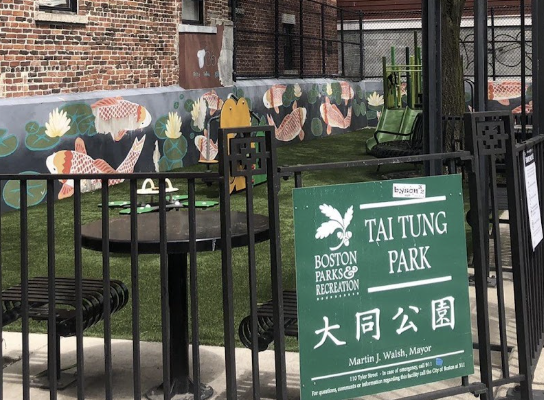
Most sites had relatively similar data, but Tai Tung Park and Berkeley Community Gardens have some days with direct sun and no shade.
Rose Kennedy Greenway- Dewey square has a high proportion of days with sun and no shade.
Vegetation:
Elliot Norton Park has a higher count of trees compared to other sites
Low counts of each vegetation type overall, but One Greenway Park has the most vegetation diversity.
Tufts Community Common has the highest count of trees
NOISE LEVELS
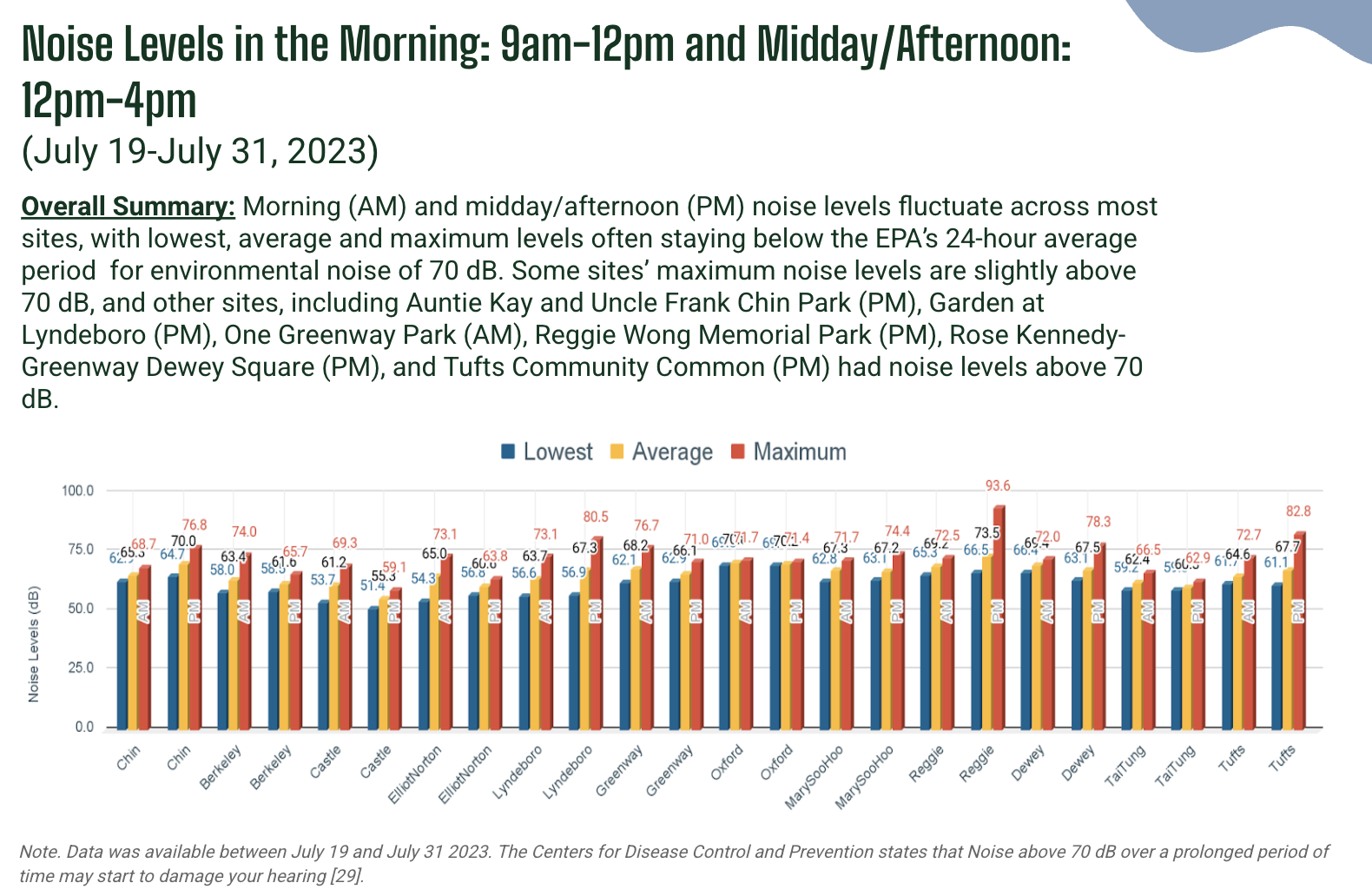
Morning (AM) and midday/afternoon (PM) noise levels fluctuate across most sites, with lowest, average and maximum levels often staying below the EPA’s 24-hour average period for environmental noise of 70 dB.
Sites including Auntie Kay and Uncle Frank Chin Park (PM), Garden at Lyndeboro (PM), One Greenway Park (AM), Reggie Wong Memorial Park (PM), Rose Kennedy- Greenway Dewey Square (PM), and Tufts Community Common (PM) had noise levels above 70 dB.
What’s Next?
Through conducting the HEROS study, our team seeks to build upon environmental justice initiatives and open space advocacy in Chinatown and the Greater Boston area. By sharing our findings to the general public, we hope to bring forward an understanding of which environmental sites in Chinatown can be improved, and further inform residents, stakeholders, and community members of potential recommendations for a greener Chinatown.
If you have any questions about our study, or would like to meet to discuss further please contact Dr. MyDzung Chu, Principal Investigator, at: mydzung.chu@tuftsmedicine.org.