Chinatown Heat Equity and Resilience in Open Spaces (HEROS) Study
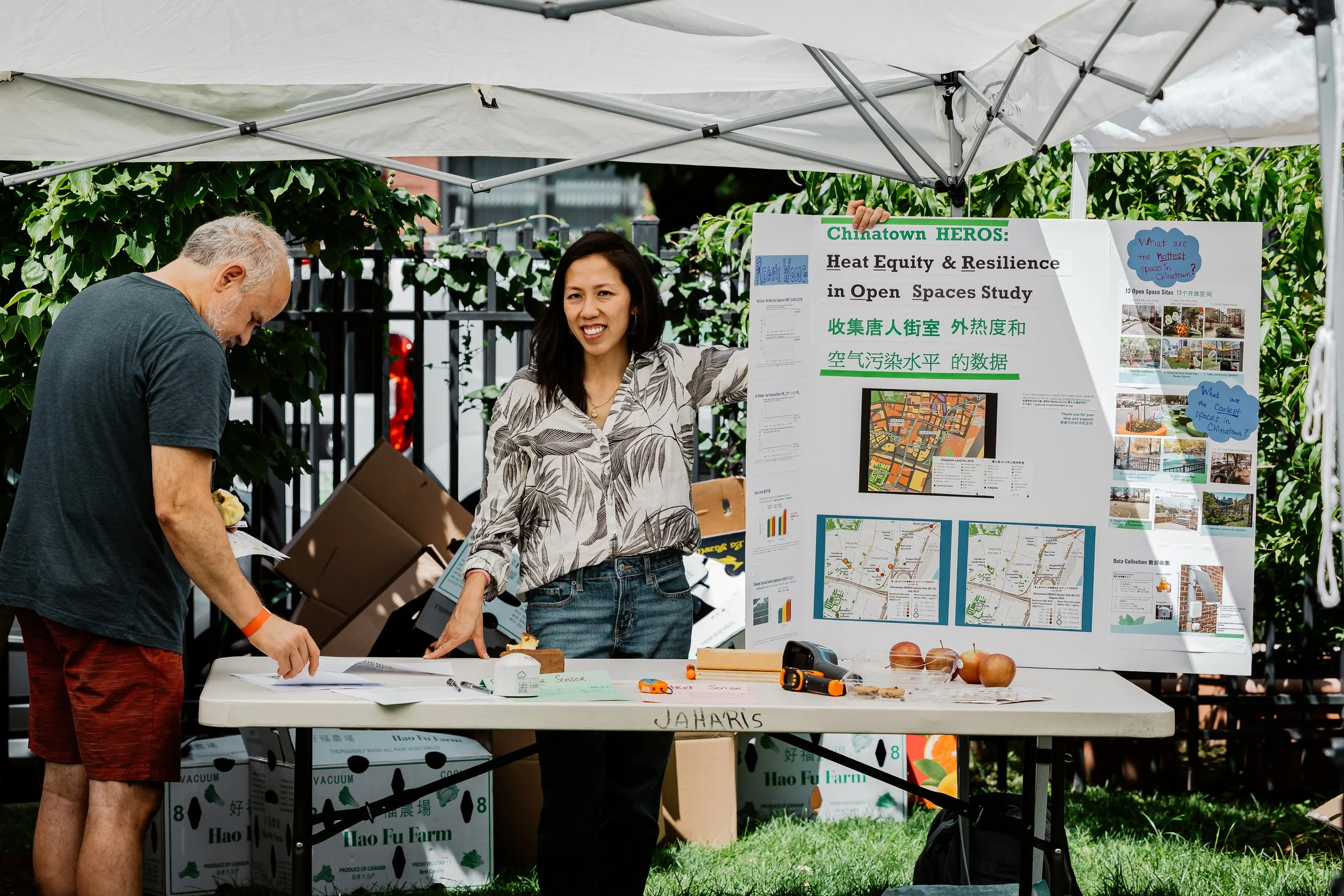
The Chinatown HEROS (Heat Equity and Resilience in Open Space) Study is a Community-Based Participatory Research (CBPR) collaboration between community leaders from the Asian Community Development Corporation (ACDC), local artist Ponnappa Prakkamukul, and researchers at Tufts Medical Center and Tufts University.
Our study builds on past and current environmental justice and open space efforts in Chinatown and regionally. Community residents and leaders have long advocated for more park access and improvements to existing open spaces in Chinatown. Parks and green spaces provide important opportunities for residents and families to gather, connect, and play, and promote positive mental and physical health and well-being. However, environmental hazards such as extreme heat and air pollution pose significant health risks and jeopardize the health benefits of being outdoors, especially for vulnerable groups like children, pregnant persons, older adults, and those who have health complications.
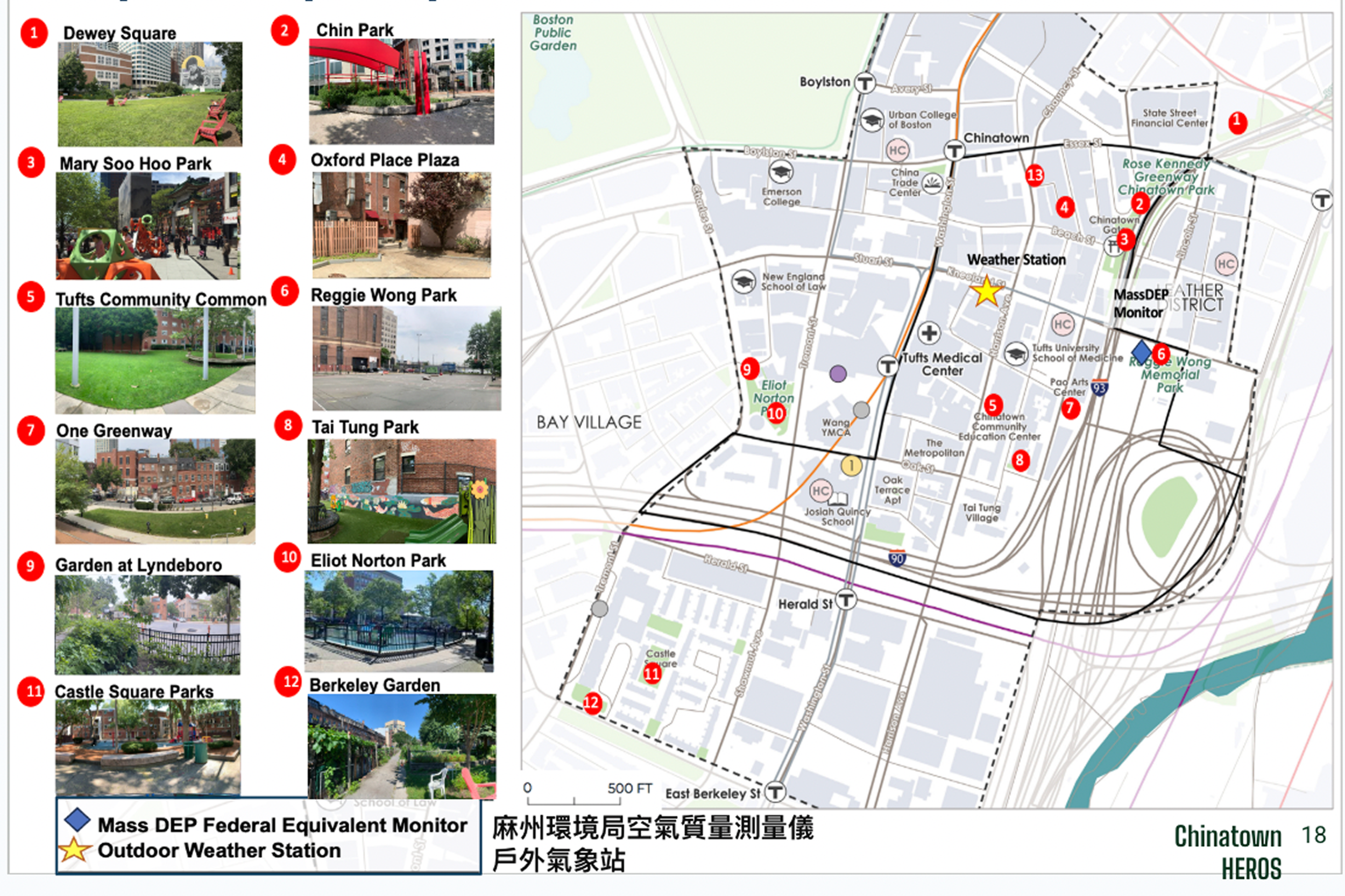
The study examines environmental conditions in open spaces across Boston’s Chinatown with the goal to generate public knowledge, develop community education workshops, and provide recommendations for climate-resilient design strategies for open spaces. Between July and August 2023, our team collected data on ambient temperature, air pollution, vegetation, surface conditions, noise, and user characteristics at 12 open space sites in Chinatown. With our findings, we hope that these recommendations will help both residents and community members in Chinatown in navigating extreme heat conditions in the near future.
WHAT MAKES CHINATOWN HOT?
Extreme Heat
Extreme heat events occur when temperatures reach very high or when the combination of heat and humidity make the air difficult to breathe. It can cause heat exhaustion or heat stroke.
Air Pollution
Fine particulate matter, or PM2.5, contains very small liquid droplets or solids that can be inhaled and get deep into your lungs and even into your bloodstream, causing serious problems
Explore Environmental Sites in Our Study
This interactive map allows the general public to explore all 12 open spaces that were part of the HEROS project. Each site has been analyzed for environmental factors such as extreme heat, air pollution, and wet bulb globe temperature.
Addressing Environmental Justice in Chinatown
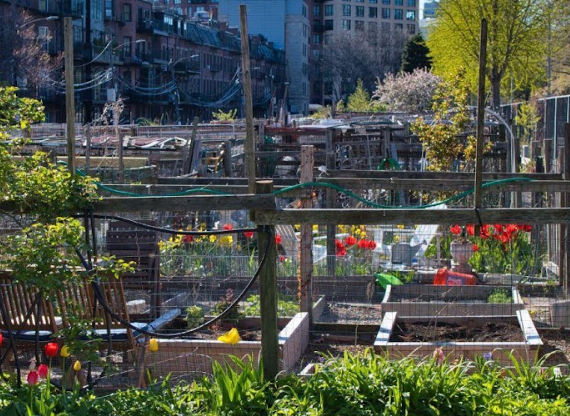
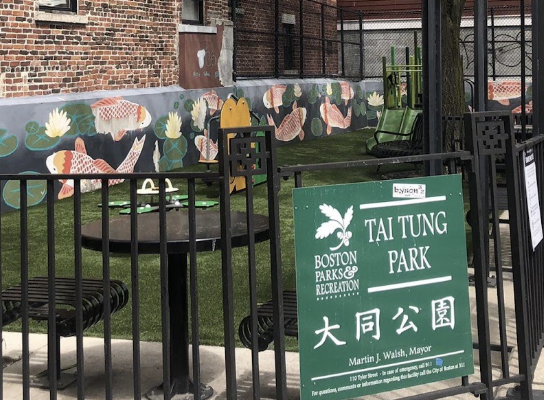
Boston’s Chinatown faces significant environmental injustices. Compared to other neighborhoods in Boston and statewide, Chinatown has the hottest temperatures, high air pollution levels, and high flooding risks.
These injustices are driven by racist urban planning policies and practices, such as:
Construction of major highways (Interstates 93 and 90) cutting through Chinatown
Placement of transportation terminals (train, bus, airline) and industrial activities in close proximity
Lack of green spaces and parks
High density of dark and impervious surfaces (i.e. asphalt, concrete)
In addition, as climate change progresses, Chinatown will experience even hotter temperatures, higher air pollution, and increased risk of flooding and other extreme events
Engaging Community Members
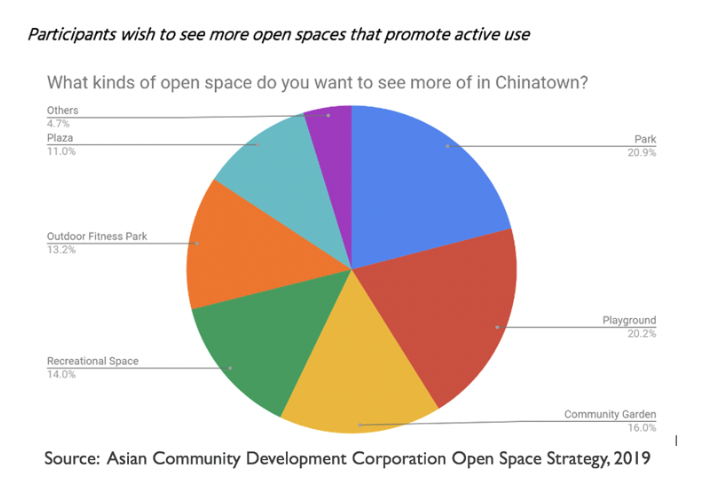
Chinatown residents have long voiced for well-designed, climate-resilient, accessible, and inclusive open spaces that promote active use for children and residents of all ages.
In 2019, the Asian Community Development Corporation (ACDC) and several community-based organizations launched the Open Space Strategy for Chinatown. This initiative engaged ~250 community members and artists in a series of community visioning workshops and interviews with 9 local businesses.
Participants reported dissatisfaction with the “quality of open space in Chinatown'' and “wish to see more open spaces that promote active use” such as parks, playgrounds, community gardens, recreational space, and outdoor fitness.
Community Engagement
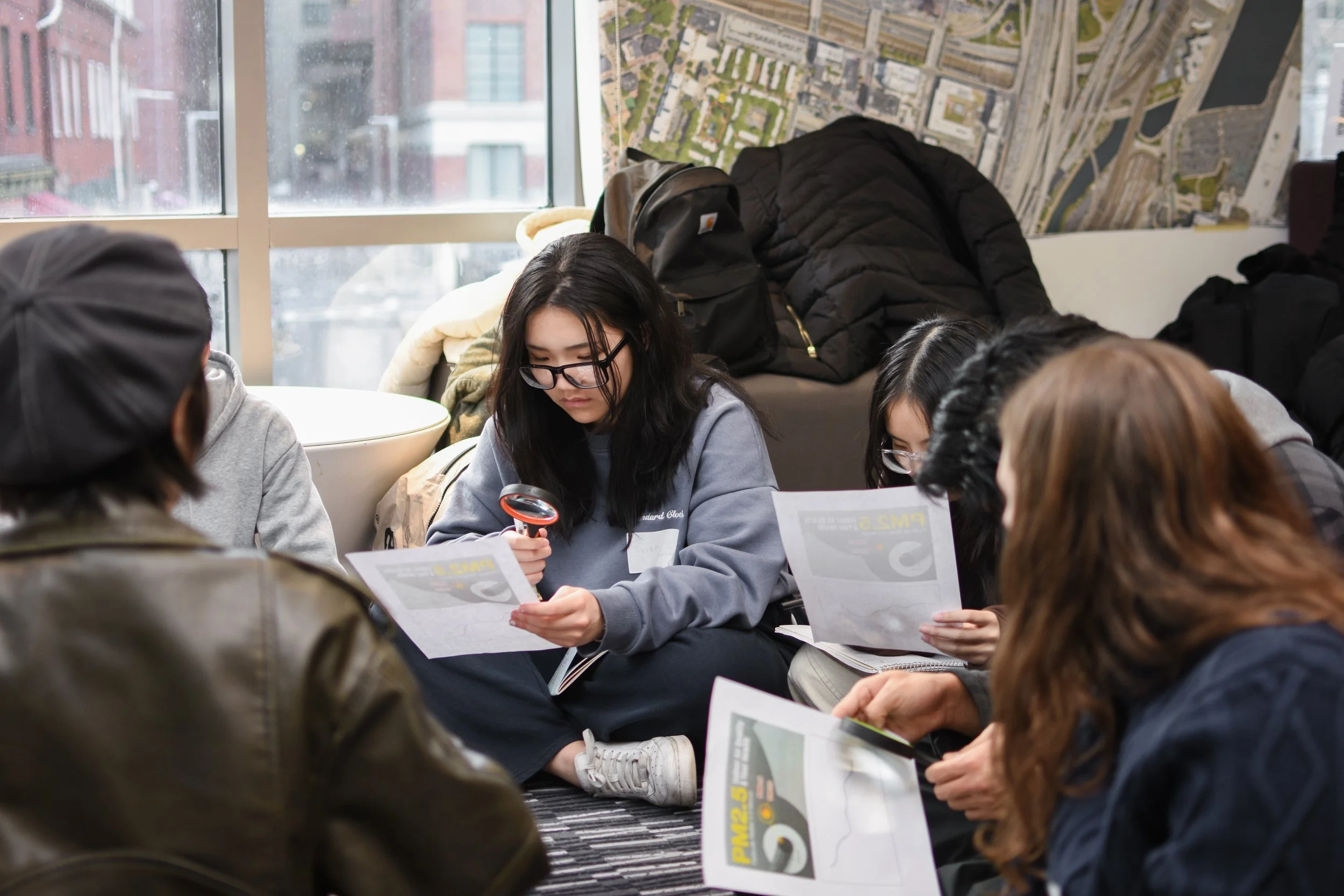
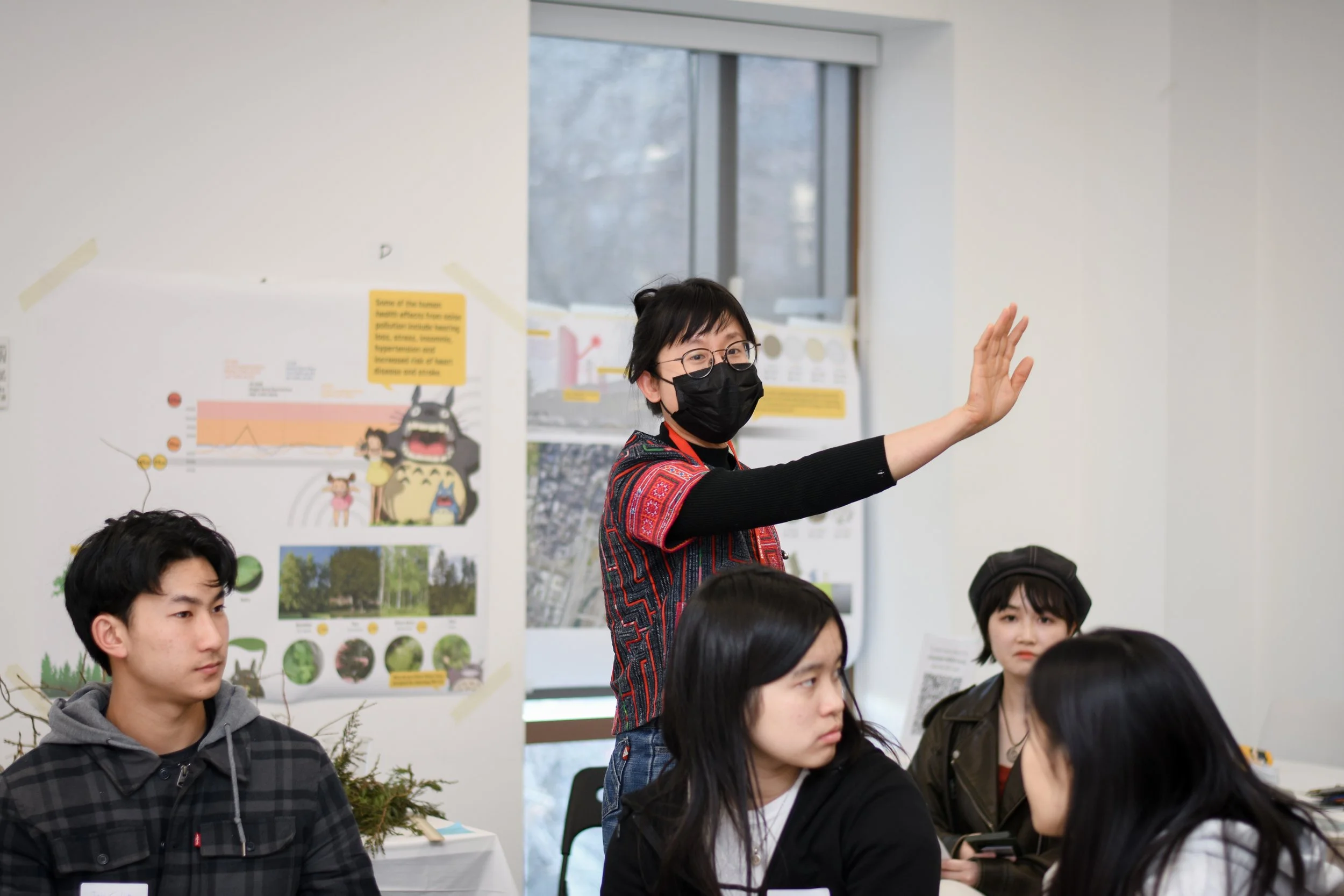
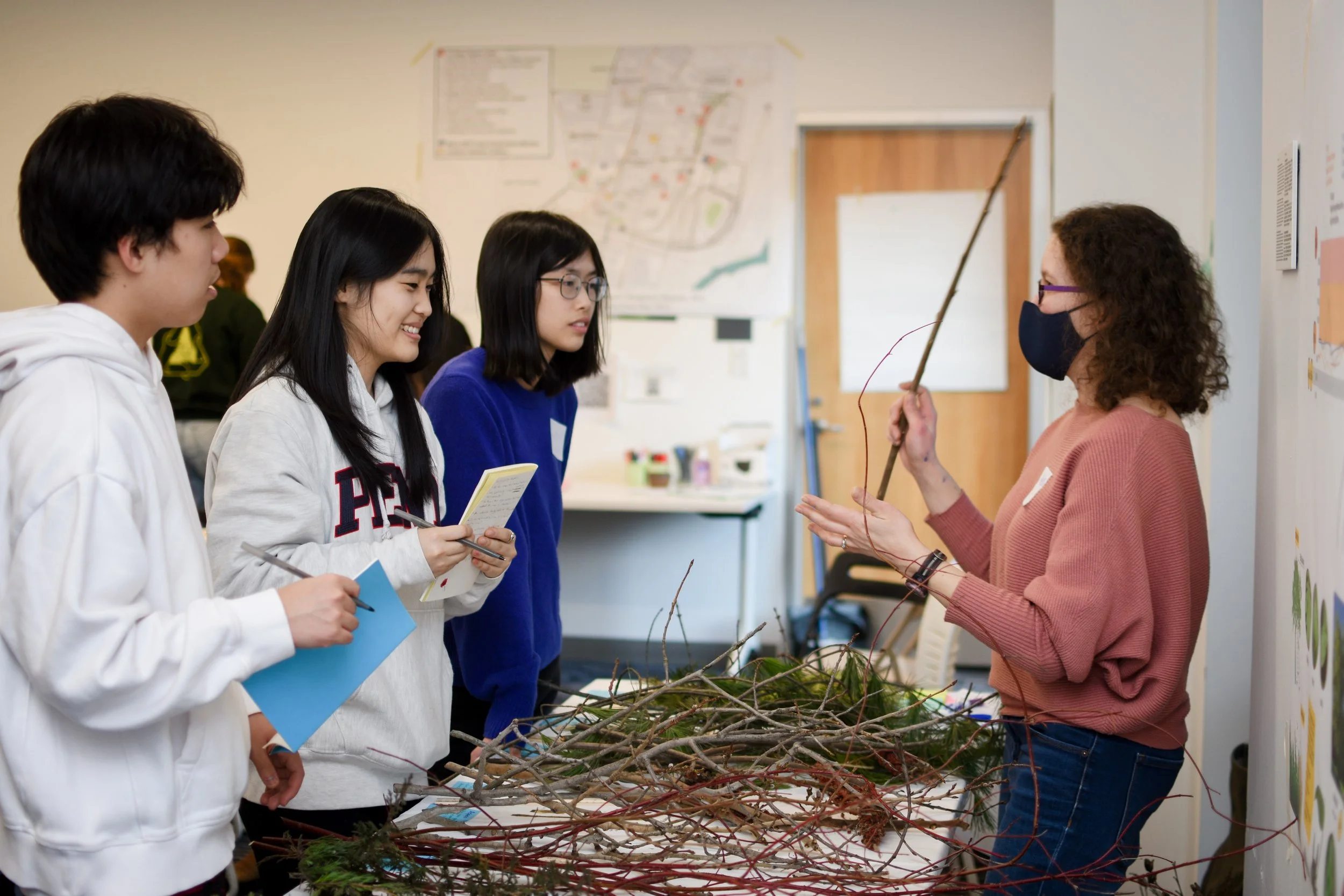
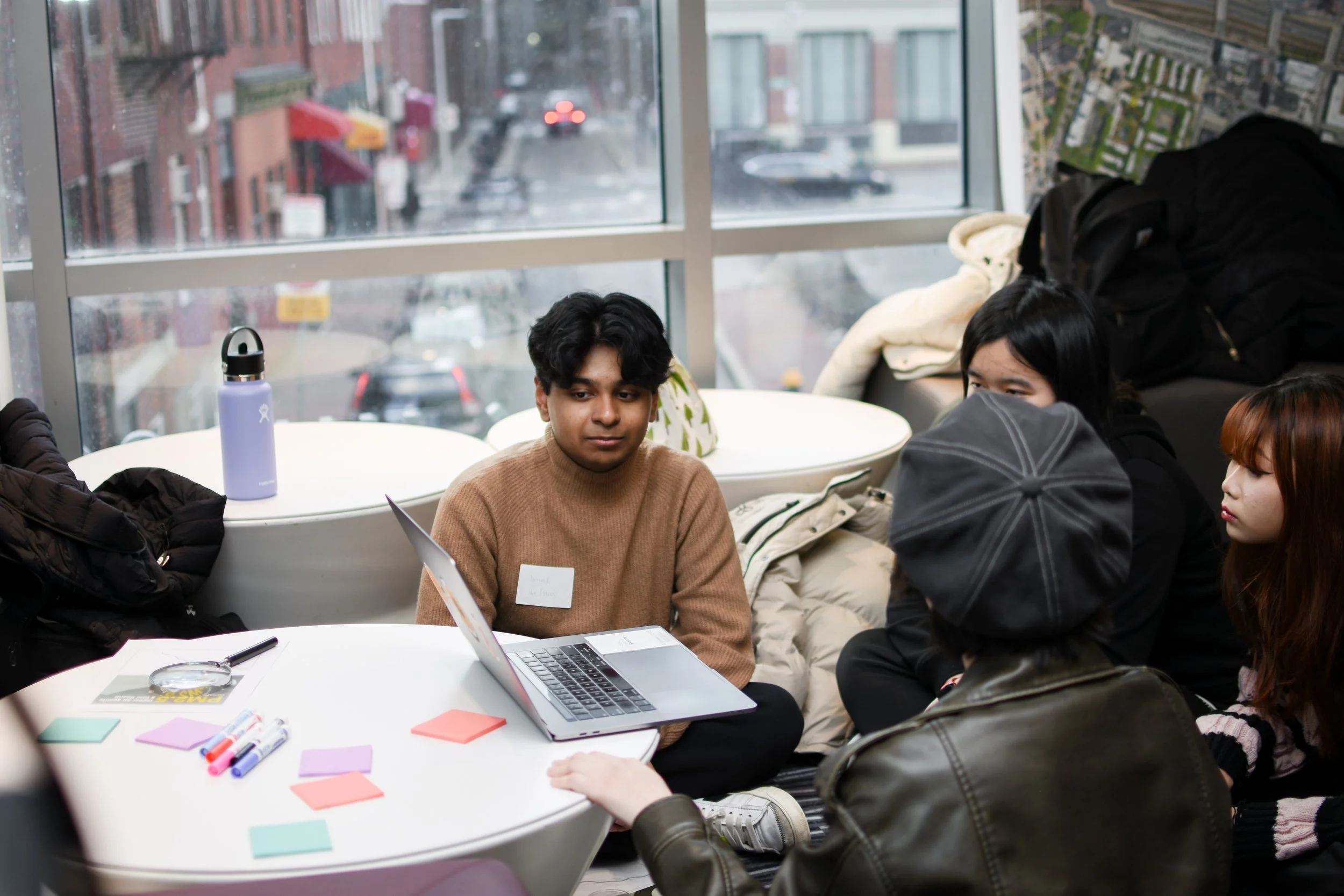
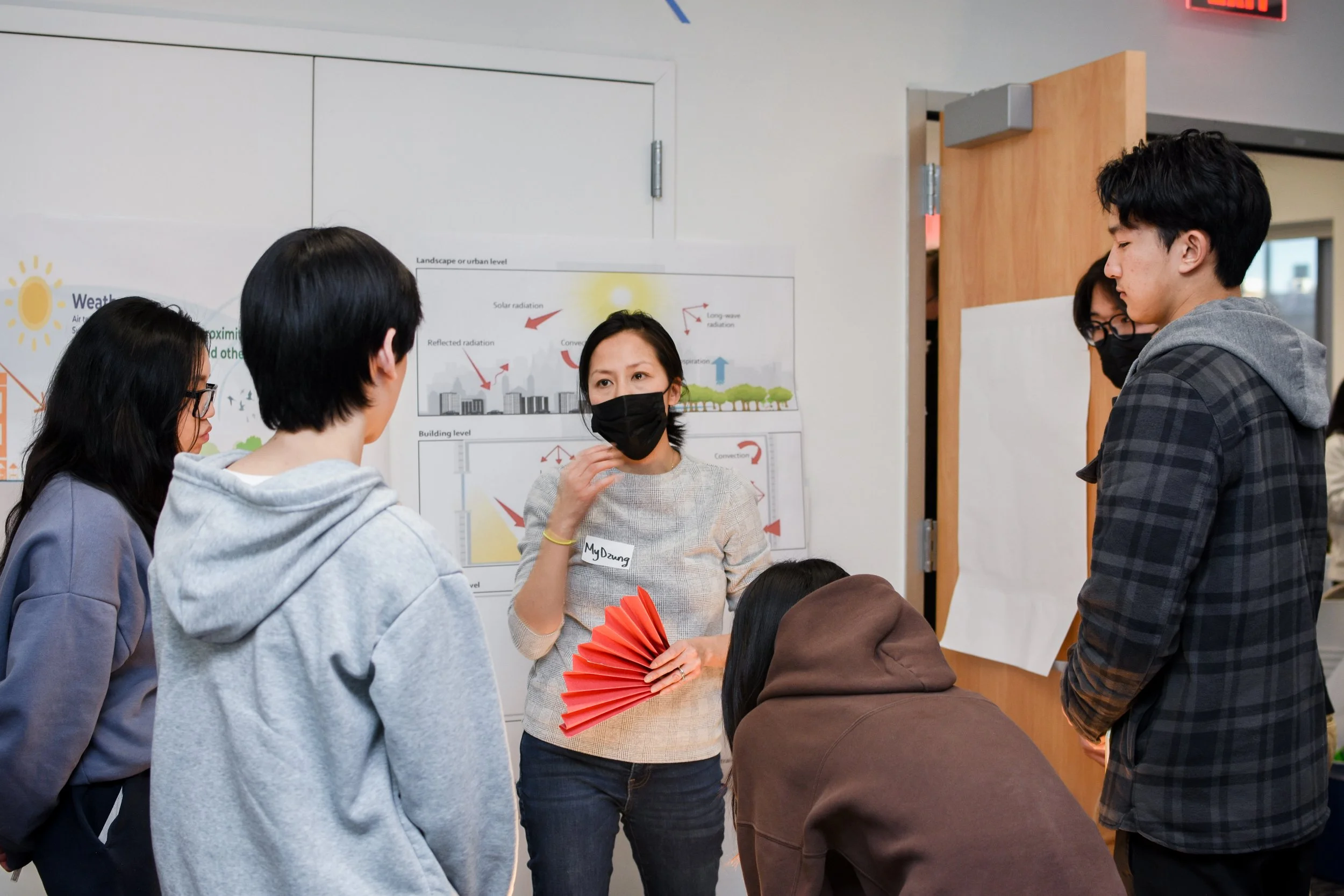
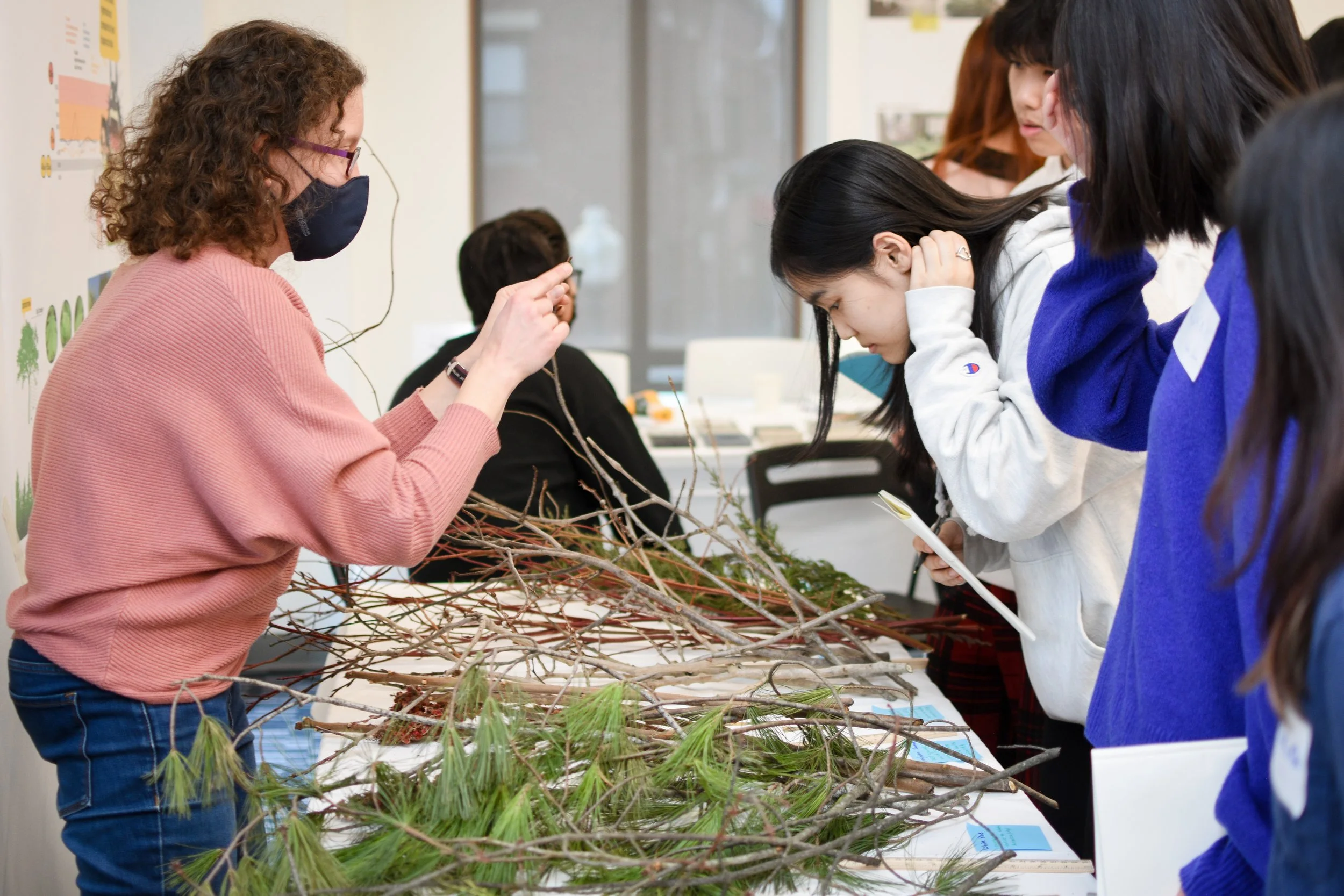
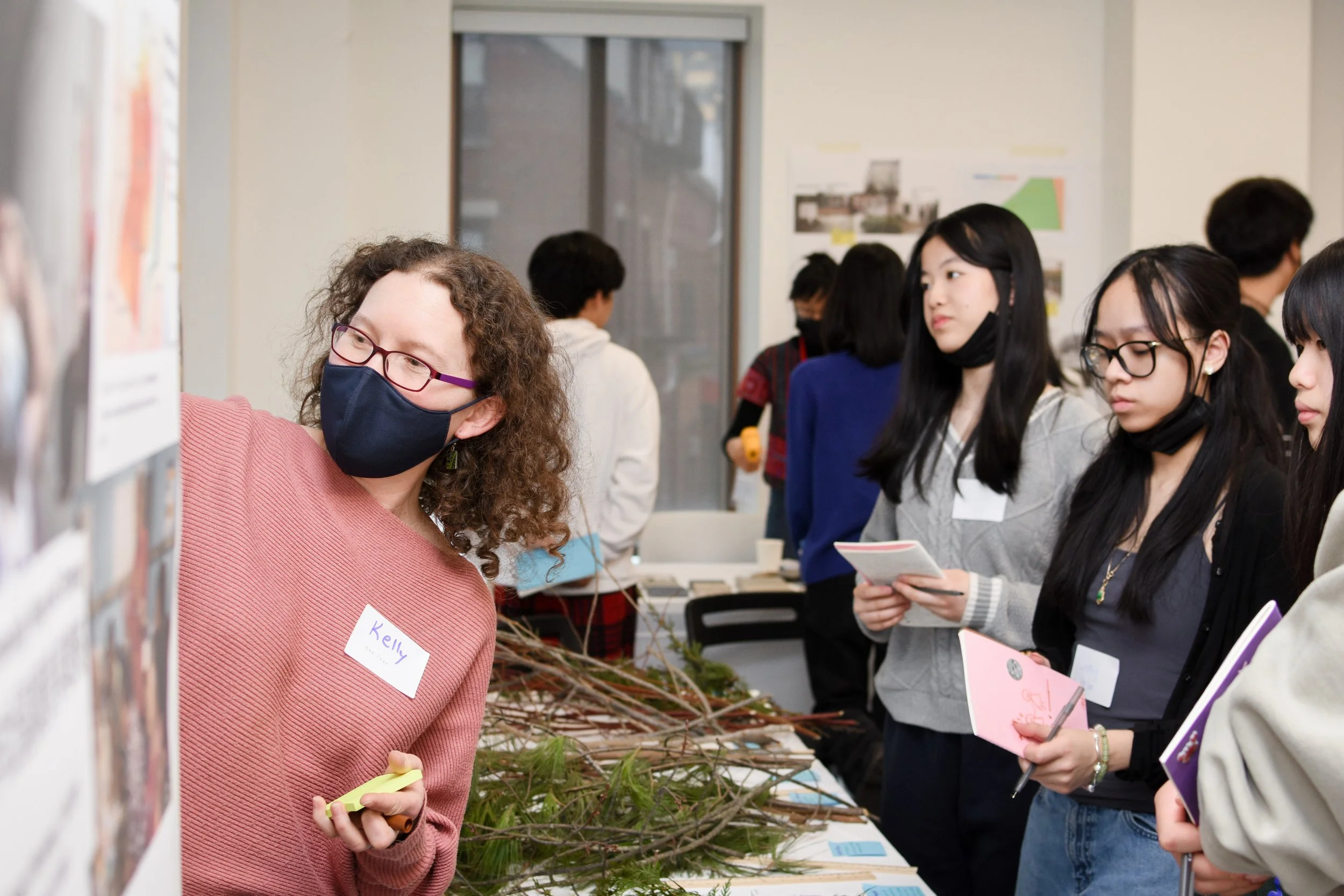
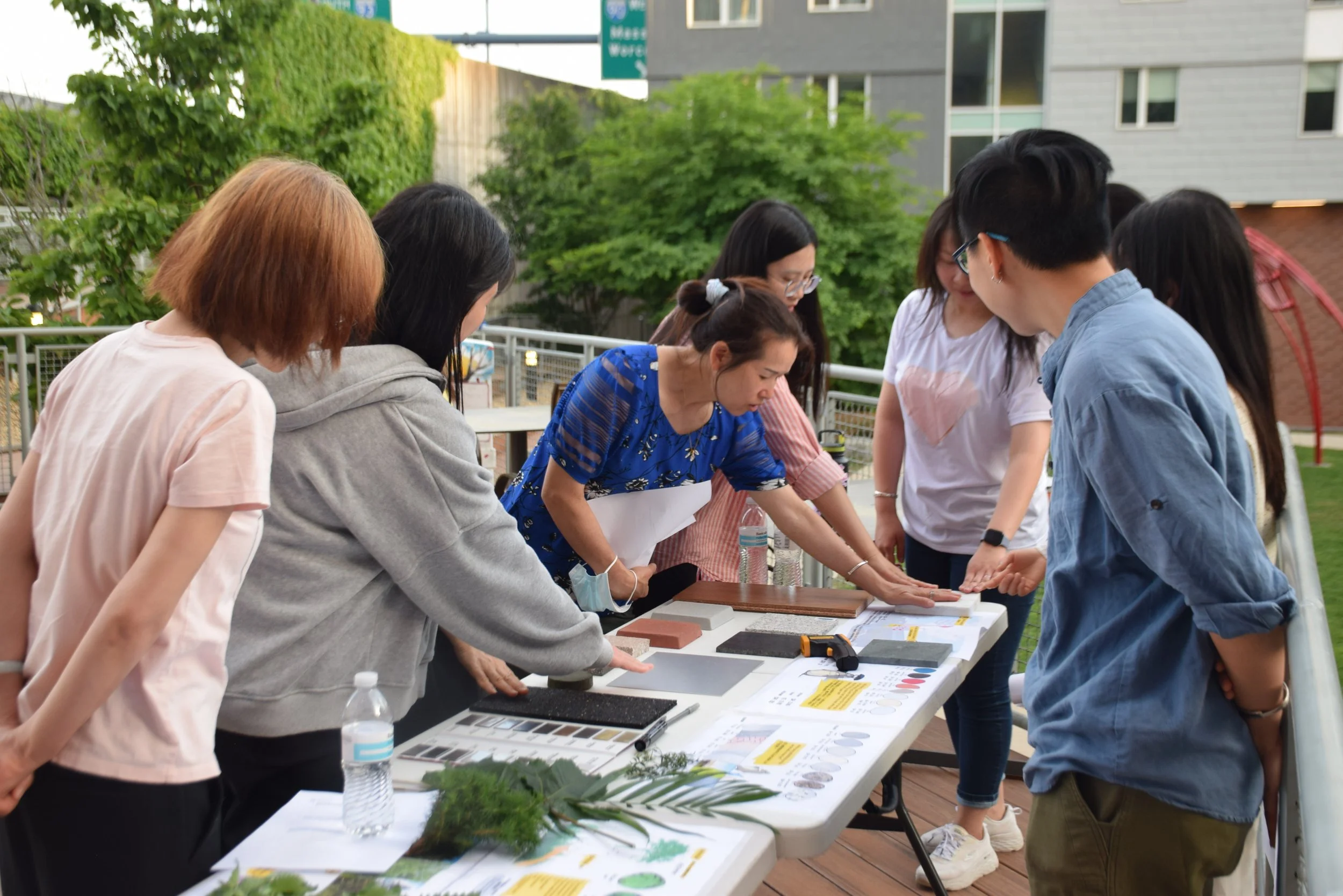
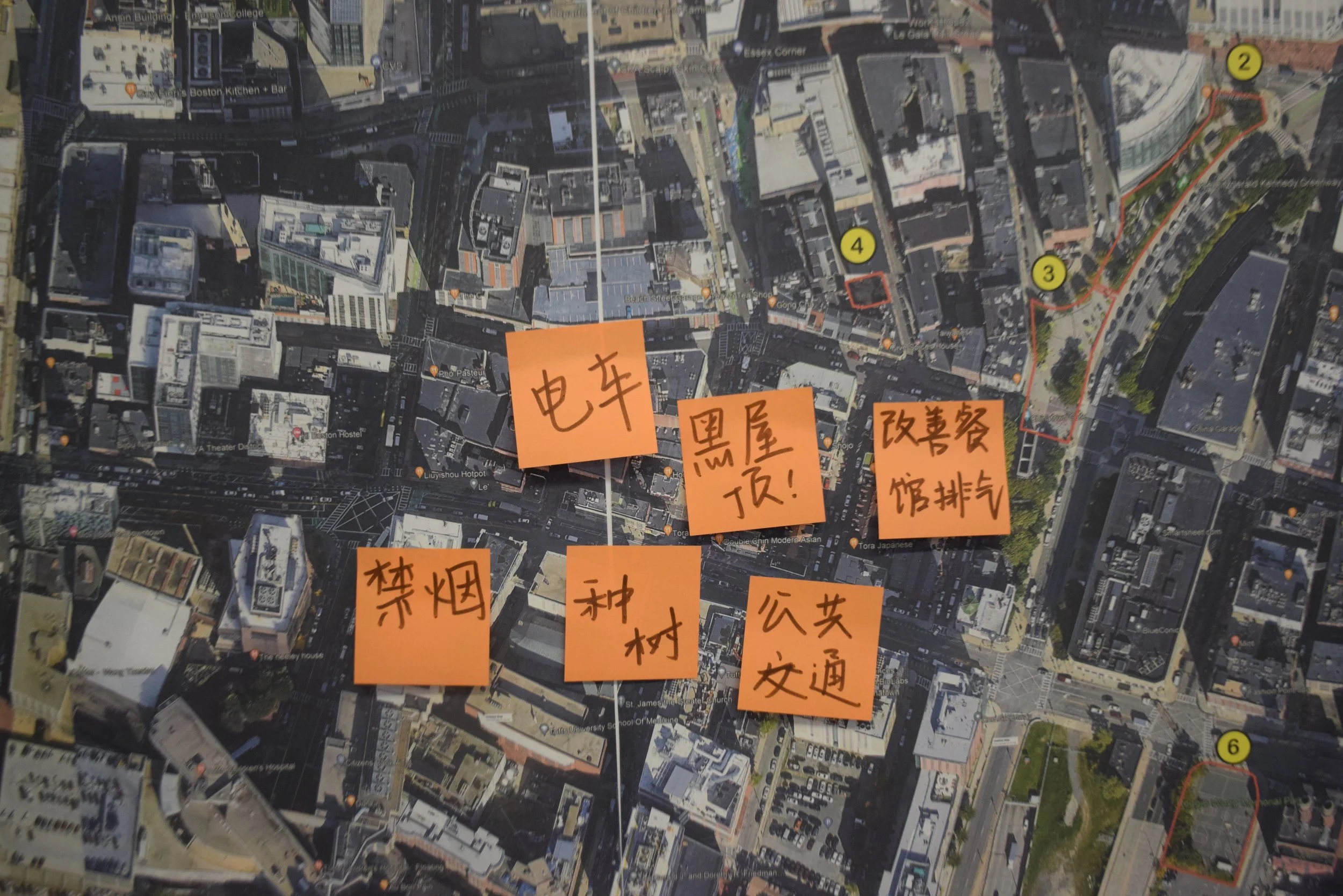
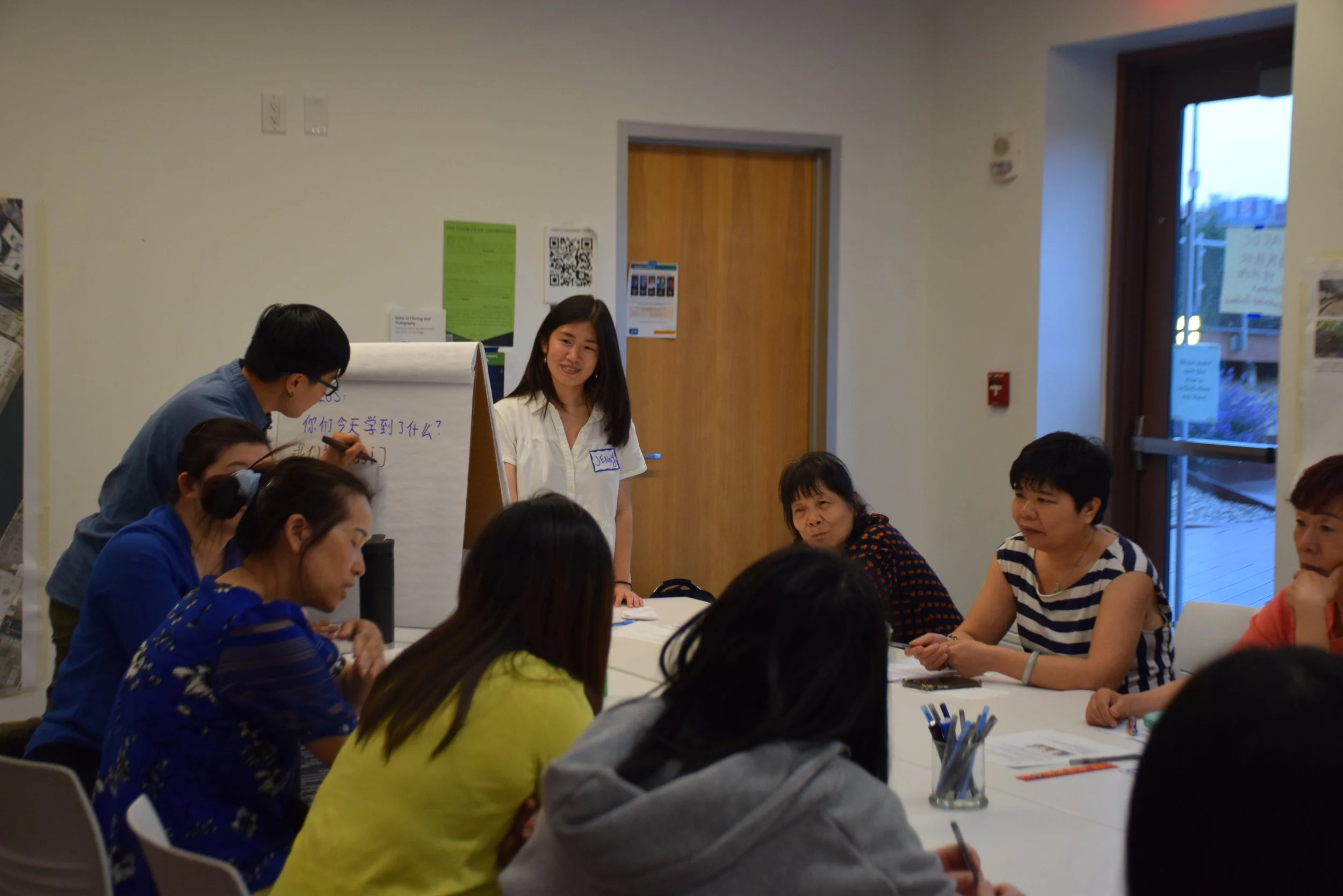
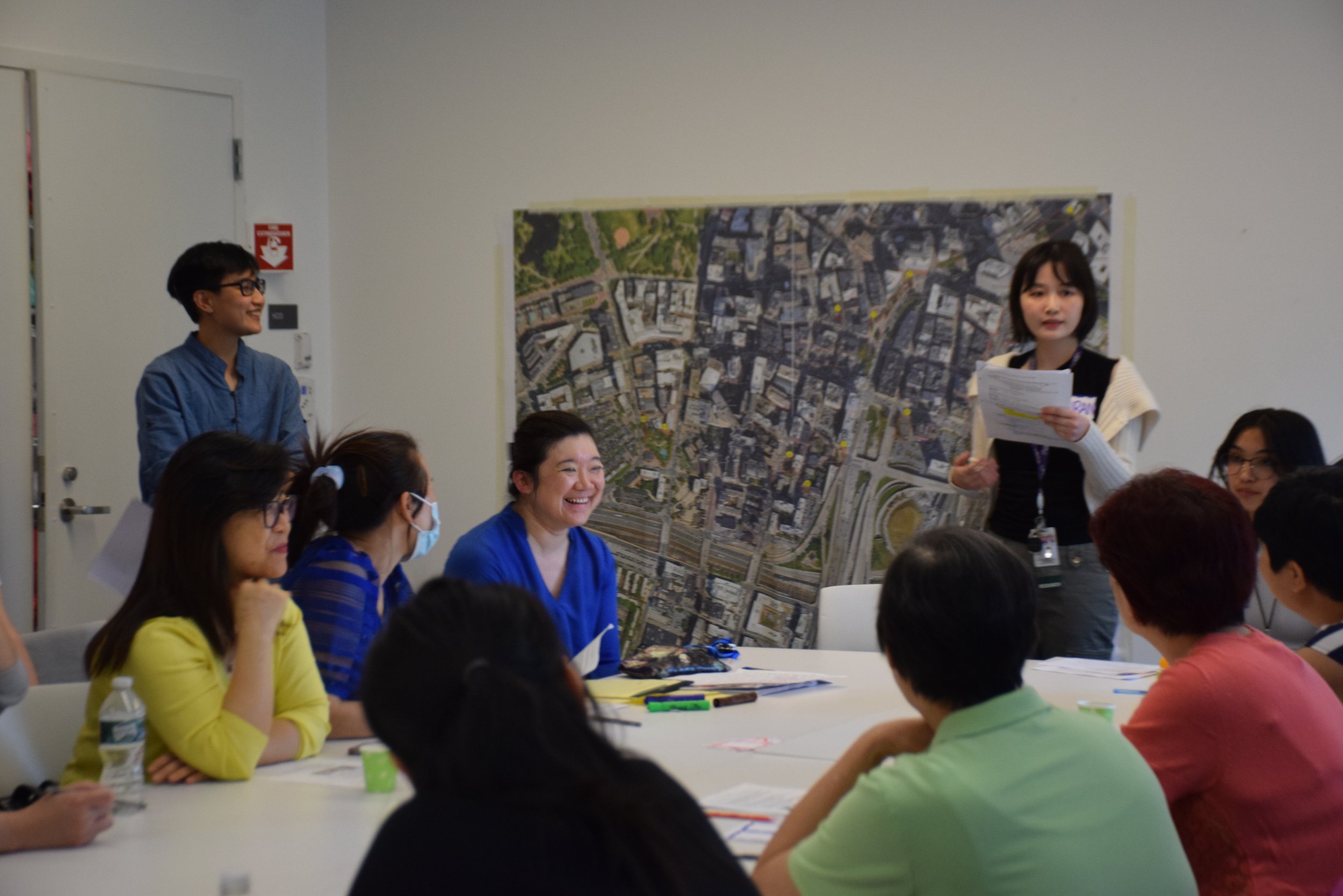
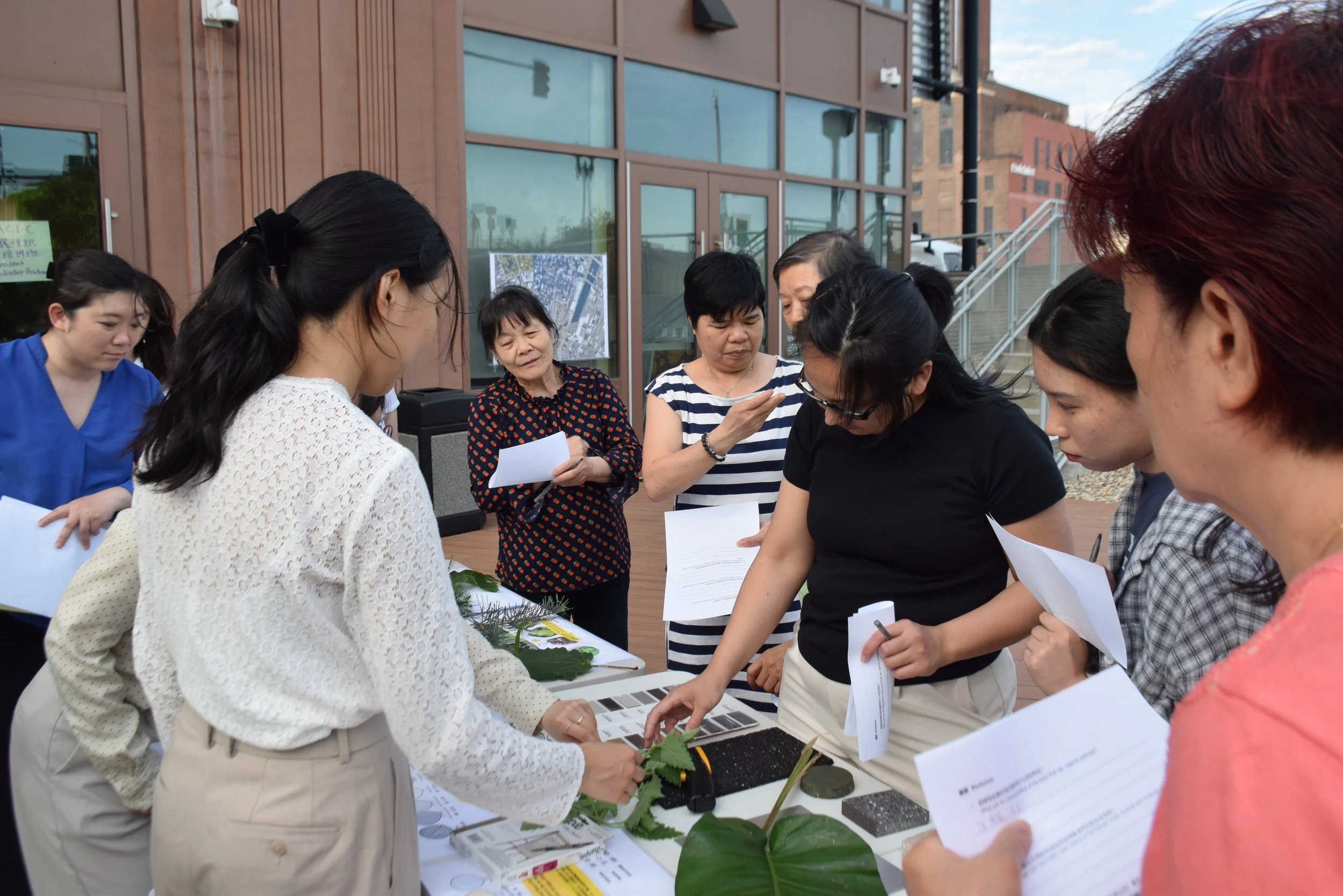
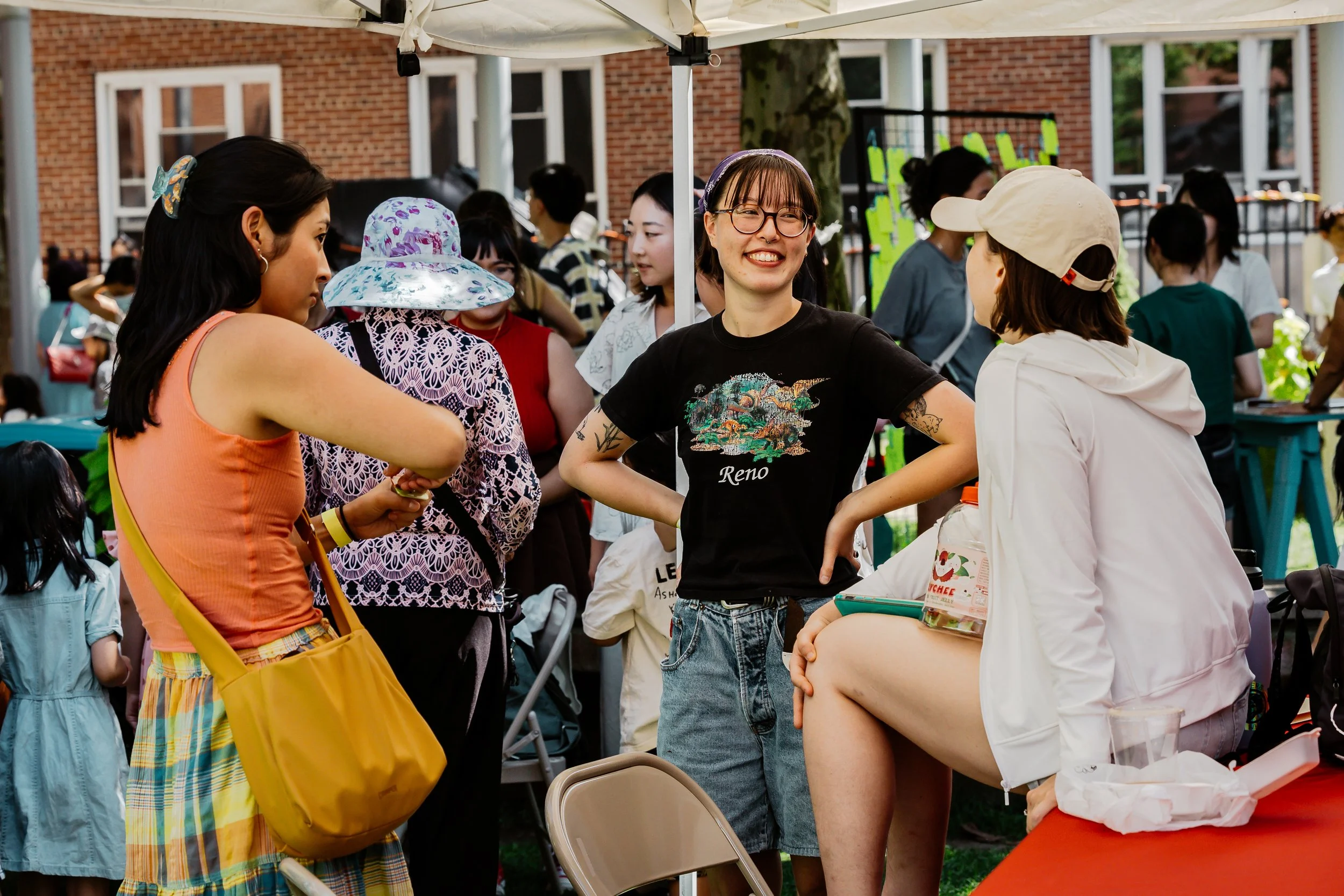
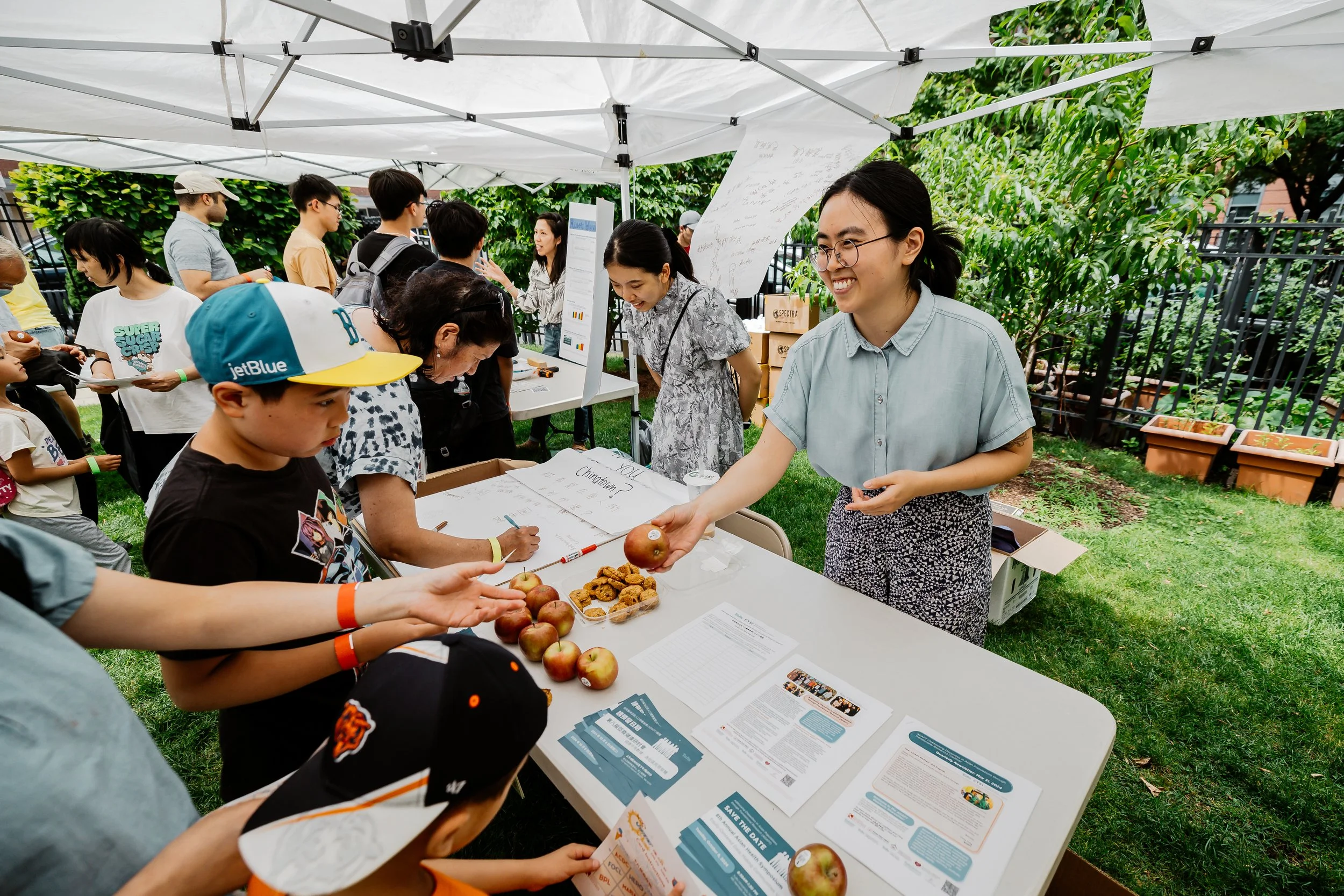
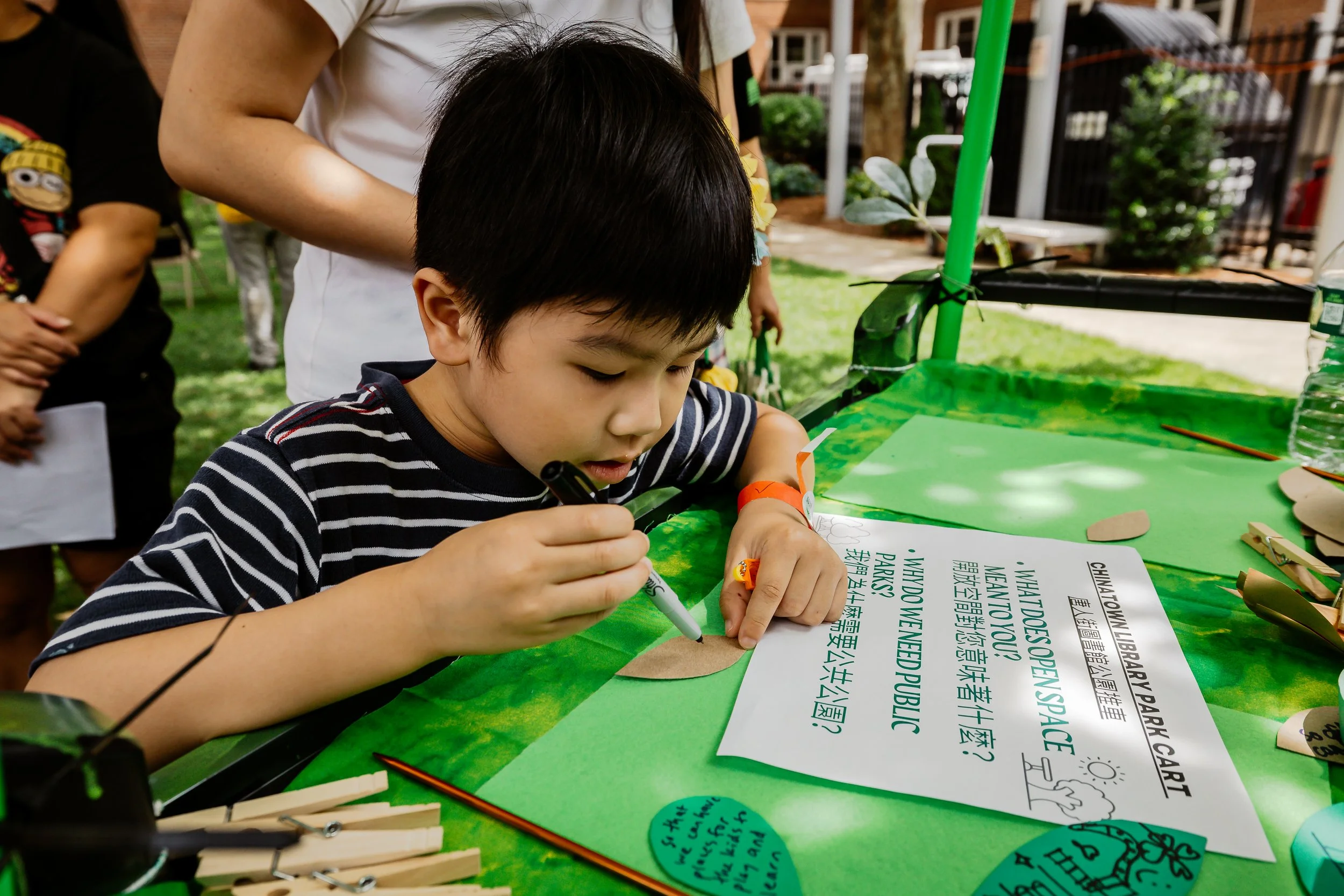
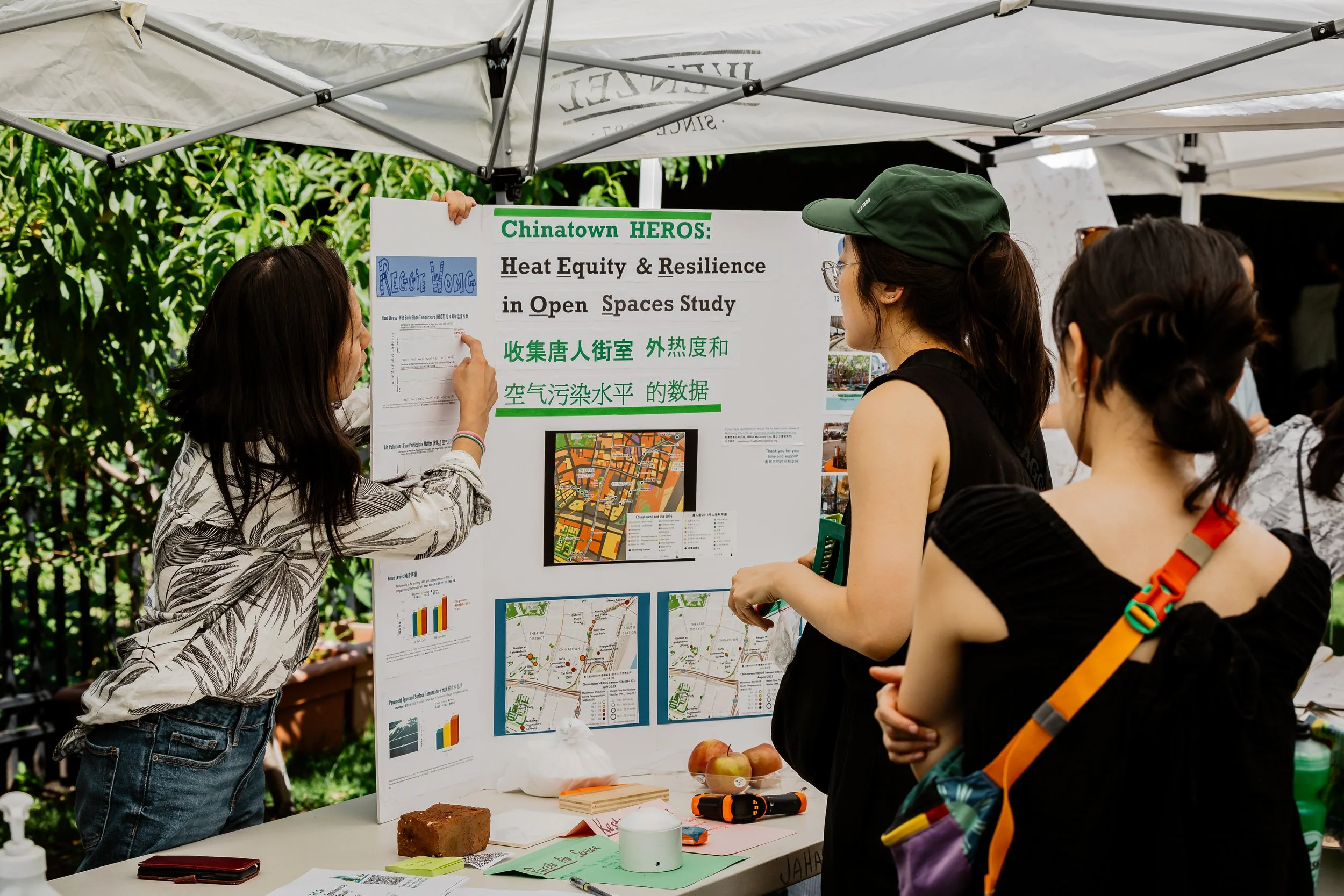
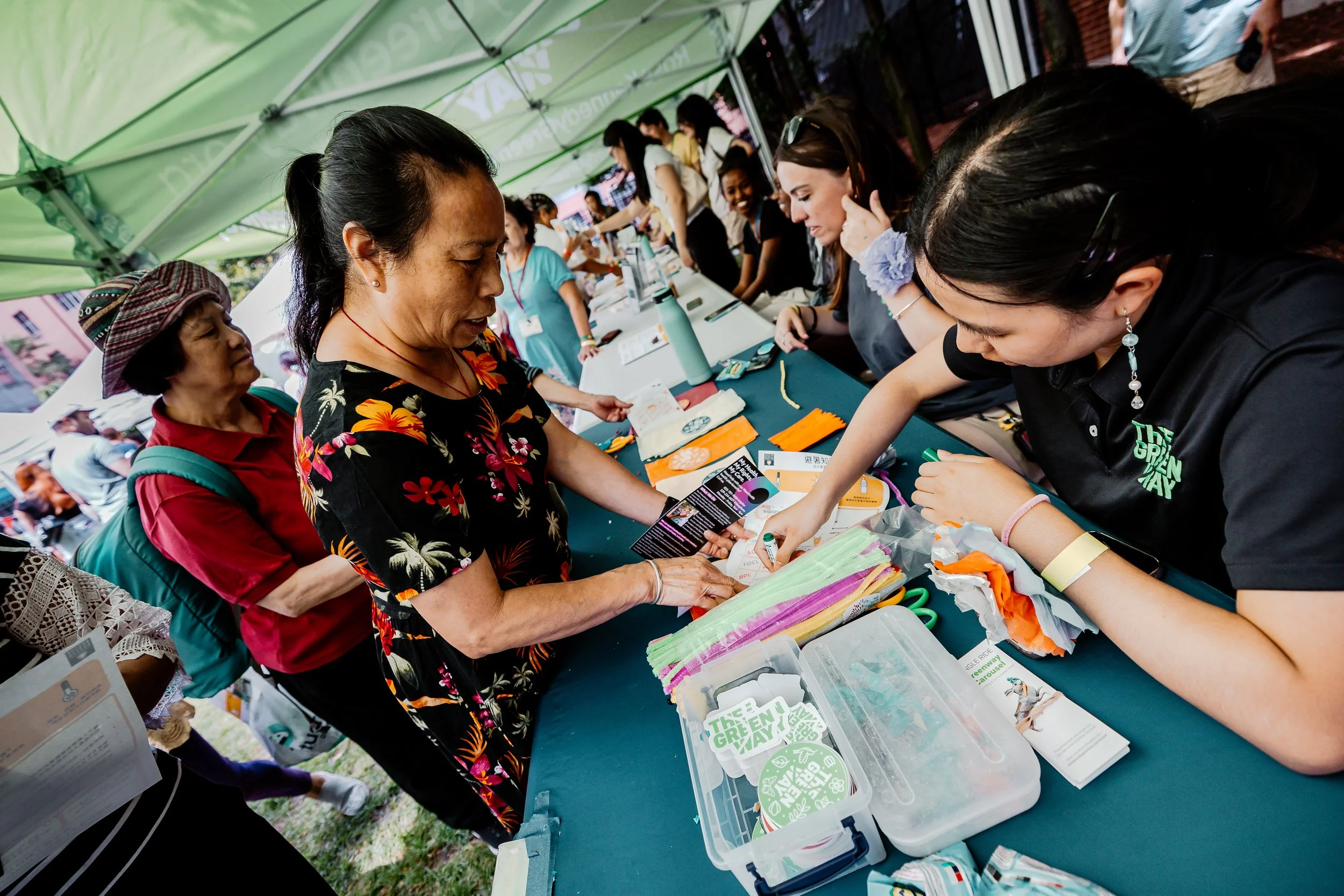
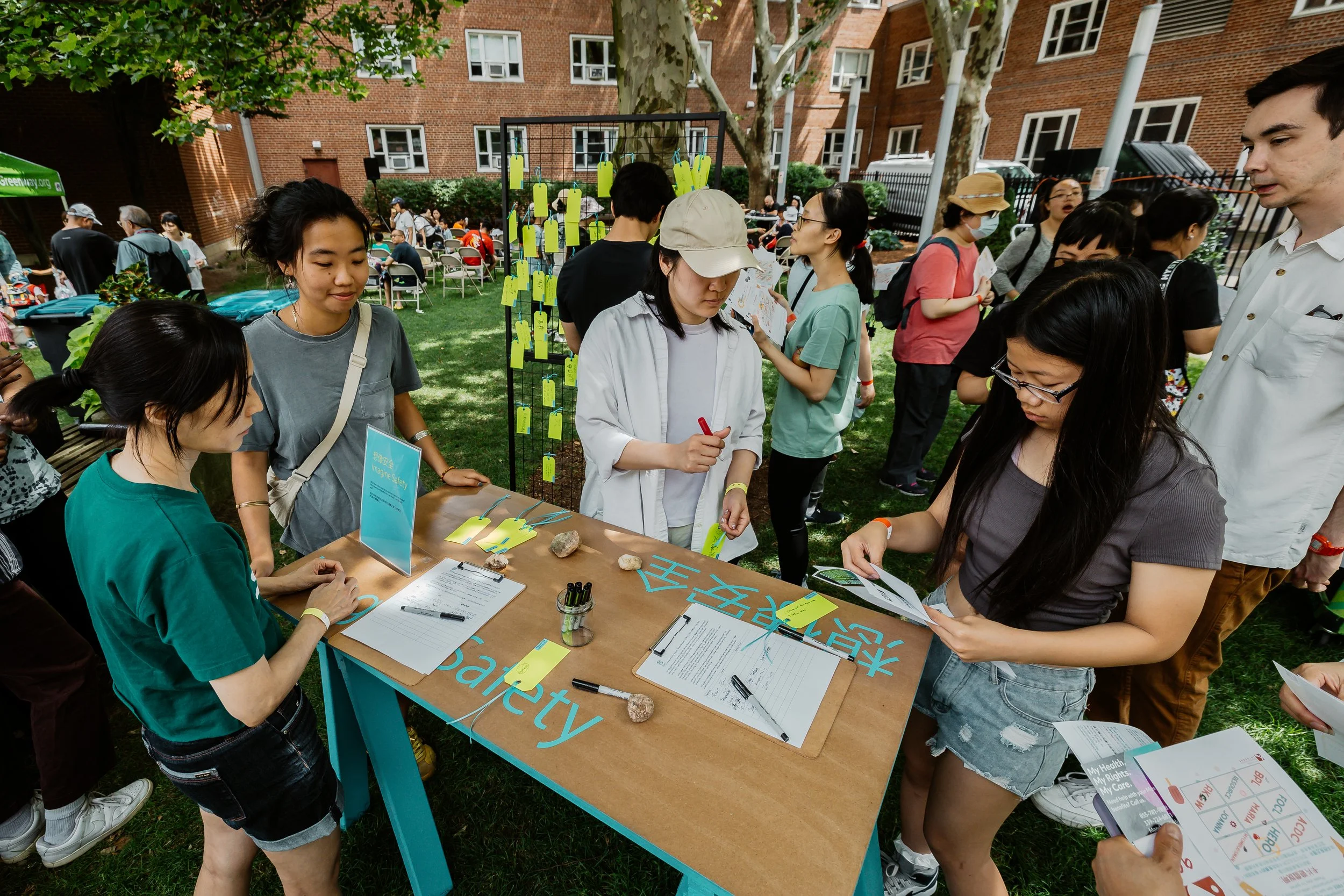
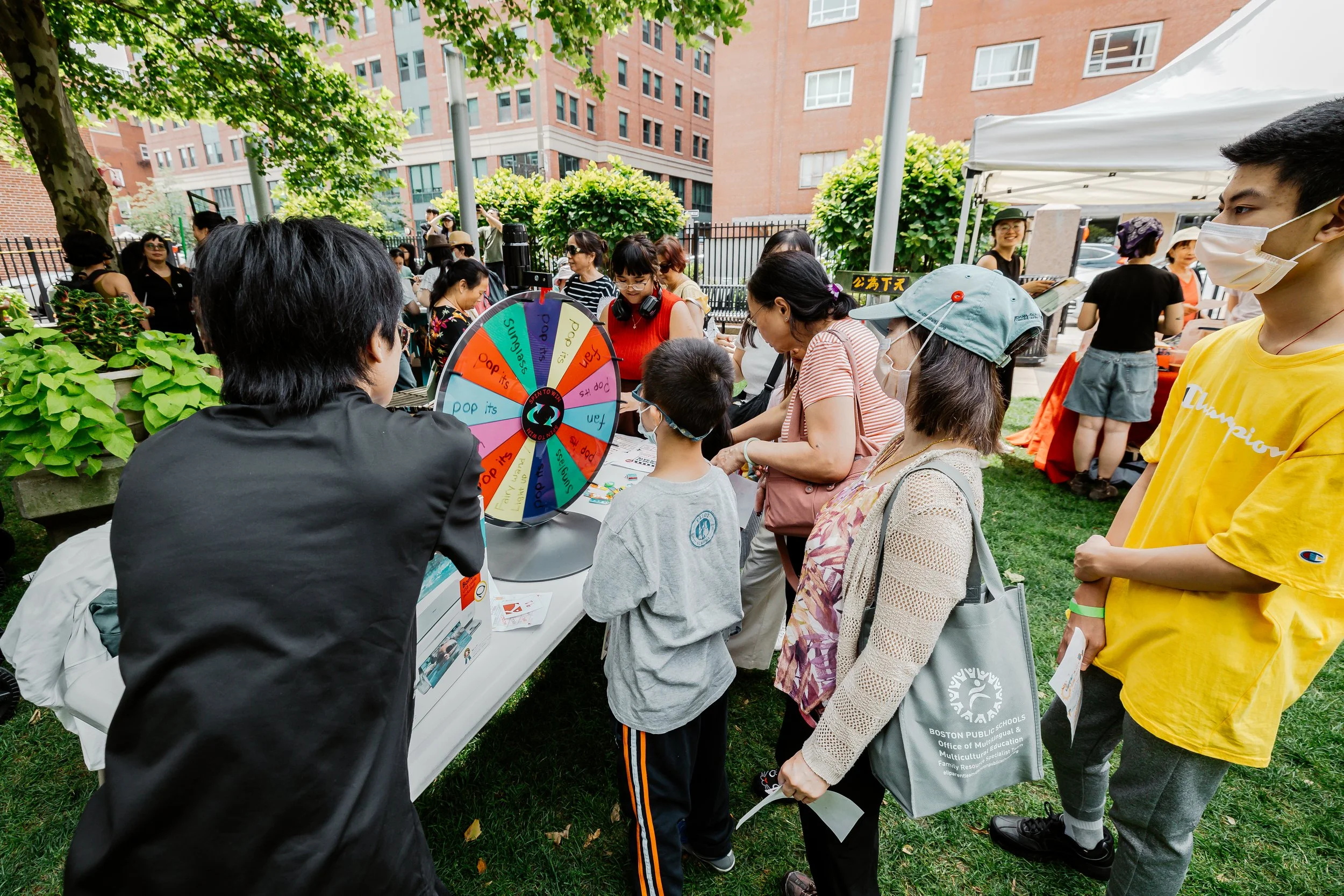
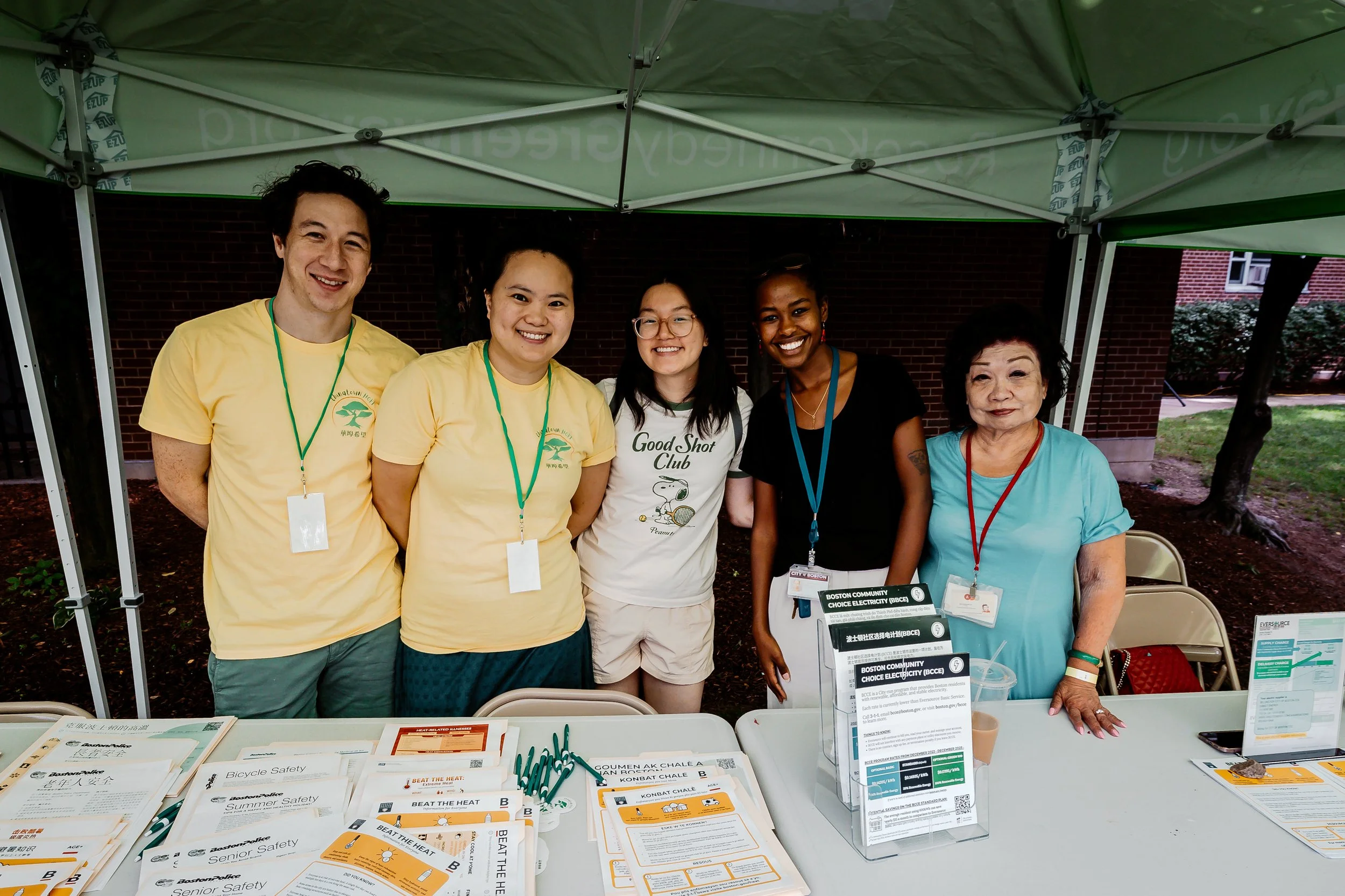
As part of the project, ACDC has hosted the following workshops for the general public: A-VOYCE Youth Workshop (2/29), RLA Workshop (6/5), and the ACDC Chinatown Backyard (7/20)
A-VOYCE Youth Workshop (2/29/23)
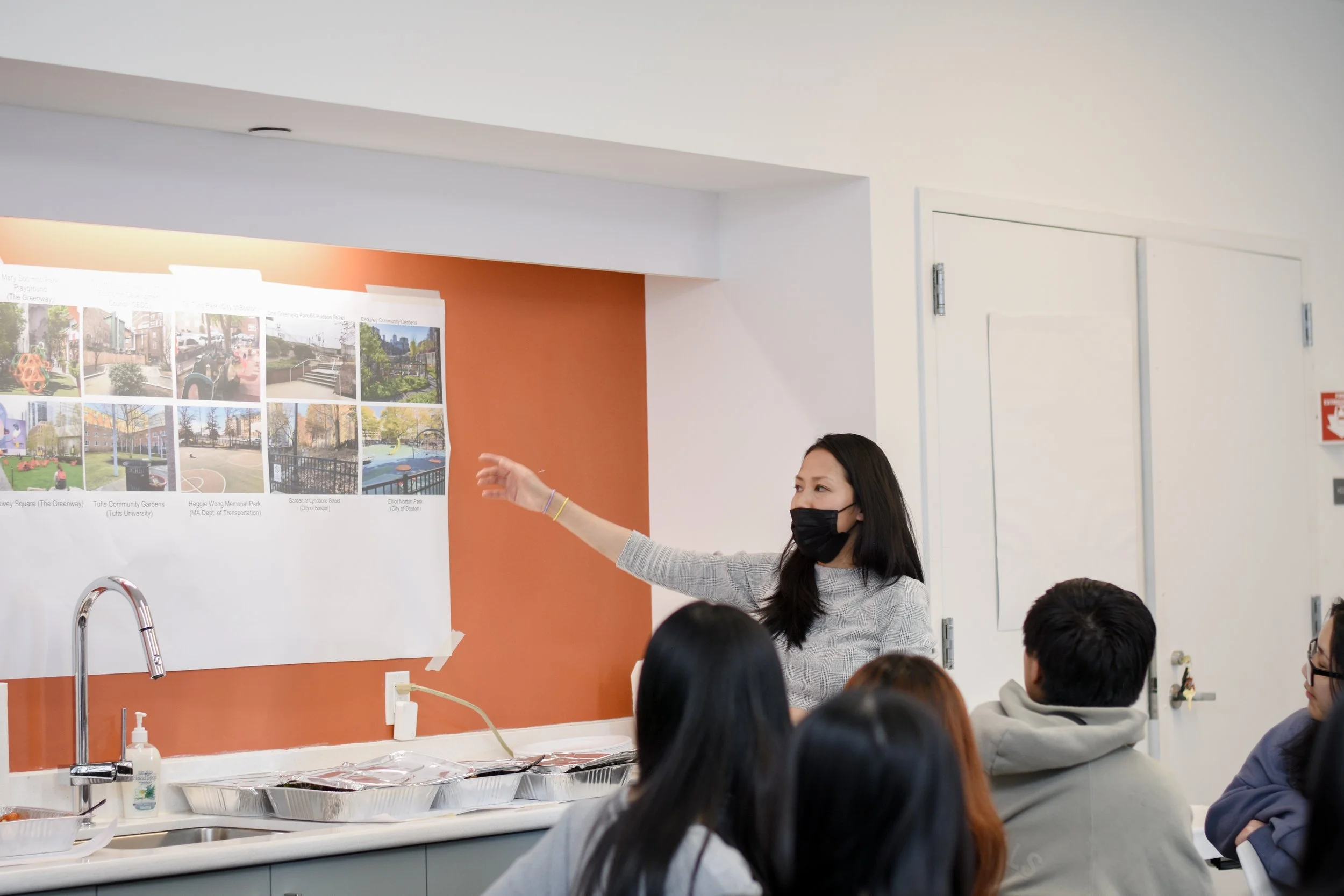
RLA HEROS Workshop (6/5/23)
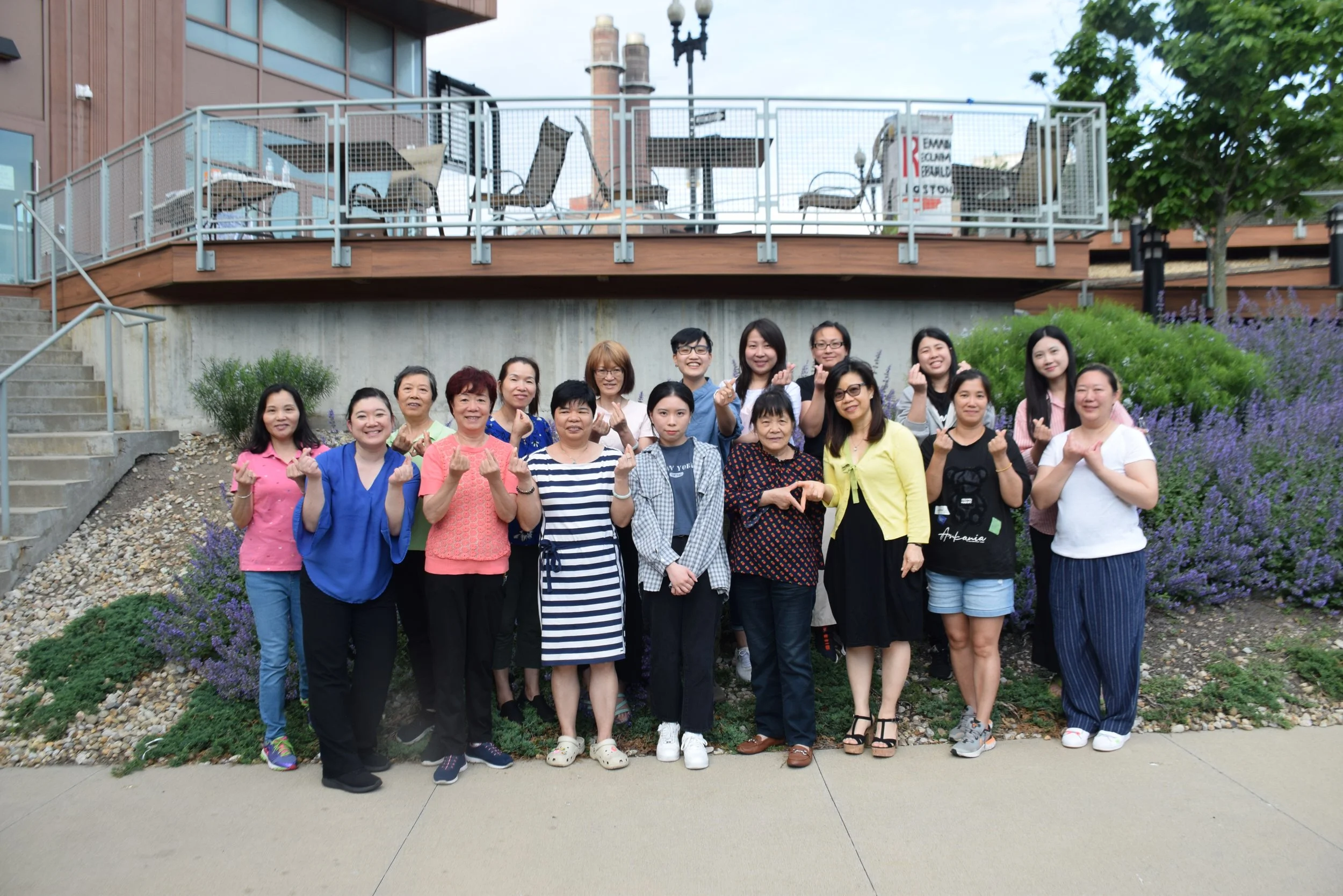
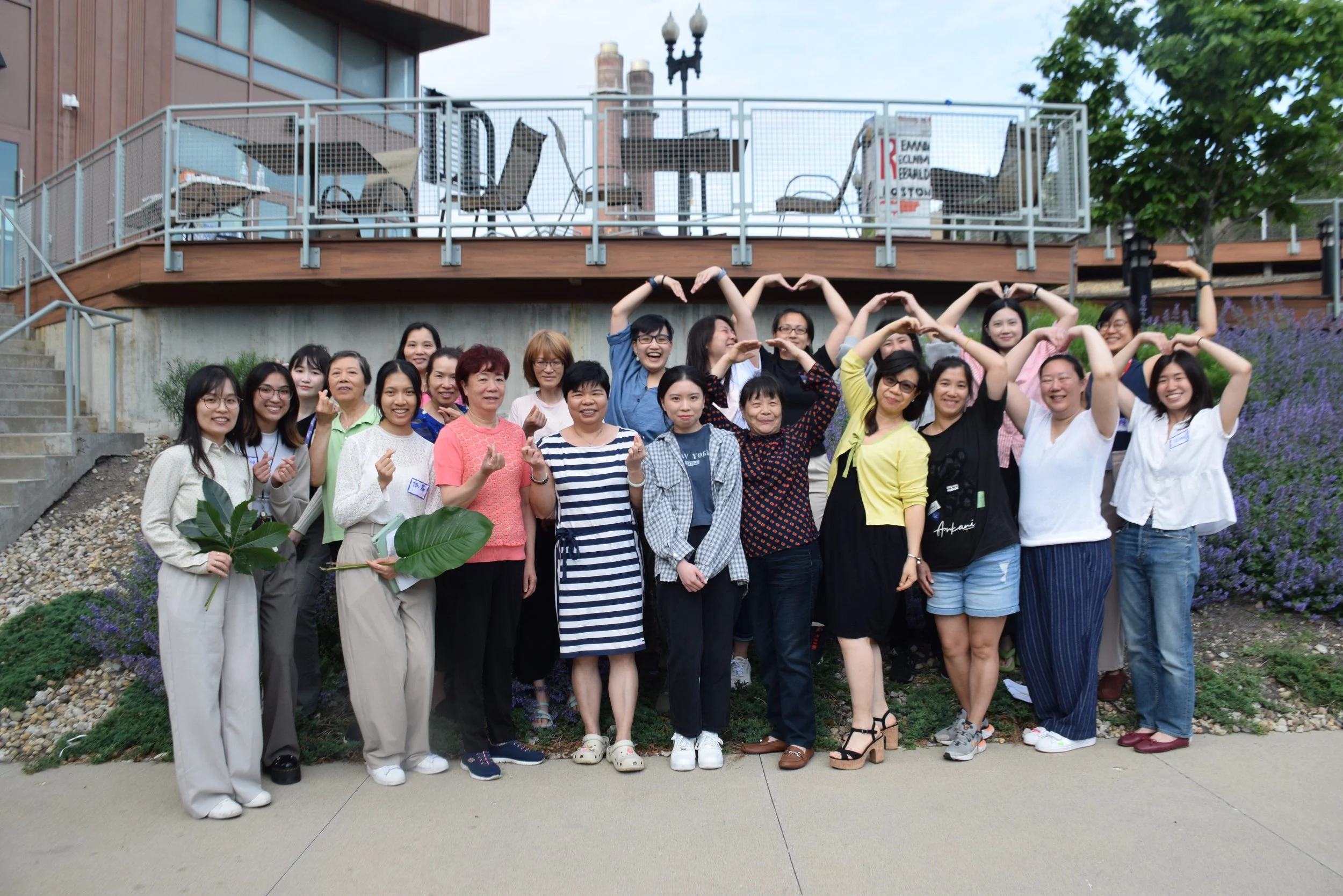
ACDC Chinatown Backyard (7/20/23)
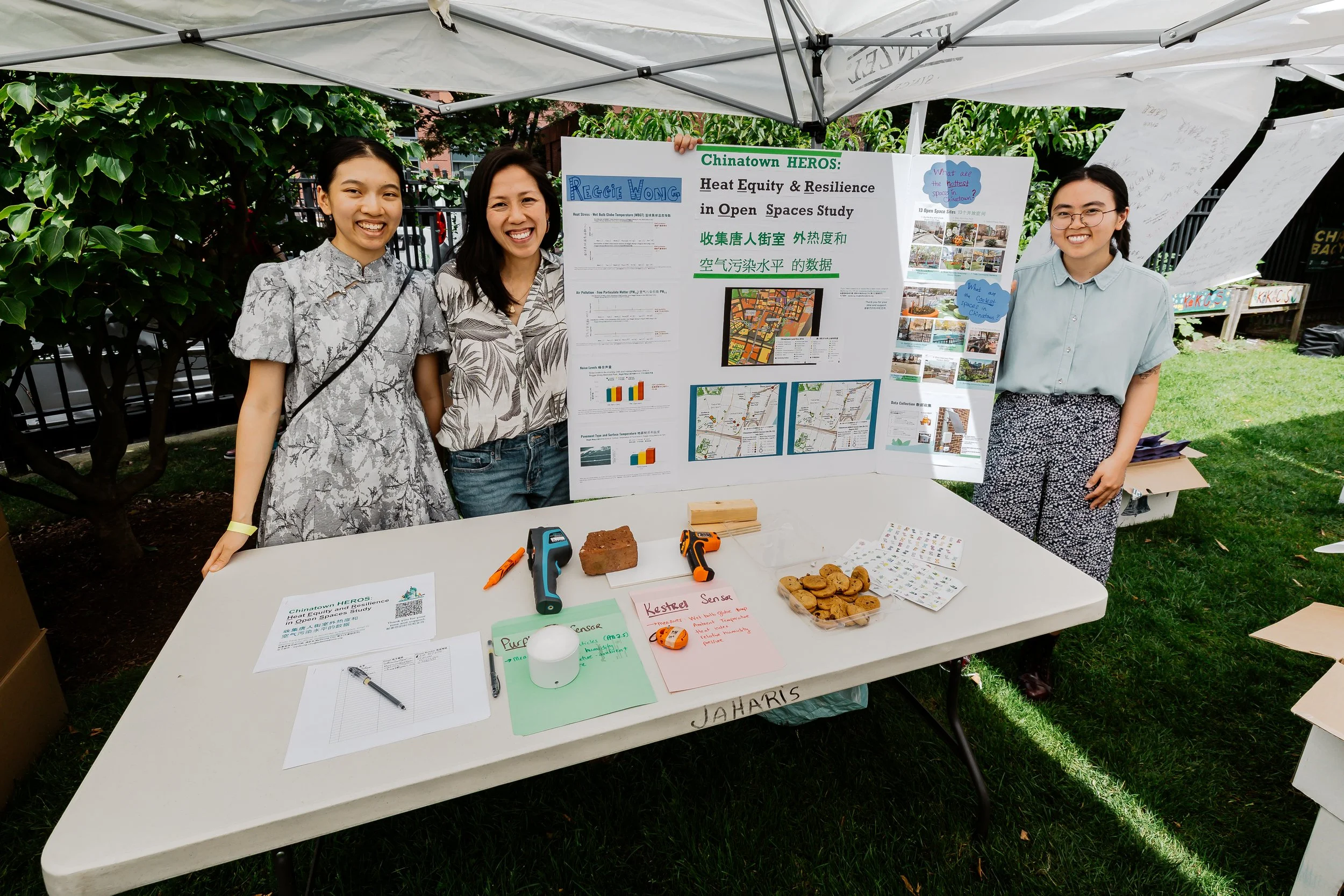
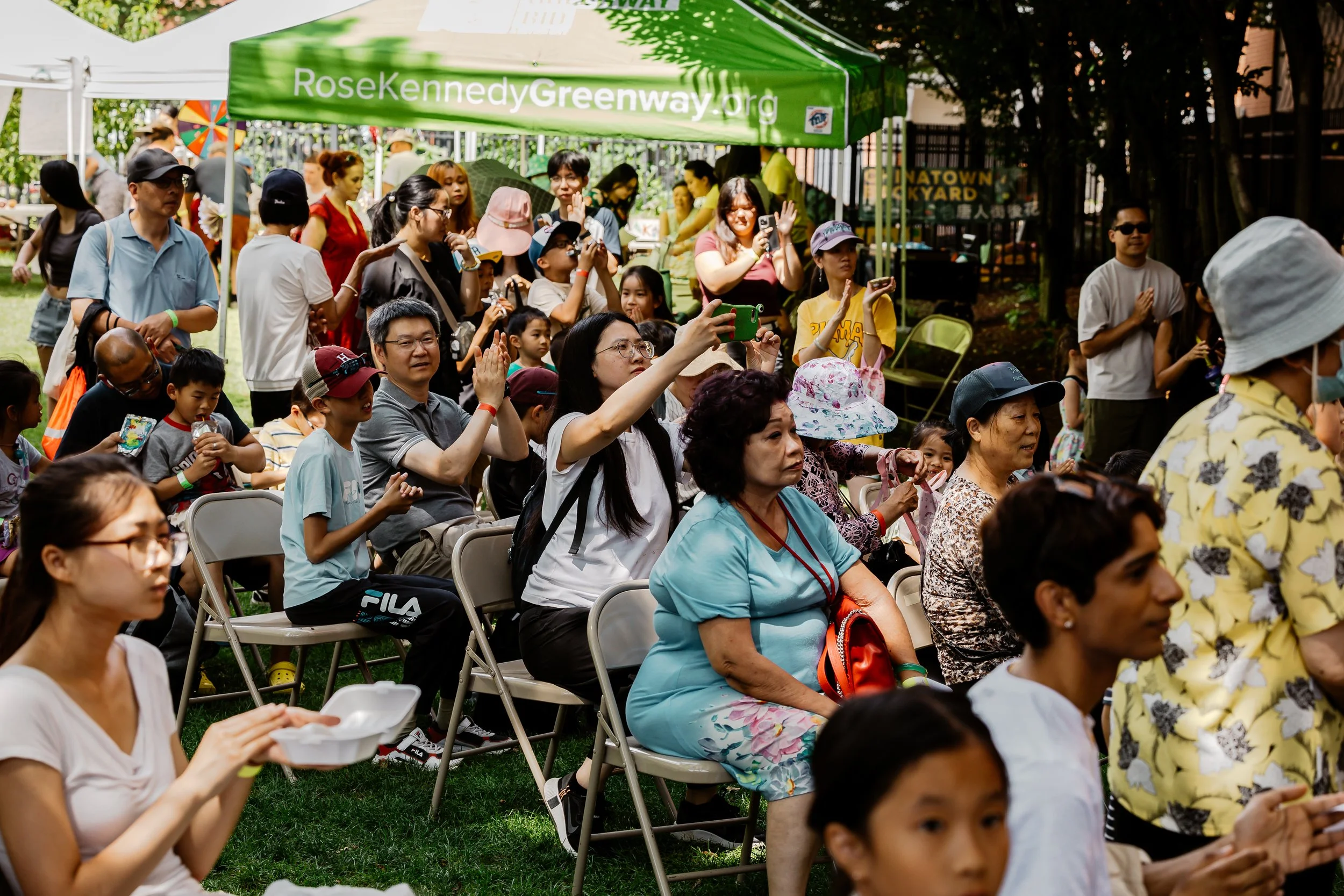
MORE RESOURCES
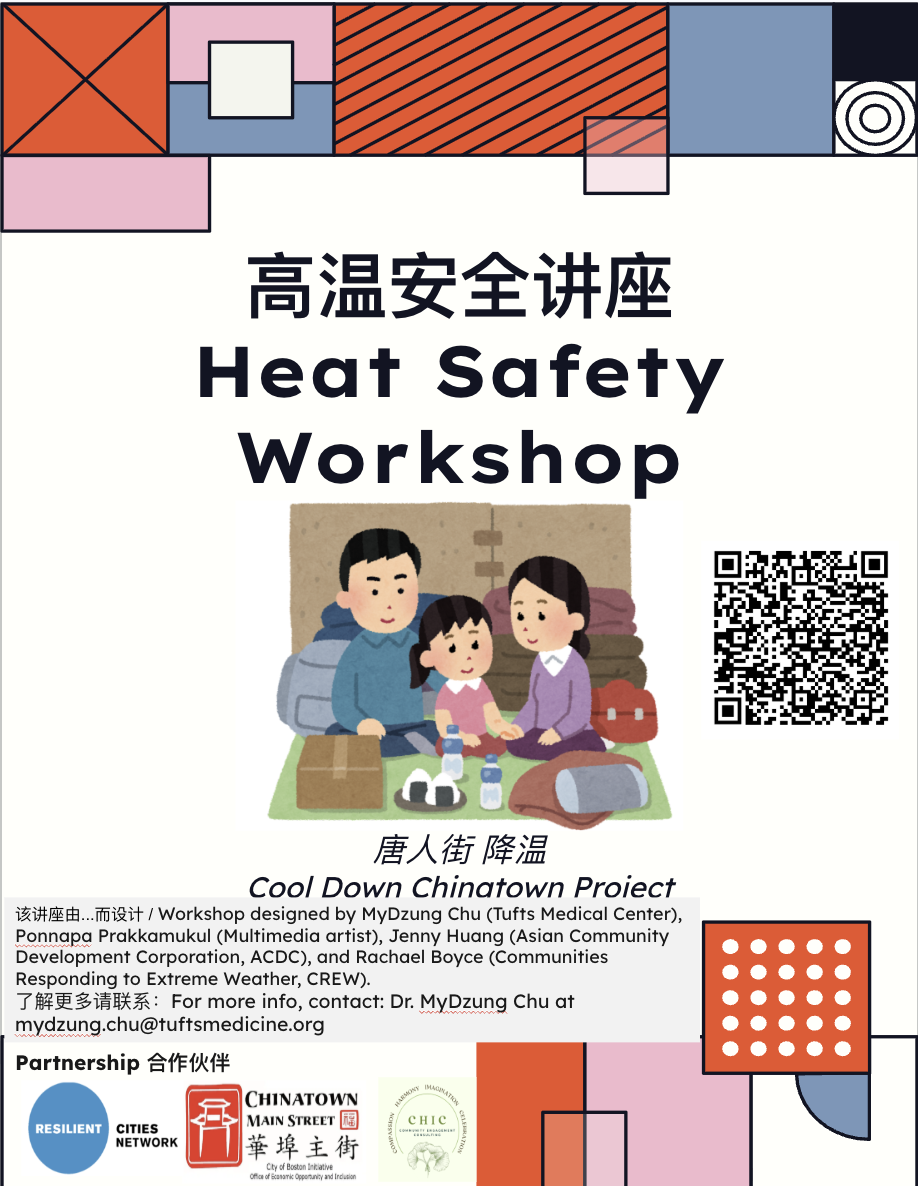
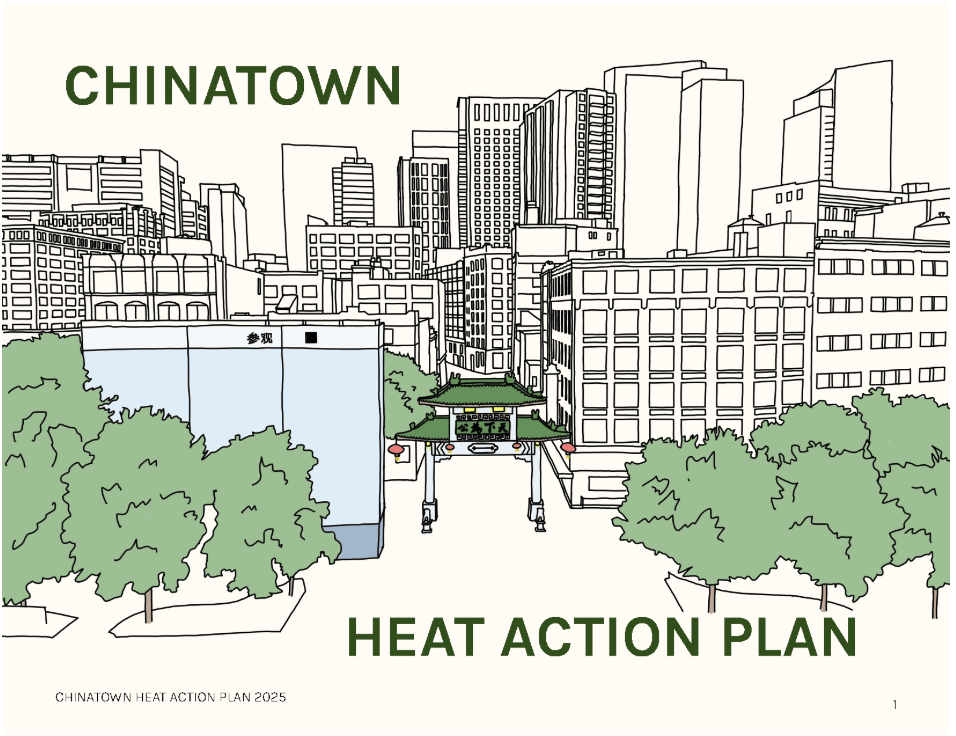
Looking to beat the heat in Boston’s Chinatown? Our team has provided free translated resources for the community.