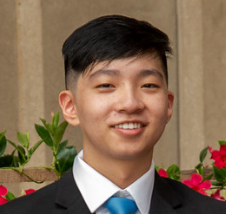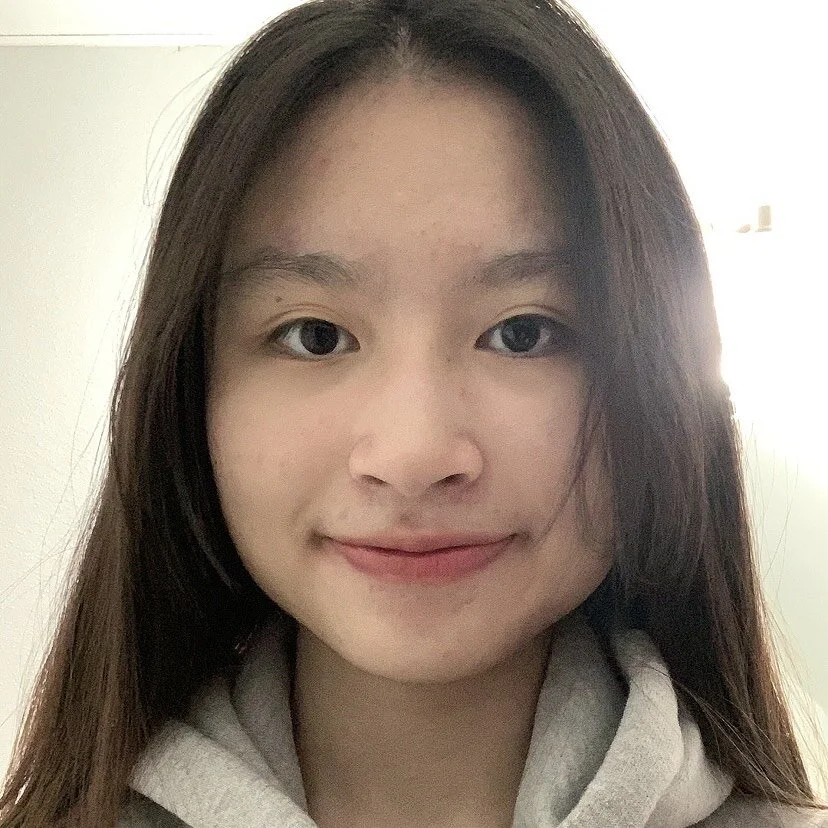
Meet Abby and Calvin

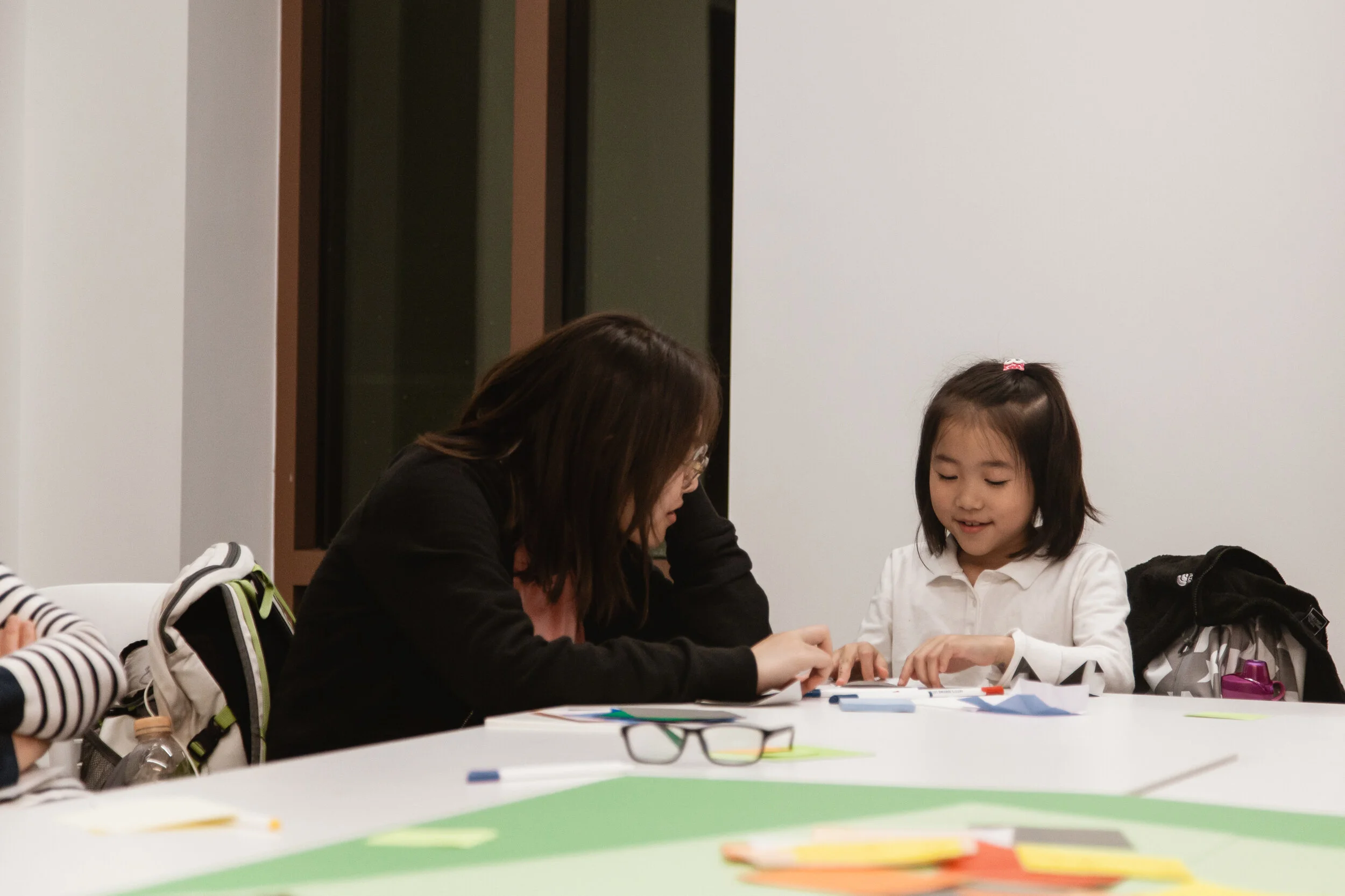
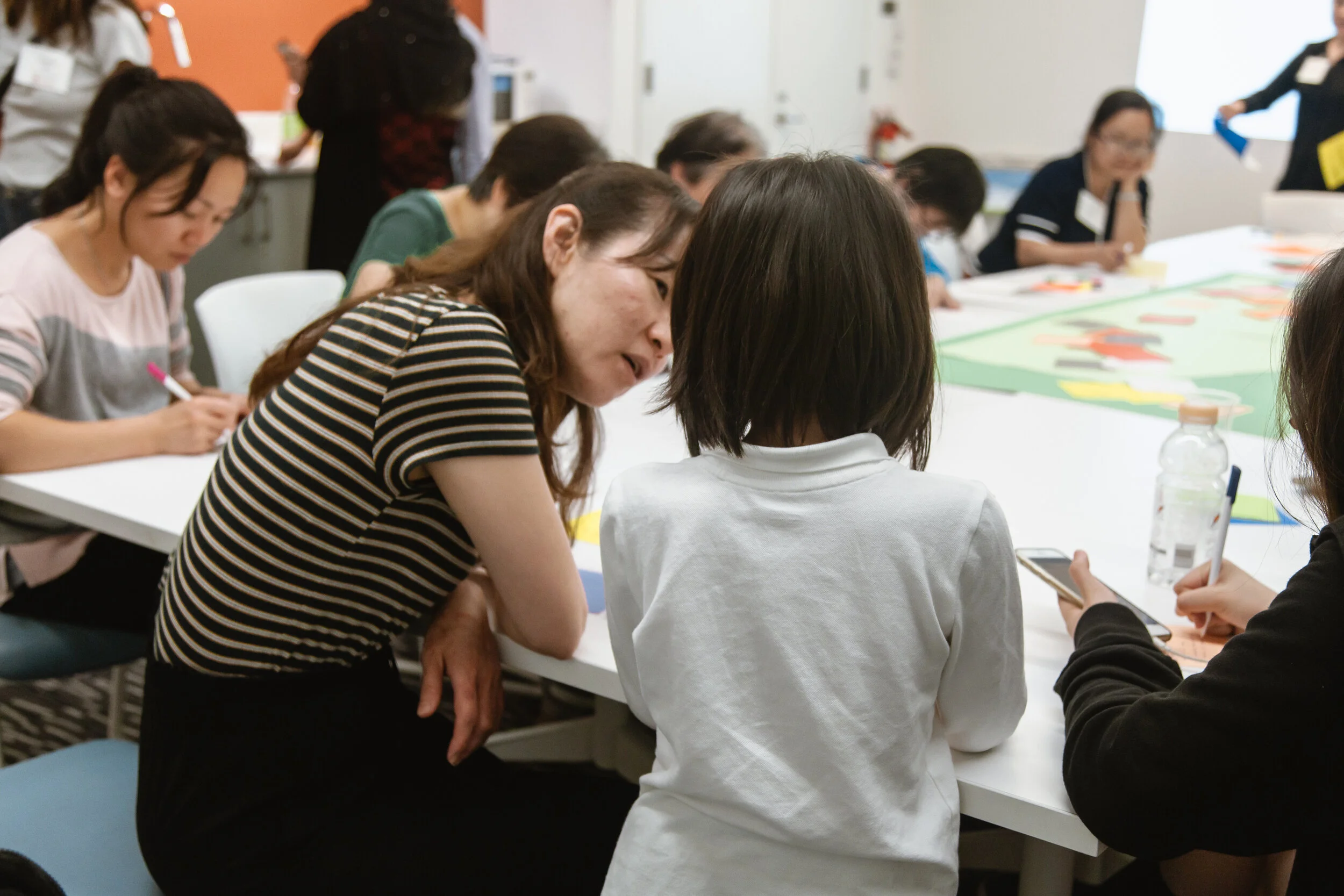
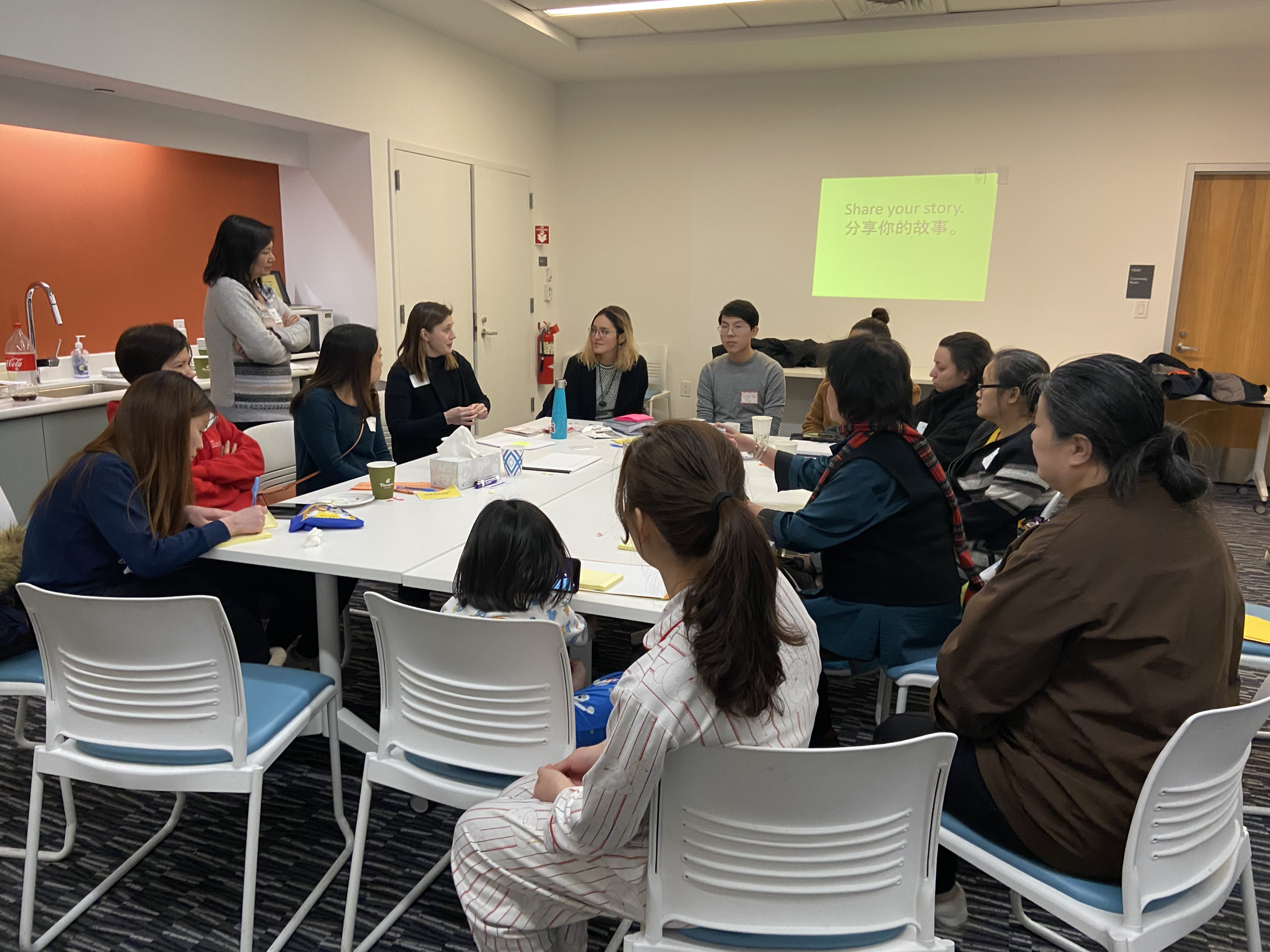
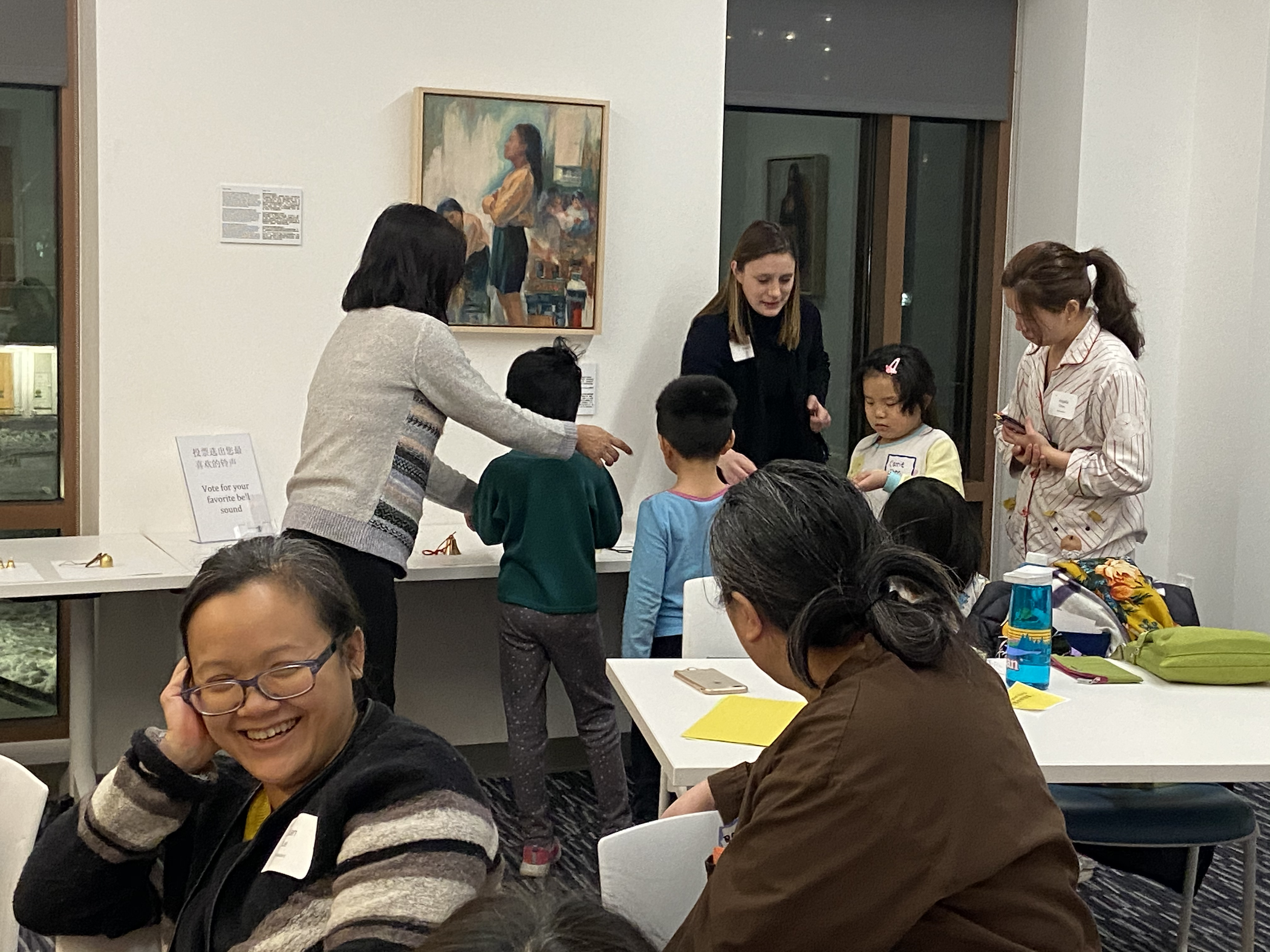
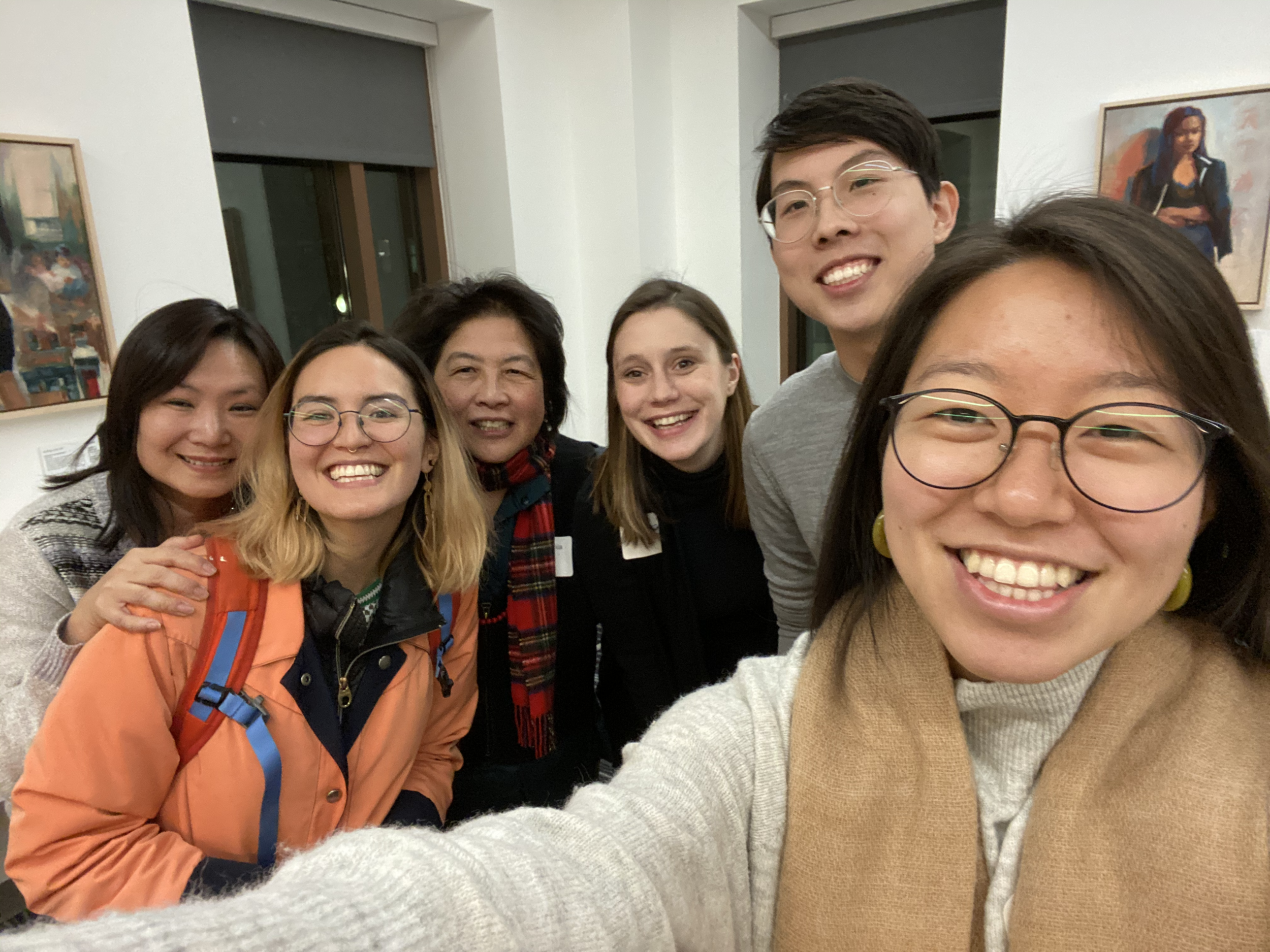
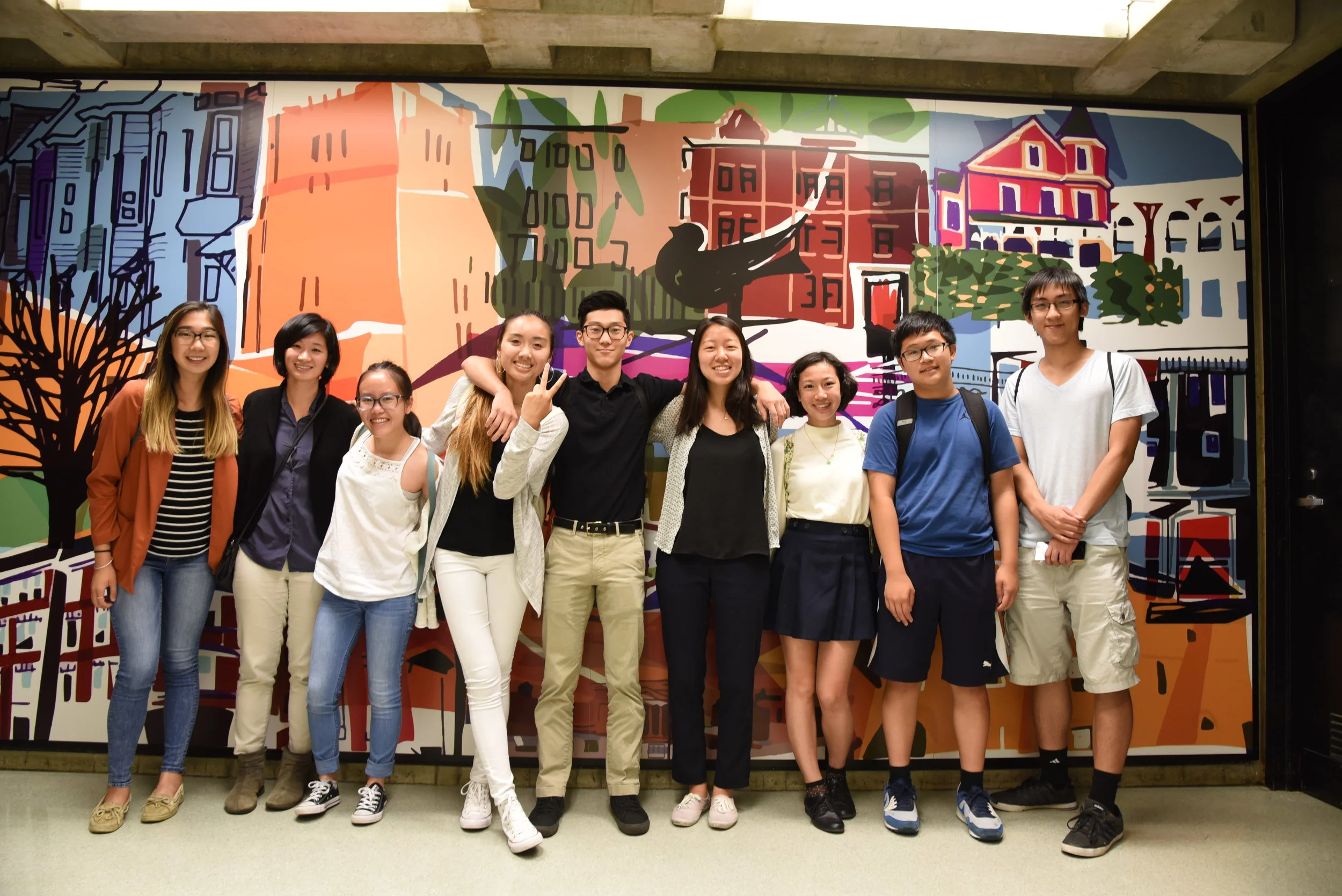
Abby is a rising sophomore at Andover High School and Calvin is a rising junior at Quincy High School. This summer they participated in ACDC’s SLA program along with other youth in the Greater Boston area to learn about Asian communities and experiences.

About Abby and Calvin

What do you like to do in your free time?

Abby: I like to swim, go shopping, and hang out with my friends.

Calvin: I like to play video games and listen to music.

What is your favorite book, movie, or TV show?

Abby: My favorite movie is Another Cinderella Story with Selena Gomez.

Calvin: My favorite movie is CZ12.

What is your favorite traditional food from your culture?

Abby: I’m half Chinese, so from that side of my family I get to eat soup dumplings, which I love.

Calvin: My favorite traditional food from my culture is BBQ pork.

What are some of your favorite places in the city?

Abby: I like going to Quincy Market in Boston and eating at Ocean Prime nearby. That area is probably my favorite place to visit.

Calvin: My favorite places in the city would have to be B-Cafe and Yocha in Quincy.

SLA

How did you learn about SLA? What inspired you to apply to the program?

Abby: My mom learned about SLA through a family friend, and she encouraged me to sign up. I live in a town where kids are mostly white. Through SLA, I could learn more about my cultural background and history, and to meet more Asian people my age.

Calvin: I heard about SLA from my cousin, and my interest in racial justice inspired me to apply to the program.

What are you currently learning about or working on?

Abby: We recently learned about gentrification and community development, with guest speakers sharing their knowledge and insight on these topics. Jung Shen, an A-VOYCE youth alumni, showed us different parts of Chinatown, what Chinatown was like before it became gentrified, and the backstory on changes in the neighborhood. 

Before, I had no clue about what was going on in Chinatown because I just go there to hang out with family or friends, and I never knew the history of the neighborhood. I’m really grateful for learning all of this through SLA.

Calvin: I’m currently learning about how people are being oppressed in society.

What has been your favorite part of SLA so far?

Abby: The breakout rooms where we split up into smaller groups has been my favorite part. I love talking to the other kids about their experience and what they know about Boston.

Calvin: My favorite part of SLA is meeting new people from different places in Massachusetts that I would not have the opportunity to meet without SLA.

What have you learned or gained from collaborating with other SLA youth?

Abby: I learned that even though we don’t live near each other or come from the same families, we have similar experiences. We have similar stories to share. 

Calvin: I’ve learned a lot about why Asians are being targeted for attacks and how this situation should be counteracted.

Did you find that reflecting on your experiences and sharing them through various mediums was beneficial? Why or why not?

Abby: Reflecting on and sharing my experiences has been beneficial because I’m able to realize the depth in my story and expand on who I am as an Asian American.

Calvin: Yes, reflection definitely contributed to my opinions towards different issues.

How have books, movies, TV shows, social media or other forms of media shaped your identity?

Abby: I’m a teenager, so my life revolves around social media and it’s where I get most of my information about the world. Social media feels like a part of my identity because I use it a lot and everyone around me is so active in using it.

Calvin: Through these outlets, I learned what an oppressive society is and showed the big picture of it and long term impacts.

Part of this year’s SLA focus is building your capacity as a creative storyteller. What role do you think storytelling plays in activism?

Abby: I think storytelling informs us about diverse experiences and the human aspect of issues we’re fighting for. The stories we share and document can help us learn how to make positive changes for the community.

Calvin: Storytelling allows for informational and persuasive talk from personal experience.

Why should youth be involved in conversations about social issues? What makes the youth perspective important?

Abby: Youth are the future. Those who are adults now won’t be around as long as we will. Young people have a different perspective compared to older generations because what’s going on now will continue to impact us as we get older. We aren’t just watching from the margins - we have a stake in this fight, too.

Calvin: Young people should be involved in these conversations because they are the future generation that will shape how society will be. The youth perspective is unique because they have access to advanced technology, which makes sharing information easier.

Do you think some institutions have disadvantaged certain communities? If so, what can be done to address this?

Abby: I think some institutions definitely do give certain communities disadvantages. I think we should fight back, explain why, and just fight until the change happens because change doesn’t happen overnight.

Calvin: Yes, and sharing about this will increase awareness.
2021 Residence Lab: Community Care

Part 1: Introducing Residence Lab 2021

By Qing Qing Pan, originally published on Pao Arts Center’s website.

Hello, my name is Qing Qing, and I am one of Pao Art Center’s summer interns. For the past few months, I have had the honor to provide Mandarin interpretation for and document the 2021 Residence Lab (ResLab) cohort’s journey in their co-creating.  

These artists and residents have been busy! This year’s cohort is made up of three teams of Boston-based artists and Chinatown residents, who have been invited to combine their artistic creativity and neighborhood expertise to re-imagine Boston Chinatown. Each team has drawn inspiration from this year’s theme of collective care to create their site specific installations. Their projects will be on view at Mary Soo Hoo Park at the Rose Kennedy Greenway throughout the month of September, in partnership with the Greenway Conservancy. As teams finalize designs and start building the installations, this blog will serve to document their journey through the activation. Take a peek at what is to come for our ResLab kick-off on August 27th!

Residence Lab is a partnership between Pao Arts Center and Asian Community Development Corporation (ACDC) to empower and train artists and residents to collectively preserve the Chinatown community through creative and artistic space activation.

IMG_2238.png

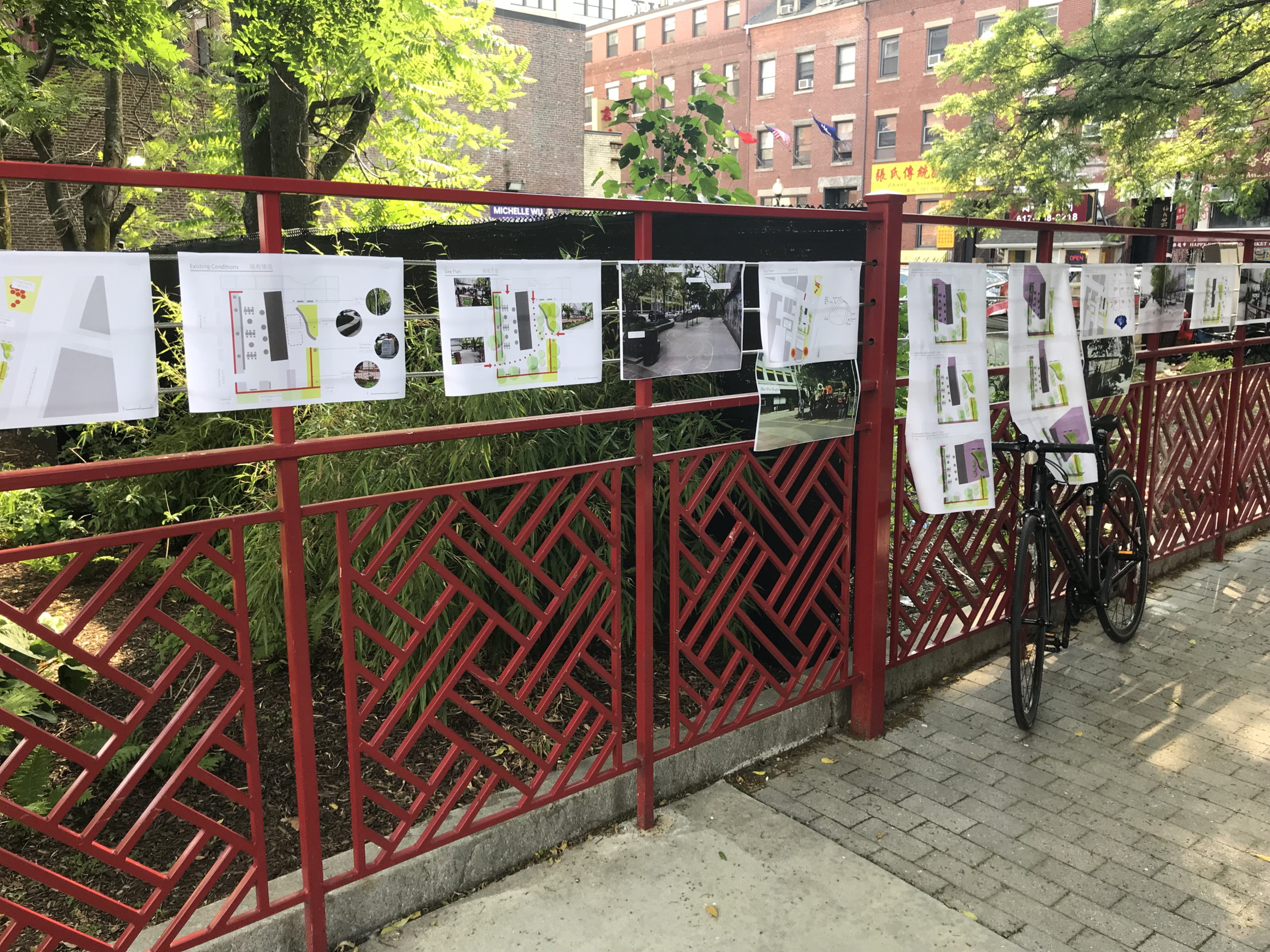
Caption: In their first in-person workshop, artists and residents learned more about the geography and physical space of Mary Soo Hoo Park.

Image description: The red fence at Mary Soo Hoo Park on a sunny Saturday evening on June 5th, with a row of photos and maps of the park taped and hanging across it. Photo Credit: Qing Qing Pan.


Blog Photo 2.png

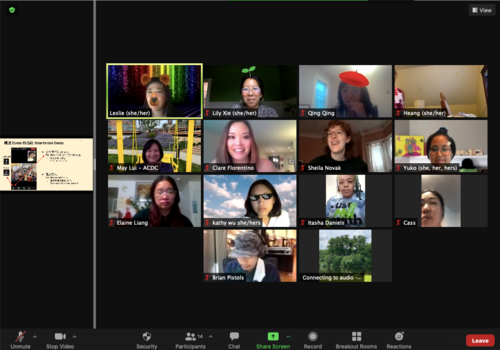
Caption: To liven up the energy, ResLab artists and facilitators “dress up” for an impromptu dance party with virtual filters! 

Image description: Screencap of ResLab virtual workshop on July 9th. Featured are the 2021 Residence Lab cohort, wearing various goofy Zoom filters, such as a red beret, pixelated sunglasses, and furry bear face.


Blog Photo 3.png

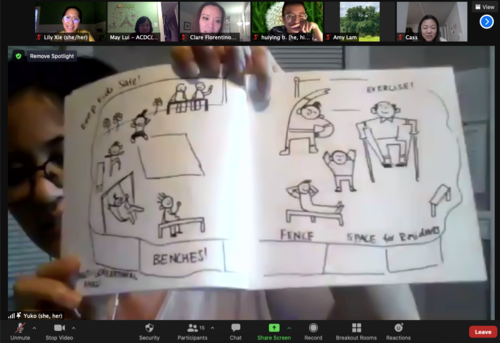
Screencap of Residence Lab’s 2nd virtual workshop on May 21st, spotlighting ResLab artist Yuko sharing her drawing for a prompt with the rest of the group. Her drawing features smiling people exercising and playing around, with labeled open space for residents, fences, exercise equipment, and benches.


Blog Photo 4.jpg

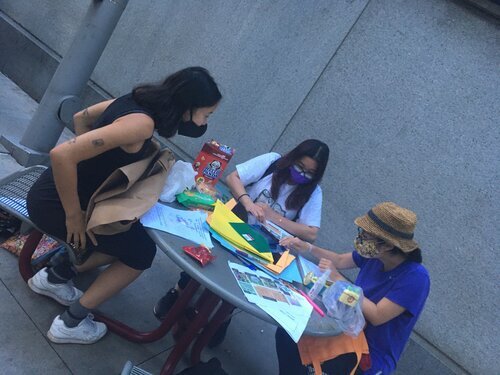
Three ResLab participants sit at a table in Mary Soo Hoo Park, covered in papers, pens, and bags of snacks. They discuss their design proposals together. Photo Credit: Qing Qing Pan.

This post is part of a series dedicated to Residence Lab’s 2021 program. Click here to read more.

Meet the Artist: Gianna Stewart

Interviewed by Christine Nguyen and edited for clarity by Cathy Ching.

I’ve always loved visiting Chinatown and the energy of it. After this project, I realized that it was a community of activists, artists, and families.
— Gianna Stewart
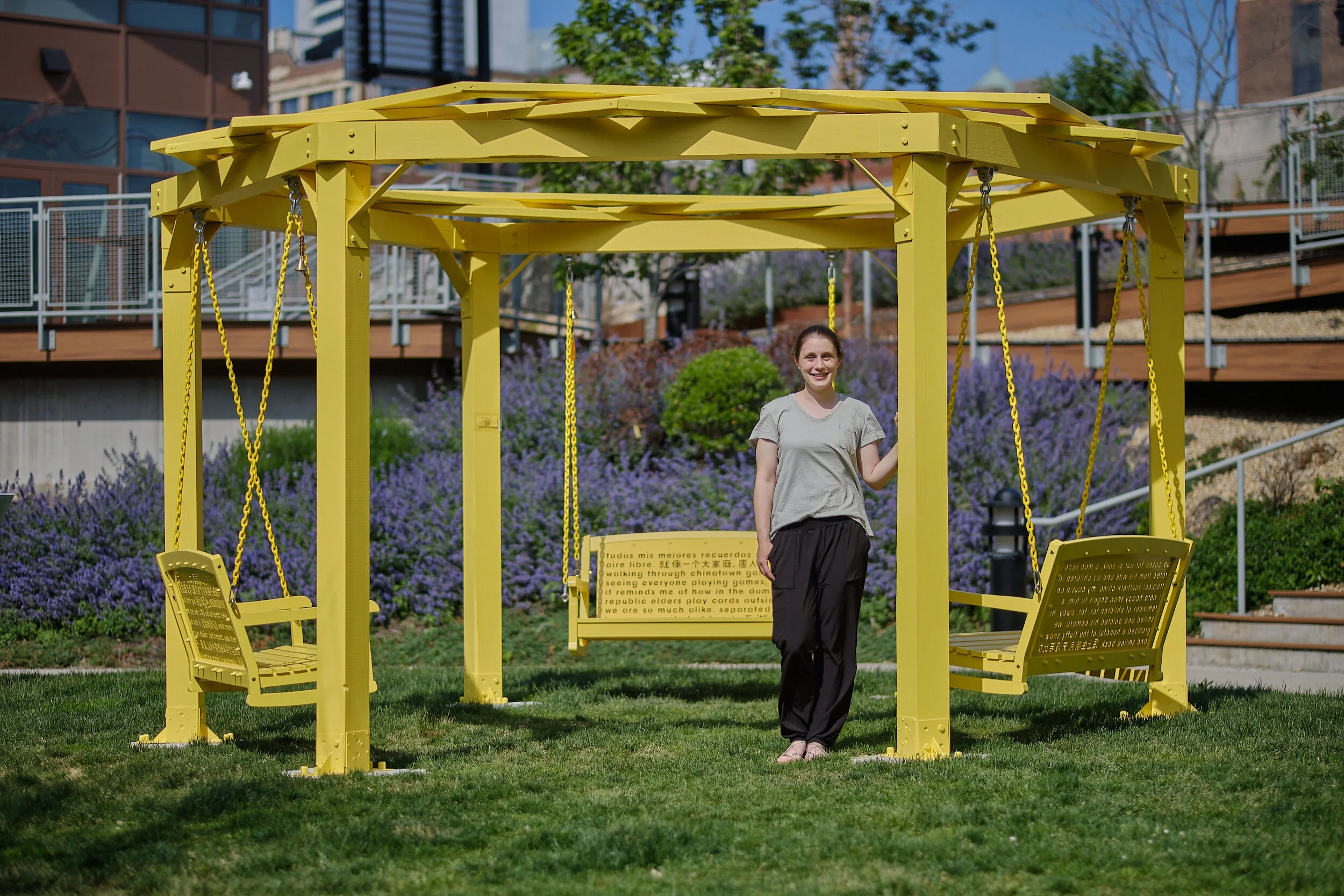
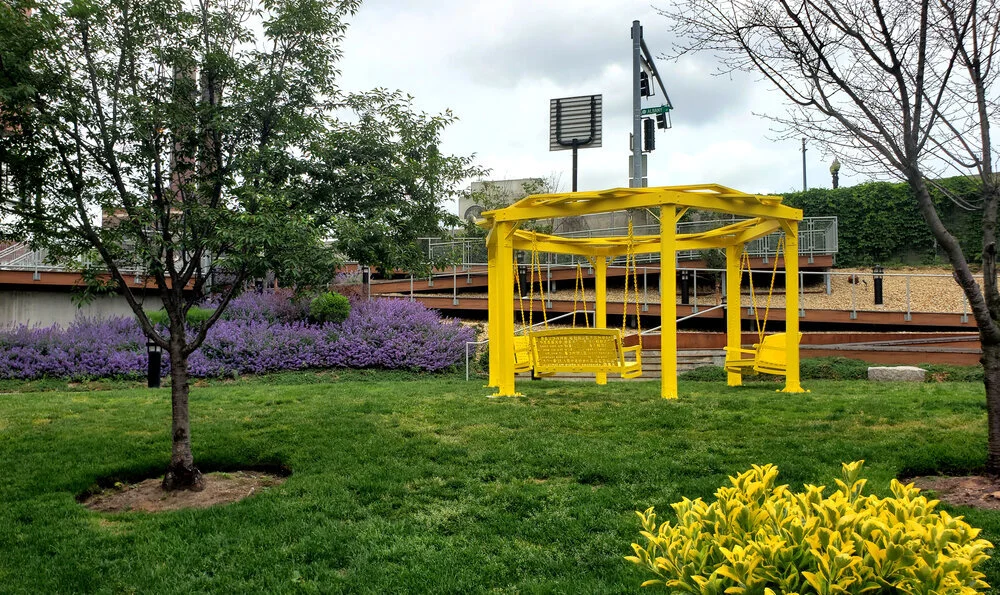
Gianna Stewart, creator of Hudson Street Stoop: Storytell and Sway

Gianna Stewart, creator of Hudson Street Stoop: Storytell and Sway

ACDC’s public art initiative, Hudson Street Stoop, engages Chinatown residents and local artists to create interactive, rotating public art installations every 18 months. In ACDC’s efforts to fight against gentrification, Hudson Street Stoop is a site-specific project in One Greenway Park that aims to honor the rich history of Boston’s Chinatown, amplify resident voices, and foster an inclusive space for everyone.

Hudson Street Stoop’s inaugural installation, Storytell & Sway by Gianna Stewart, opened in Chinatown in June 2021. Although Gianna’s proposal was selected in December of 2019, the project had to be put on hold for about a year because of COVID restrictions. When it came time to resume the installation process, a large team came together to help make Storytell & Sway possible: Riverdrive Designs, URSA Plasma, Surfzone Engineering, Central Mass Powder Coating, VMT Construction, Steve, Tim, and Monica, and Bill, Chris, and Edwin of Toledo Construction.

Growing up, Gianna has always embraced her artistic side and fondly recalls drawing with family members. Gianna especially looks up to her grandfather as a creative inspiration, who draws and makes art with wood burning, which involves creating a design on wood with an electrically heated tool. In addition to creating art, Gianna enjoys being outdoors. Intertwining her two passions, Gianna created the vibrant Storytell & Sway as a visually stunning artwork, as well as a place for individuals and families to connect and enjoy the outdoors.

About Gianna

How did you get into public art?

My first public art piece was called Toll With Me. It involved hanging thousands of bells on a chain link fence. After that experience, I was totally hooked because the installation allowed me to observe interactions of anyone walking by, their impressions of the art, and I found that everyone feels ownership when something is in the public. It was such a different experience than creating something for a wall in a gallery. It made me realize that this is what I want to do.

What do you enjoy about creating public art? What can be frustrating?

Public art is site-specific. A piece grows from the site that it’s for, which I find exciting. Anything that you do in public art tends to be something that hasn’t been done in that way before which is exciting too, but you have to find the right people to talk to to ask the right questions to make things happen. I think the pace of figuring all that out is a challenge.

What types of projects are you drawn to or enjoy doing most?

Any place that’s going to have people. I’ve had the chance to do stuff that’s a little more out of the way too where it feels like you’re responding more strictly to the site and less to the viewers who are going to be around it all the time. I think places that are more active are definitely of interest.

A video from the Hudson Street Stoop crowdfunding campaign to support free, community programming.

About Hudson Street Stoop

How did you come up with the idea of Storytell & Sway?

The process for the call for artists was really wonderful. It gave short-listed artists the opportunity to have a community input session and hear from residents what they wanted to see in their park [on Hudson Street]. The main takeaway from that event was people wanted a space where they could play - both kids and adults. There was a lot of talk about how it was mostly a space for dog owners and they wanted a way to intervene in that somehow - to still have it be for dog owners but also be family-oriented.

I mulled over these considerations, and while researching, I read Cynthia Yee’s stories on Hudson Street Chronicles that describe the Hudson Street that existed before the highway was built. It sounded like Hudson was the front porch of Chinatown. Something clicked. I loved swinging on my front porch swing as a kid and thought that’s what was needed to draw people to the grass.

Gianna collaborating with Chinatown residents, shown below.

How did you choose the color yellow for Storytell & Sway?

When I first saw [the park], it was a time of year when it was really gray and I thought, it needs something bright, something that draws you in. And, there’s also the cool vantage point of anyone in apartments higher up looking down on the piece. The thought was to evoke a sunflower popping out of the grass.

Where did the idea to inscribe resident stories and quotes come from? 

The idea to put words into the benches developed as it became a place for storytelling. Cynthia Woo at Pao Arts connected me with Cynthia Yee who of course has amazing stories like the Hudson Street Chronicles. We chatted and had this idea that she would help facilitate storytelling sessions with folks who currently live on Hudson Street. So many neighbors that live on Hudson Street came out and were incredibly generous volunteering their time, sharing their stories, knowing that they would be used for the piece. Volunteers including Crystal Bi, Lily Xie, and A-VOYCE Youth helped document the stories. Tidbits from those stories were selected for the benches. I really wanted the benches to have this sense of enveloping the viewer in stories- like when we were all in that room together, hearing overlapping languages and timelines.

What were some challenges of this process?

We were ready to go last spring and everything just had to pause. We didn’t realize it would be an entire year that we would pause but it was. It kind of worked out because when we picked it back up, the world started to be opening a little bit more, with an emphasis on outdoor activities, and the benches were spaced for social distancing. “A pause is needed” was a tough conversation but a really important one to have.

Hudson Street Stoop: Storytell and Sway

Hudson Street Stoop: Storytell and Sway

On Chinatown

What was your previous impression of the neighborhood? How has it changed since making Storytell & Sway?

I’ve always loved visiting Chinatown and the energy of it. After this project, I realized that it is a community of activists, artists, and families. I have a totally different sense of Chinatown now that I hope everyone can have. The best part has been getting to know the Chinatown community.

What is your favorite aspect of Chinatown? Favorite place to visit?

I love the rhythm of Chinatown. There is constant activity, from an early morning exercise group in the park, to checkers tournaments, to a bustling restaurant scene. There are just cool little pockets everywhere you wander. ACDC’s Chinatown Backyard, on Hudson Street is a spot that I always like to visit when there’s arts programming happening.

This is what I want to be doing.
— Gianna Stewart

Meet the Youth Behind “Pandemic Profiles”: Jason Wang and Sabrina Yang

Interviewed by Christine Nguyen and edited for clarity by Cathy Ching.

Jason Wang, co-creator of Pandemic Profiles

Jason Wang, co-creator of Pandemic Profiles

Launched in May of 2021, Pandemic Profiles was a social media project that spotlighted the stories of Asian high school students in the Greater Boston area. This project featured youth who are also involved with non-profit organizations focused on supporting the Asian American community, including Greater Malden Asian American Community Coalition and Chinese Progressive Association.

Everyone shared their experiences with virtual learning, the college application process, and the impacts of COVID-related violence and racism in their communities.

Sabrina Yang, co-creator of Pandemic Profiles

Sabrina Yang, co-creator of Pandemic Profiles

ACDC wanted to profile the creators of Pandemic Profiles, Jason Wang and Sabrina Yang. Jason recently graduated from Boston Latin School and Sabrina is a junior at Malden High School. They have both been involved with ACDC’s youth program A-VOYCE for over three years. 

As Youth Interns this year, Jason and Sabrina created Pandemic Profiles because they understood that it has been difficult to communicate with old and new friends during COVID. With each post, “the social media project is aimed to create a safe atmosphere for people to share advice on getting through the pandemic together,” Jason said.

Background With ACDC

How did you get started with A-VOYCE?

Jason: When I first joined A-VOYCE, it was a place to learn about Asian-American history. Eventually, I grew more attached to it. I met a lot of friendly people from different schools. We learned together and we had a lot of fun together. By the end of that summer we were a very close-knit group and that set the foundation of my impression of ACDC.

Sabrina: My sister introduced me to A-VOYCE, which piloted its Summer Leadership Academy (SLA) program in Malden a few years ago. My sister thought it sounded fun and interesting, so she asked me to join her. We did SLA together and I’ve been involved with A-VOYCE and ACDC ever since.

What was your experience like working with ACDC’s staff?

Jason: I really appreciated the support I got from my supervisors. They made the program fun. I loved being able to learn and have fun at the same time, which I think is important. They were supervisors, but it also felt like they were friends. 

Sabrina: The staff is really positive. Throughout my years of being in A-VOYCE and attending ACDC’s events, I feel like the staff is really comfortable to be around. They give off positive vibes and encourage you to participate and be in the space with them. I’m grateful to have someone to support me and be there for me.

Favorites

What are some of your favorite memories from A-VOYCE?

Jason: There was an event called “Stay-cation” where we had a lock-in at the office. I think that was a really impactful time because I enjoyed connecting with staff and past A-VOYCE members. Even though they were alumni, they still participated because they liked the program, which I thought was really nice.

Sabrina: One of my favorite moments from A-VOYCE was the Senior Send-off Celebration. It was fun because we had complete control over the event (except for the budget). My team and I chose the gifts, decorations, and all other event planning parts. The creative freedom was exciting.

What are some projects you’ve worked on in the past that you really enjoyed?

Jason: In my first year, we interviewed a lot of residents in Chinatown to get their input on what they wanted to see improved or added in the neighborhood. We learned a lot about life skills like resume building, public speaking, and communication skills, which all helped me in school.

Sabrina: My favorite project so far was the pedestrian campaign in Malden where we advocated for changes to the roads because there one intersection that was particularly unsafe. Through that experience, I learned more leadership skills, which is why it was one of my favorites. I actually talked to Malden Mayor Gary Christenson and the city’s Walkability Committee. It was an eye-opening project and experience. 


Pandemic Profiles

What was your process for developing Pandemic Profiles?

Jason: We developed a list of who we wanted to interview based on neighborhoods and we did have people from ACDC just because it was convenient. We limited ourselves to three interviews because it would probably be difficult to have more than six interviews dispersed among Sabrina and I to try to gather all that information. Our original list of people we wanted to gather information from was over 10 people but we determined who would give us more information from an educated guess. For the rest of the people, we came up with a survey which was a shorter version of our interview to still get information from them.

Why did you want to make Pandemic Profiles and do you hope it will accomplish?

Sabrina: By sharing these experiences on social media using ACDC’s Instagram, we can engage our community, spotlight youth experiences, and reach out to those who are feeling isolated and going through similar situations. We also noticed there was increased violence and racism throughout the pandemic that targeted Asians. At the time, we felt that the issue had been neglected, so we also wanted this project to feature youth experiences with and reactions to racism and violence, and inform the world that you’re not not alone. We wanted to create a space where people can talk about these issues and feel free to engage with the community around this. 

Residence Lab Artist Profile - Ponnapa Prakkamakul

Although art cannot solve the problems altogether, it raises awareness for the general public to pay attention and gain a better understanding of the issues, which can ultimately, hopefully lead to changes.
— Ponnapa Prakkamakul
Photo by Matthew Arielly; courtesy of artist

Photo by Matthew Arielly; courtesy of artist

This week is the last week to check out the Residence Lab exhibit on display at 10 Hudson Street in Boston’s Chinatown! The closing event will be held this Friday! See more details here.

Our final Residence Lab artist interview is with Ponnapa Prakkamakul, a painter and a landscape architect based in Massachusetts. Growing up in an extended family of artists and musicians in Thailand has a strong influence on her artistic creativity. In watching her mother diligently make drawing paper from mulberry paper pulp, silk cocoon, and tree bark, Ponnapa learned that the making of the essence of art emerges before the white paper and continues to evolve beyond artist’s hands. This idea inspired her to use the Earth as a canvas and pursued a study in landscape architecture. Ponnapa started using soil as her main drawing media while earning her master’s degree in landscape architecture with honors from the Rhode Island School of Design.

Family and Background

Where did you grow up?

I am originally from Bangkok, Thailand, where I lived for 23 years. I came to the US by myself in 2009 to attend school in Providence, Rhode Island before relocating to the Greater Boston area in 2011. My brother came in 2017 and decided to stay in California but the rest of my family still live in Thailand.

Are any of your family members artists or musicians?

My father was a self-taught pianist and part-time DJ for a classical music radio station in Bangkok before he met my mother. His family has a print-making studio and a fabric factory, so when we had family gatherings, all the kids would sneak in to play in the studio and factory. My mother is a self-taught artist. Before having children, she he did mostly oil painting, and then changed to acrylic and watercolor because of the smell. She became a full-time artist when I was in junior high school.

Was creativity something supported by your family?

Definitely. It was part of our lifestyle, but not something we were forced or compelled to do seriously. My father used to play a violin to wake me, my sister, and my brother up in the morning for school. It is not like what you think, as he did not know how to play...so it was more like making us get up to stop him from playing! 


Inspiration/Process

What or who inspired you to make art and how did you get started?

My mother has a lot of influence on my artistic path. We did a lot of art related activities together since I was really young. My mother told me that there was one time she scolded me and my sister when she saw us tried to break all the oil pastels into small pieces. Then, she noticed that we were trying to make a model of a bridge from these pastel blocks. After that she never told us what to do or what not to do. She just let us explore whatever we wanted. During junior high school until freshman year, I was her studio assistant helping her prepare for solo exhibitions or art fairs doing things such as making labels, hanging work, and making reproduction work. Seeing my mother painting and making her own paper from mulberry pulp at home inspired me to pursue my study in landscape architecture.

What is your preferred medium and why?

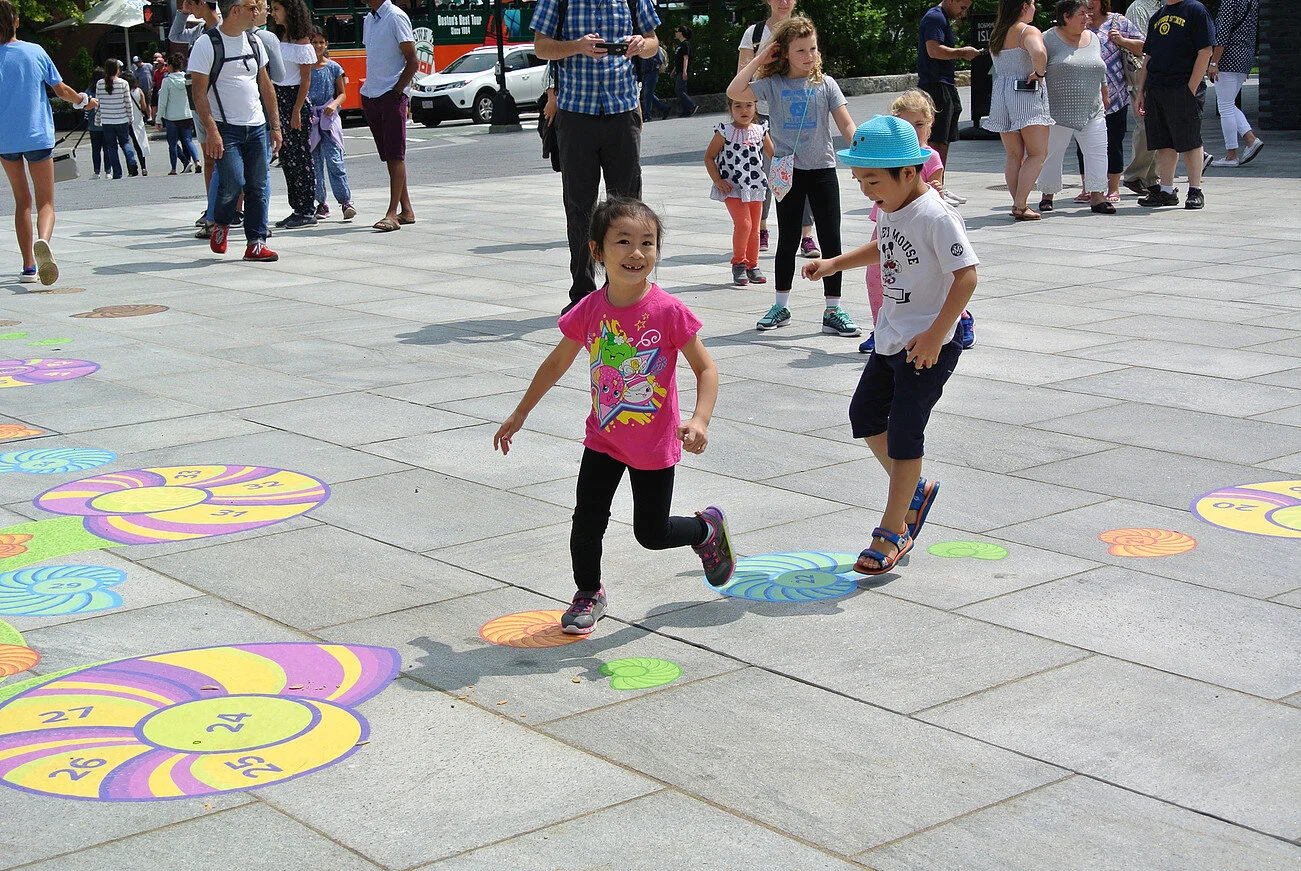
Playful Perspective Hopscotch, 2017, a collaborative work between Ponnapa and the Rose Kennedy Greenway; image courtesy of the artist

Playful Perspective Hopscotch, 2017, a collaborative work between Ponnapa and the Rose Kennedy Greenway; image courtesy of the artist

Site is an important part of my work. For painting, I use found materials from the place that I paint, such as soil, plant materials, groundwater, and rust. I use the performative acts of searching, studying, and collecting painting materials to create connections with new places. The textures and colors from these materials also express the feelings and atmosphere of the place for the viewers to experience. For landscape architecture, existing geographical conditions of the site are as important as local materials and cultures.

Which artists or artworks inspire you?

There are a lot!! During summer in 2011, was a studio assistant for Ellen Driscoll, who was then the head of sculpture department at the Rhode Island School of Design. I really admire her work and work ethic, and Ellen was a wonderful mentor. It was a great learning experience working with Ellen and three other studio assistants; Dianne Hebbert, Rose Heydt, and Megan McLaughlin. This experience made me interested in public art and still has a strong impact on my thinking until now. I also admire Yayoi Kusama for her strong belief in what she was doing and how she created opportunities for herself. I really like Gerhard Richter’s work, the blurriness that creates a subtle movement in the paintings, and inspired by Roberto Burle Marx’s work on how he uses painting to inform his landscape architecture design.

What is one piece of advice that you want to share with an aspiring artist?

I actually consider myself an aspiring artist too, so I am not sure if I can provide any advice. However, I can share my personal philosophy which is: keep doing it, be true to what you believe in, and believe in yourself. That is what Ralph Waldo Emerson told Henry David Thoreau when Thoreau said he would like to be a writer: “Trust yourself.”


Community

When and why did you decide to highlight the Chinatown community in your art? How do you think art can play an important role in community organizing or activism?

Growing up with a strong connection to Chinatown in Bangkok, I always find Chinatown in any city an interesting place to visit and learn about urban anthropology. My aunt has a fabric store in Bangkok’s Chinatown and my mother used to live there for a while. She always brought me to Chinatown instead of malls when we needed to buy things, so I know the place inside out. I was fascinated by the diverse programs this space can accommodate from being a cultural icon for tourism, a center for social and religious gatherings, to a wholesale business center to import and export specific products. To me, there is a lot to observe and learn from. Therefore, when I travel, one of the places on my to-go list will always be the Chinatown neighborhood. 
Chinatown in Boston has a unique condition that interests me. With its role as a tourist destination and the fact that the area overlaps with a regional public open space (the Rose Kennedy Greenway), this reinforces public perception of Chinatown as a city’s public open space. This condition together with local cultural difference creates a little tension between outsiders feeling unwelcome and longtime residents having concerns regarding their privacy and safety. Then there is gentrification that’s impacting the community.
I have been participating in the Rose Kennedy Greenway’s Play Ambassador program at Chin Park in Chinatown since 2017, and did some collaborative design for hopscotch games on the Greenway. I think there are rooms to introduce more public art in Chinatown area. The best thing about art is that it is very broad with a vague boundary which allows space for personal interpretation and imagination. This creates a grey area where you can touch upon the issues that are sometimes forbidden or uncomfortable to talk about. Although art cannot solve the problems altogether, it raises awareness for the general public to pay attention and gain a better understanding of the issues, which can ultimately, hopefully lead to changes.

How do you want your work to impact the community?

For this project, I wanted to empower local community and make them realize that their collective actions can create changes in their community. I would like the residents to feel that they can also take action and make their viewpoints and visions known through the realm of public/private space. Art can give individuals a feeling of agency, particularly when it is created by and for the residents, or at least with their specific concerns in mind. I hope to see a ripple effect emerging from young generations and see they do the same things (or even bigger) that I did for their community. It is like you planted a seed and wait patiently to see that one day it will be a forest. 

Ponnapa’s Residence Lab installation, “Sampan”, mock up in Chin Park, working with Chinatown residents Warren, Henry (not pictured) and local children to test the layout. In Thai, sampan means a connection. Photo courtesy of the artist.

What was your favorite art project? Why?

I like all projects that I have done. However, this project for Residence Lab was very special to me as we had a lot of community engagement in the design and making process. I believe in the impact of the process as much as the final product and to be able to work on both in one project is ideal. I learned so much working with everyone; my teammates, participating artists and residents, ACDC and BCNC staff, the Chinatown community, my Sasaki Colleagues, and Sasaki Fabrication Studio. Although I am the leading artist, there are tremendous amount of input on both ideas and physical support from so many people who offered to help because they believe in community-based projects. One example is when I had a software technical issue with missing Braille fonts for some contractions in my laptop. Our translator, Amber Pearcy, was on her study abroad program so I did not want to trouble her during her traveling, but we also really needed to laser cut the Braille dots on the plywood within 2 days. I googled online for a translator and emailed Paul Hostovski whose name was the first result that came up. It was the weirdest email to me. However, Paul responded promptly with a clarification of all the missing contractions and really saved our tight working schedule. There are so many moments like this throughout the project that I felt so grateful for. I feel that it really takes the whole community (and its extended community) to have made this community project possible!

...we had a lot of community engagement in the design and making process. I believe in the impact of the process as much as the final product and to be able to work on both in one project is ideal.

A Chinatown resident tests out one of Ponnapa’s pieces for Sampan installation; photo courtesy of the artist

Why did you decide to be a part of ACDC’s residence lab?

Last summer I was inspired by the existing Chinese chess board paving pattern in front of the Chinatown gate and wanted to propose an oversize Chinese chess pieces for local people to play with tourists. However, the location is part of a fire lane so we cannot place anything there. Therefore, when ACDC contacted me about public art in Chinatown, I said yes right away. It started with this simple idea, then, when I realized how important this project is to the community and my working goal changed.

Chinatown residents, Warren (left) and Henry (right) were one of 8 Residence Lab residents who were part of the inaugural cohort. Here they stand proudly by a freshly painted component of Sampan in Chinatown; photo courtesy of the artist

Henry and Warren painting parts for the Sampan benches at Sasaki; photo courtesy of the artist

Residence Lab cohort of artists and Chinatown residents

How has the generation you are in impacted your lived experience as an artist?

I feel extremely lucky to be born in this generation where female and artists of color are more recognized than in the past. This really offers me opportunities to use my insights as a female artist of color to express a voice and create work to accommodate existing underserved communities. 

What are your future aspirations as an artist? How would you like for your artwork to grow?

I would like to make my work more interdisciplinary, inclusive, and accessible. I started to explore the idea with this project on small details such as including all generations in the interviews (both children and seniors), adding Chinese and Braille translation, and add a “Queen” piece into Chinese chess  so that players can choose a female representation, instead of simply using two Kings. Another intention is to incorporate sound with my visual work. I actually put some objects found in Chinatown inside the benches so that they would make sound when they rock. Although the implementation is not quite successful yet, I will continue to explore this idea in future projects.

Community members at the Residence Lab exhibition in Chinatown, which unveiled Ponnapa’s Sampan installation along with the other artist and resident teams’ pieces; photo by Katytarika Bartel

What is your favorite art medium and why?

Currently, my favorite painting medium is rust. It is so unpredictable how it reacts to the weather and environment. When I do a rust print using metals, even if I somehow know approximately that it might turn out a certain way, it often gives me a surprising pattern to work on. I found this process similar to landscape architecture that you have a given site with unique existing conditions to work in it is not a white paper. Like what Michelangelo said “Every block of stone has a statue inside it and it is the task of the sculptor to discover it.” Similarly, with paintings and landscape sites - especially community projects - the designer needs to coax out what the community actually needs or wants to say from within the urban fabric.

What is your inspiration behind your art? What drives your art?  Where do you imagine your art to take you in the future?

As I am also a practicing landscape architect, natural and cultural landscapes together with their relationships with people are always interesting and never fail to inspire me. I am always looking for inspiring landscapes to work on. Therefore, I imagine myself travelling to places with unique natural landscape that shapes the lifestyle of the community in the area. This will also help me reflect back and understand our lives in the city. I just finished my artist in residence at the C-Scape dune shack in Provincetown and will be at Atacama Desert this October. Please visit my kickstarter page to see my latest project! https://www.kickstarter.com/projects/ponnapa/beyond-the-planet-earth

Thank you, Ponnapa, for being part of Residence Lab and for sharing your story!